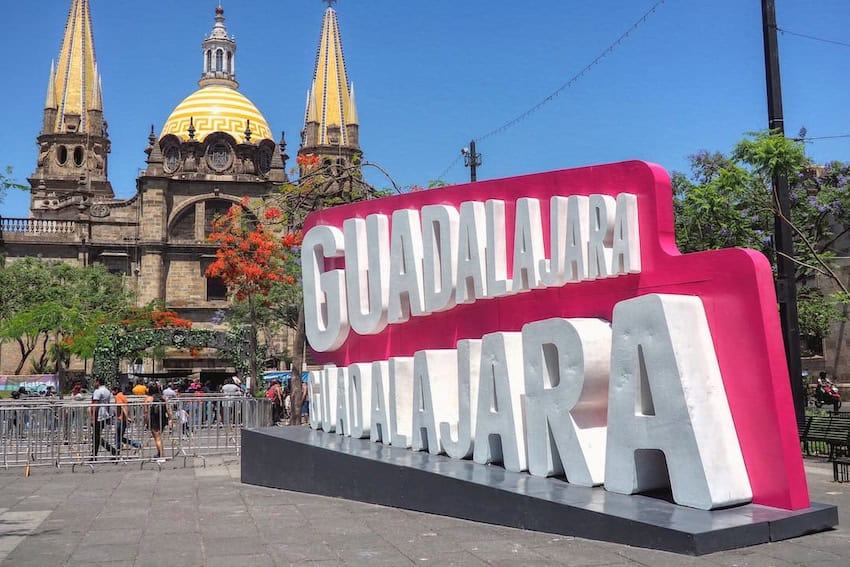
At Mexico News Daily, our mission has always been to deliver quality journalism that reflects the diverse stories, voices, and experiences across Mexico. As the country’s second-largest metropolitan area and a vital economic and cultural hub, Guadalajara deserves dedicated attention that goes beyond occasional headlines.
Today, we’re excited to announce the launch of regular, in-depth coverage of the Guadalajara region. This expansion represents our commitment to bringing you closer to the communities, innovations, and challenges that shape life in Jalisco’s capital and surrounding areas.
Our new Guadalajara section will feature comprehensive reporting on local government, business developments, cultural events, and the issues that matter most to residents. From the historic streets of Tlaquepaque to the tech corridors of Zapopan, we’ll explore the stories that define this dynamic region.
Quality local journalism matters now more than ever. By investing in dedicated Guadalajara coverage, we’re ensuring that readers — whether they’re local residents, expats, visitors, or those considering a move to the region — have access to reliable, nuanced reporting that captures the full picture of life in Mexico’s Pearl of the West.
2026 begins with critical repairs to Guadalajara’s water systems
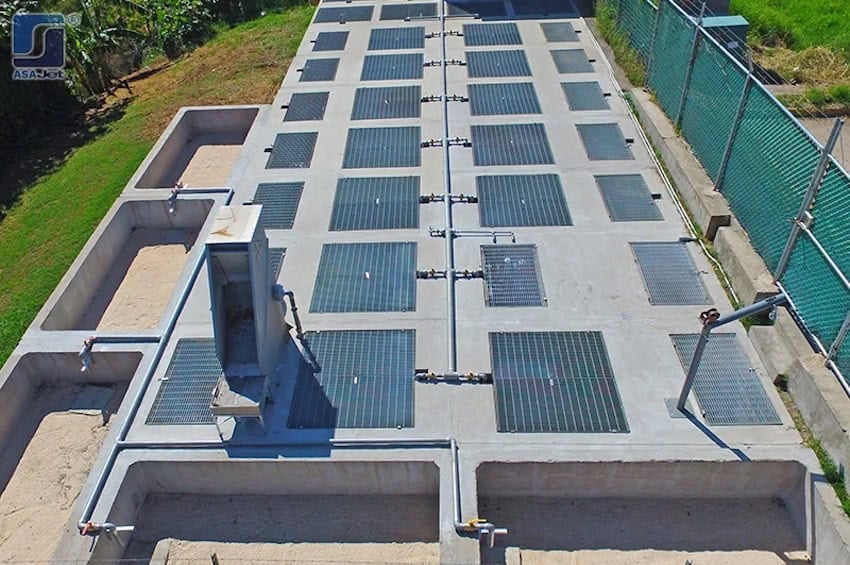
Earlier this month, 892 neighborhoods across the Guadalajara metro area experienced disruptions to their water service as the public utility SIAPA addressed critical infrastructure issues.
The affected areas included Tonalá (375 neighborhoods), Tlaquepaque (247 neighborhoods), Guadalajara (205 neighborhoods), and Zapopan (65 neighborhoods), spanning more than 2 million residents and 800,000 customer accounts. These areas are primarily supplied by the Miravalle and Las Huertas water treatment plants.
With a budget of 38.4 million pesos ($2.1 million USD), SIAPA stated that the work was urgently needed to prevent major failures, reduce the risk of system collapse, and ensure the safe operation of the metropolitan area’s main water system.

Among the most critical system components addressed was the electrical substation at the Chapala Pumping Plant, a facility that has been in service for 34 years without meaningful improvements. This substation supplies power to the pumping and control equipment that transports water from Guadalajara’s main water source.
In addition to improvements to the Chapala substation, SIAPA’s work this month involved replacing power circuit breakers, Federal Electricity Commission (CFE) meters, hardware, surge arresters, and disconnect switches, as well as installing new control panels and reprogramming electromechanical equipment. The ultimate goal is to improve the quality and reliability of water service across the Guadalajara Metropolitan Area.
While the work was underway, residents of the affected neighborhoods experienced low water pressure or a complete cutoff. To mitigate the inconvenience, local officials mounted a special operation to distribute drinking water to affected residents via hundreds of water trucks and stationary tanks around the city.
As of January 6, SIAPA reported that water services had been fully restored to its customers. Moreover, this month’s intervention eliminates the need for additional maintenance to the system in 2026, traditionally completed over the Semana Santa week.
Guadalajara Airport adds 4 new international routes

As the city prepares to welcome millions of visitors for the 2026 FIFA World Cup, expanded international service is being added at Guadalajara airport to support the anticipated increase in demand. New flights launching in recent weeks connect Guadalajara with Calgary (WestJet), Montreal (Air Transat), Toronto (Air Canada), and Bogotá, Colombia (Volaris). These new routes are expected to support continued passenger growth at Guadalajara’s international airport in 2026.
WestJet’s non-stop flights between Calgary (YYC) and Guadalajara are offered twice weekly, on Tuesdays & Sundays. This service was originally conceived as a seasonal winter route, but was recently extended to year-round service.
Air Transat offers nonstop flights from Montreal (YUL) to Guadalajara (GDL), twice weekly on Thursdays and Saturdays. This service is expected to run through mid-year in 2026.
The two new Canadian routes come on top of two other international destinations added late last year. In November 2025, Air Canada began offering nonstop service between Toronto and Guadalajara three times a week, and Volaris began nonstop service between Guadalajara and Bogota, Colombia twice weekly.
According to Michelle Fridman Hirsch, Jalisco’s Secretary of Tourism, the state is also in talks with several European carriers about potential new destinations. This is exciting news for Guadalajara’s five million residents, who would no doubt embrace more connectivity to Europe, building on Aeroméxico’s successful introduction of a Guadalajara to Madrid route in 2021.
Air pollution reached record levels in 2025
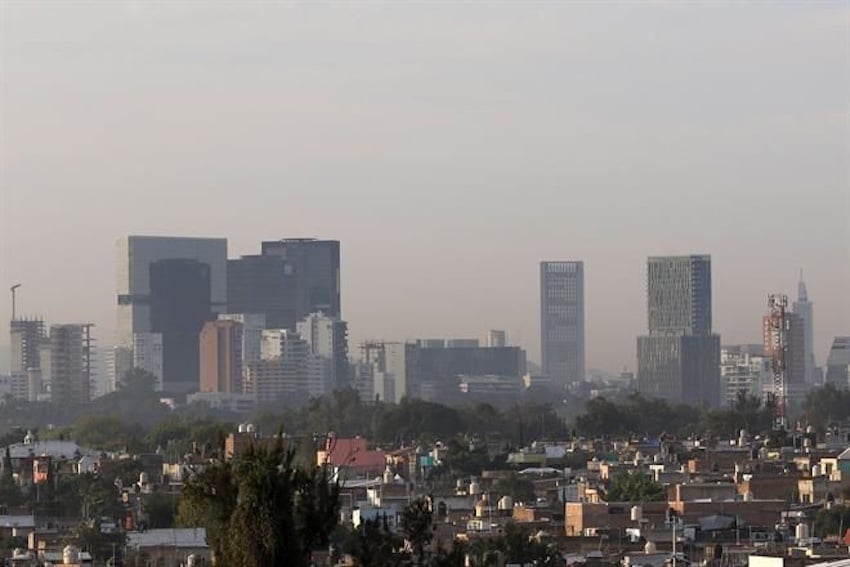
Air quality in the Guadalajara Metropolitan Area set a dubious record in 2025, with a dramatic increase in days with unhealthy air compared to 2024.
According to the official report “Air Quality Statistics 2025,” issued by the Ministry of Environment and Territorial Development (Semadet), Guadalajara’s metro area saw 239 days with poor air quality in 2025. The rate was nearly five times higher than in 2024, when the city experienced 68 days with air pollution exceeding recommended safety levels.
As in prior years, Guadalajara’s worst air pollution in 2025 was recorded on the south side. Guadalajara’s southern neighborhoods see higher industrial emissions, alongside epic traffic congestion and less tree cover than other parts of town. On top of those man-made contributors, the south side’s lower elevation, combined with thermal inversions, exacerbates pollution levels in winter.
The most dangerous pollutants afflicting Guadalajara are PM10 and PM2.5 particles. These terms refer to the types of particulate matter (PM) in the air, based on their size. PM10 particles are small enough to enter human lungs, whereas PM2.5 particles are so small that they can pass into the bloodstream.
Despite multiple initiatives by the state government to improve the city’s air quality, results in 2025 suggest the need to find new and better ways to improve air quality, to fulfill Jalisco’s public health and environmental sustainability goals.
Public transportation set to rise 27%
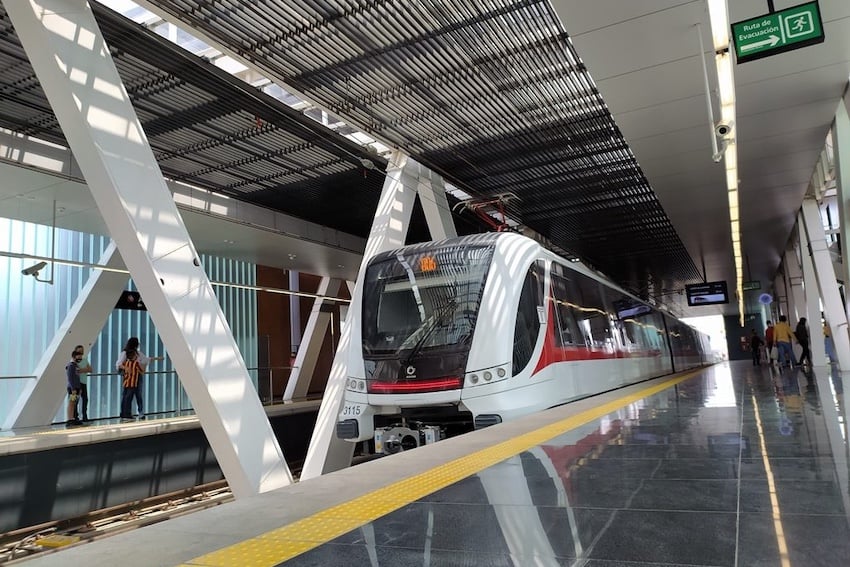
The general fare charged for the city’s public transportation is increasing from 11 pesos to 14 pesos in 2026. The new fare, which will take effect in April 2026, affects passengers on all modes of public transport, including buses and light rail.
As part of the deal, service providers committed to a fare freeze from 2026 to 2030, meaning that no additional price hikes will occur until after 2030. Public transportation authorities have also committed to numerous improvements, including increasing the frequency of routes, hiring more staff, putting more focus on safety, and increasing operator pay to improve quality.
For senior citizens, teachers, people with disabilities, and heads of household, a 50% fare reduction is available, while Mexican citizens with the “La Única” card will be eligible for a subsidy, paying only 11 pesos. Additionally, following a successful negotiation with student activists, students with a valid ID will be eligible to ride public transit for 5 pesos.
Despite the concessions to vulnerable groups, many Guadalajara residents remain displeased with the fare hike. A public march on January 13th attracted an estimated 500 people, with one participant stating flatly, “The quality of transport is not worth the increase.”
After discovering that life in Mexico was a lot more fun than working in corporate America, Dawn Stoner moved to Guadalajara in 2022, where she lives with her husband, two cats and Tapatío rescue dog. Her blog livewellmexico.com helps expats live their best life south of the border.