Morena lawmaker wants to prohibit Airbnb in Mexico City

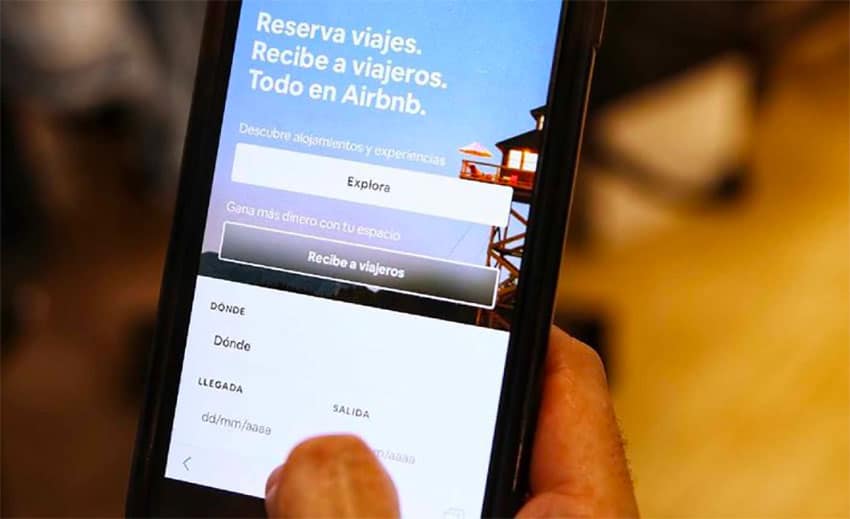
Morena legislator Leticia Estrada Hernández has proposed a law that would ban lodging apps such as Airbnb in Mexico City. 

The bill was put forward on July 15 in an effort to reform zoning laws in the capital, despite the fact that such hosting platforms are a viable alternative to hotels for travelers due to the coronavirus pandemic. 

The proposed amendment to zoning law article 17 states that all private residential property be prohibited from carrying out “industrial, commercial or service activities, and for no reason may they be intended for temporary accommodation, as offered by the Airbnb platform and other similar platforms.” 

The proposal also includes other types of prohibitions, such as carrying out activities that affect the tranquility of condominium owners, such as nighttime construction and maintenance without prior approval.

The bill proposes that those who violate its terms could be subjected to fines between 4,344 and 26,064 pesos (US $195 to US $1,667).

In addition, the bill proposes that a vigilance committee be formed to make sure neighbors are complying with regulations. 

Estrada said the proposal came from the desire to protect property owners and cited unknown individuals entering buildings and others who are “constantly having parties.”

The president of Mexico City’s congressional tourism commission, Patricia Báez Guerrero of the National Action Party (PAN), came out against Estrada’s proposal, saying it would destroy all the work that has been done by the Ministry of Tourism to regulate digital lodging.

Báez also pointed out the importance of Airbnb in Mexico City. With about 17,229 rooms for rent, between houses and apartments, the service generates around 4.34 million pesos per year in tax revenue, about US $194,000.

Homeowners in Mexico City who rent out their properties on Airbnb and other apps earn an average of 38,000 pesos a year, she said.

“These deputies [from Morena] want to end everything that generates some money for the capital. Especially now that so much is needed with this contingency,” Báez said. 

Source: Infobae (sp), El Universal (sp), Expansión Política (sp)

Have something to say? Paid Subscribers get all access to make & read comments.
Manzanillo, Colima, México, 13 de marzo de 2026. La doctora Claudia Sheinbaum Pardo, presidenta Constitucional de los Estados Unidos Mexicanos en conferencia de prensa matutina, “Conferencia del Pueblo” desde Colima. La acompañan Indira Vizcaíno Silva, gobernadora Constitucional del Estado de Colima; Omar García Harfuch, secretario de Seguridad y Protección Ciudadana (SSPC); Raymundo Pedro Morales Ángeles, secretario de Marina (Semar); Bulmaro Juárez Pérez, divulgador de lenguas originarias, presentador de la sección “Suave Patria”; Ricardo Trevilla Trejo, secretario de la Defensa Nacional (Sedena); Jesús Antonio Esteva Medina, secretario de Infraestructura, Comunicaciones y Transportes; Bryant Alejandro García Ramírez, fiscal general del Estado de Colima; Fabián Ricardo Gómez Calcáneo; Rocío Bárcena Molina, subsecretaria de Desarrollo Democrático, Participación Social y Asuntos Religiosos de la Secretaría de Gobernación; Efraín Morales López, director general de la Comisión Nacional del Agua (Conagua); Marcela Figueroa Franco, secretaria ejecutiva del Sistema Nacional de Seguridad Pública (SESNSP) y Guillermo Briseño Lobera, comandante de la Guardia Nacional (GN). Foto: Saúl López / Presidencia

Mexico’s week in review: Congress deals Sheinbaum her first legislative defeat

1
The week of March 9 in Mexico was marked by standoffs between allies in Congress and adversaries at the airport. Here's what you missed.
A soldier displays seized handguns

The US and Mexico, growing together and growing apart: A perspective from our CEO

1
From a historic drop in homicides to opposite bets on electric vehicles, Mexico News Daily's CEO breaks down where the U.S. and Mexico are converging — and where they're not.
Veracruz Gov.

Veracruz governor blames private vessel for 200-kilometer Gulf Coast oil spill

1
The spill, which has spread to over 200 kilometers of Mexico's Gulf Coast beaches, has been traced to a private oil tanker off the coast of Tabasco.
BETA Version - Powered by Perplexity