Mushrooms aren’t just mushrooms in the High Mixteca region of Oaxaca.
Not only are wild mushrooms that pop up every rainy season in the forests in the state’s northwest a highly valued food source, some are also prized for their medicinal qualities and are used in sacred rituals.
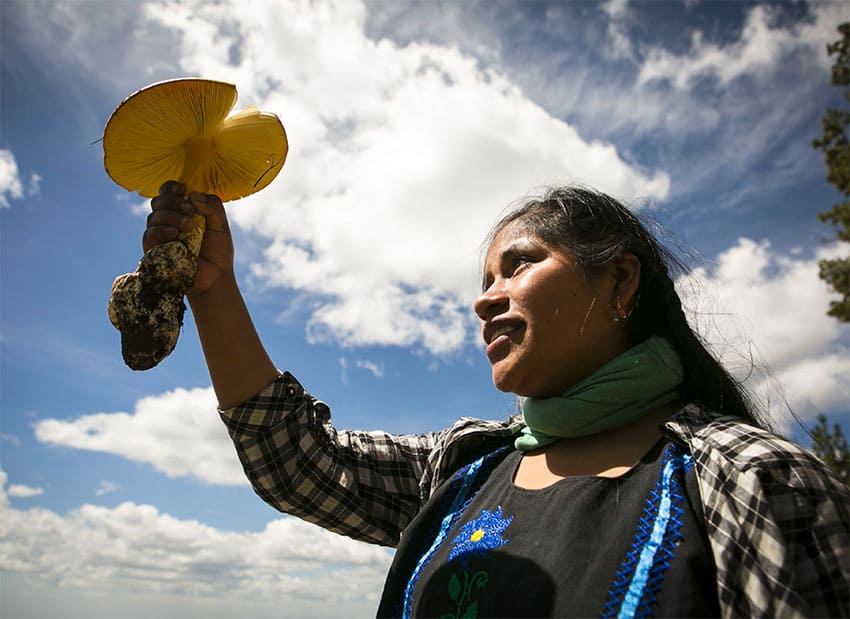
One person who has dedicated a quarter of her short life to promoting knowledge and understanding of Mixteca region mushrooms is 20-year-old Belén Bautista Quitoz.
Since the age of 15, Bautista, a Ñuu Saavi Mixtec woman, has spent time learning about the mushrooms that grow around her home town of San Esteban Atatlahuca and encouraging and helping others do the same.
Some 250 different species of mushrooms, including poisonous ones, grow in the High Mixteca, ranging from tiny specimens to true giants. Some have curious colloquial names such as the hongo de aguacate, or avocado mushroom, and the yema de huevo, or egg yolk, so named due to its golden yellow color.
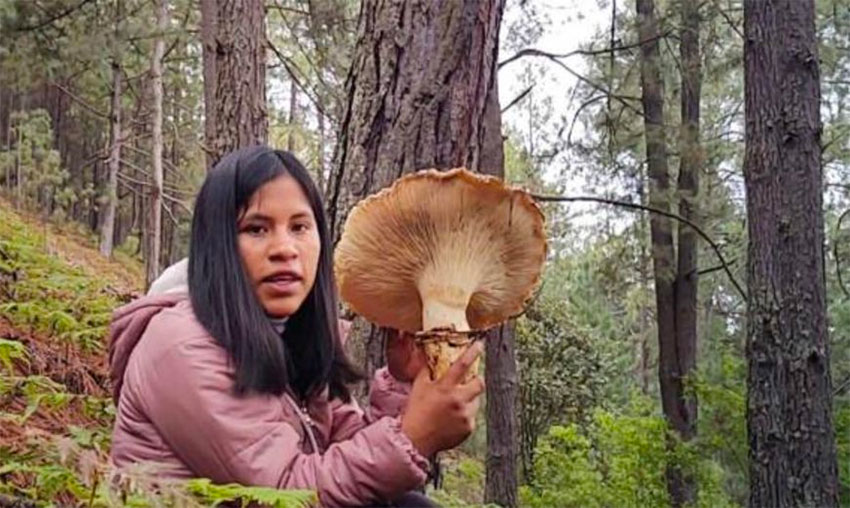
After three years organizing an annual wild mushroom fair in Atatlahuca, in 2019 Bautista came up with a new idea to promote and educate people about the region’s myriad fungi and thus turned her focus to the creation of a Mixteca “mushroom route.”
It quickly became a reality.

“A year ago [we created] our first route,” Bautista told the newspaper El Universal, explaining that it ran through several towns, where visitors could purchase wild mushrooms and learn more about them.
The plan for 2020 was to extend the route to more municipalities in the region but the coronavirus pandemic changed that, she explained.
Many municipalities shut themselves off to outsiders so Bautista decided to continuing working close to home, organizing mushroom-themed events in and around Atatlahuca for other fungus aficionados and helping local mushroom vendors promote their product.
“It’s been very nice. We created a [new mushroom] route but it was much more local. … We know that people want to come [to travel the route] but that’s complicated” at the moment due to the pandemic, she said.
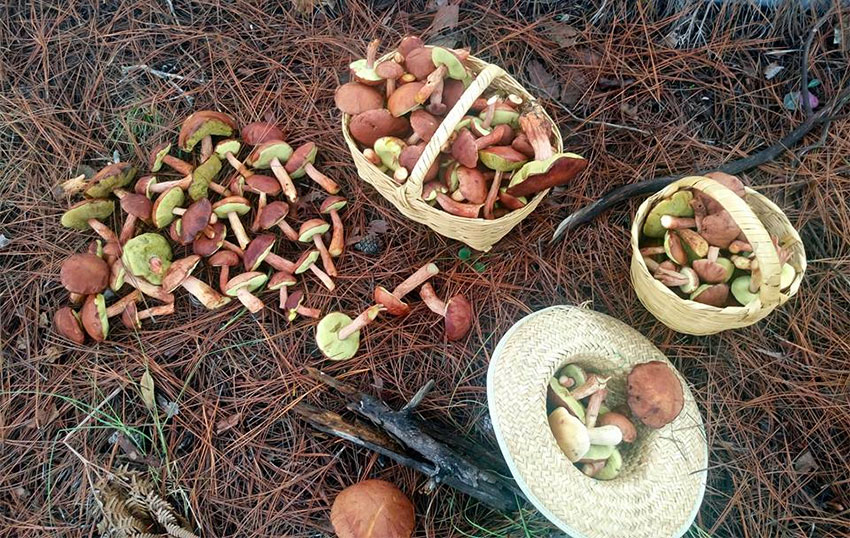
Bautista said creation of the route and the mushroom-themed events and activities she has organized have made people more aware of the need to preserve the local forests where the fungi grow. She also said that young people have become more interested in conserving the ancestral knowledge of the Mixtec people after learning about the different uses of wild mushrooms.
The pandemic might have stopped the expansion of the Mixteca mushroom route this year but it couldn’t stop the unique fungi of the high Mixteca emerging from beneath the Earth when the rains began in June. And it couldn’t stop Bautista’s passion for the wild mushrooms endemic to the region nor her enthusiasm for sharing her knowledge with others.
Look out for a bigger and better Mixteca mushroom route in 2021.
Source: El Universal (sp)