Nayarit is easily the largest tobacco-producing state in Mexico, accounting for 84% of national production, but there is significant potential to grow more.
Tobacco is cultivated on 7,000 hectares of land in the Pacific coast state, a figure that represents less than one-fifth of Nayarit’s estimated capacity of 40,000 hectares.
With that in mind, Governor Antonio Echevarría García appealed yesterday to multinational company British American Tobacco (BAT) – which controls 55% of tobacco production in the state – to increase its investment.
“. . . We want more investment because we want the people of Nayarit to have more money in their pockets. I offer you open arms to continue investing in Nayarit,” Echevarría said at a BAT event.
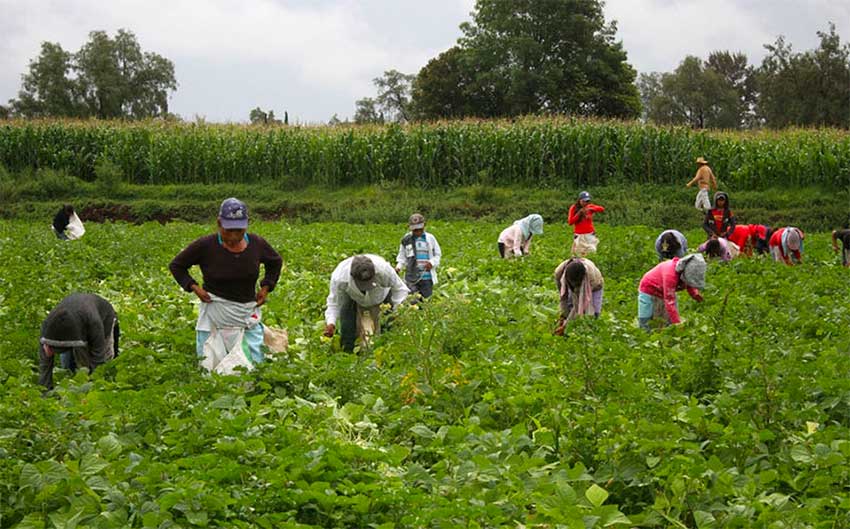
There are 3,426 tobacco farmers in Nayarit and the harvest season creates 15,000 jobs for jornaleros, or day laborers. The sector generates an annual economic spillover in the state of 950 million pesos (US $49.4 million).
However, Echevarría said that the economic benefits of tobacco cultivation in Nayarit used to be much greater.
“The tobacco industry is an economic activity that was once three or four times greater than what we currently know,” he said, adding that only “traces” of the boom years remain.

Miguel Ángel Navarro, federal senator for the Morena party and president of the upper house’s health committee, said that on the request of Echevarría, he will lobby the government to ensure that legislative changes don’t hurt companies such as British American Tobacco.
He said that higher taxes on cigarettes hadn’t created any health improvements among Mexicans but they had hurt the tobacco sector and caused jobs to be lost in Nayarit.
“I don’t know what is more painful, dying from an illness related to tobacco or dying from hunger . . . I don’t like the idea of tobacco coming from other countries when Nayarit has been a source of extremely high-quality tobacco . . .” Navarro said.
Gastón Zambrano, BAT’s director of legal and corporate affairs in Mexico, said that 70% of the price consumers pays for a pack of cigarettes is made up of taxes but instead of persuading people to stop smoking, they drive many smokers to purchase illegally imported tobacco products from countries such as China, Vietnam and India.
Brands from those countries not only pose greater health risks to smokers but their purchase causes the government to lose billions of pesos in tax revenue, he added.
Zambrano said that BAT will continue to stress to authorities that the current taxes on tobacco products are “more than enough” to send a message that smoking is harmful to health.
He explained that the company plans to continue to increase production in Mexico, pointing out that production in Nayarit has doubled over the past five years.
Chiapas and Veracruz are the only other states in Mexico that produce tobacco, accounting for 9% and 7% of national production respectively.
Source: Milenio (sp)