A National Autonomous University (UNAM) epidemiologist has raised doubts about Deputy Health Minister Hugo López-Gatell’s assertion that Mexico’s coronavirus curve is flattening.
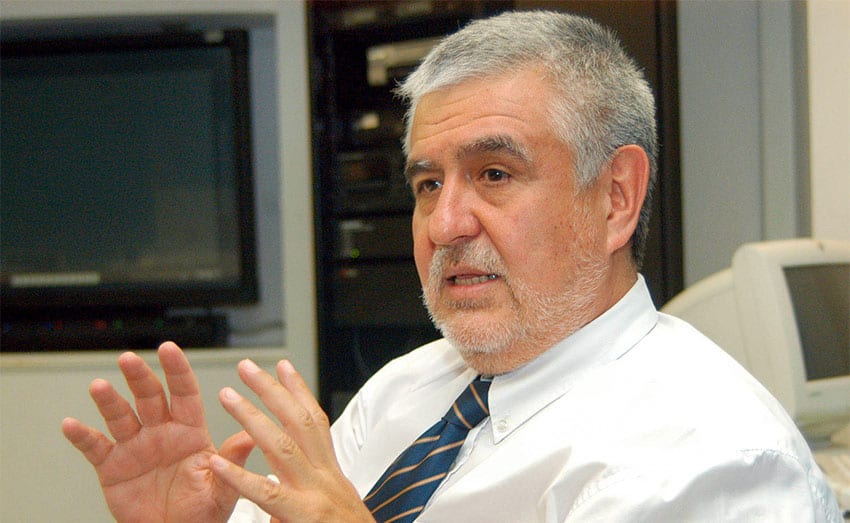
Malaquías López Cervantes, spokesman for the UNAM Covid-19 Commission, said that without all the information from the government’s sentinel surveillance system – in which data about confirmed and possible coronavirus cases is being collected at 375 different health care facilities and extrapolated to estimate the total number of cases in Mexico – there is no certainty that the curve has flattened.
The Health Ministry last month presented estimates based on the sentinel system that indicated that there were about eight undetected Covid-19 cases for each confirmed one. However, it has not presented a new sentinel system estimate for almost three weeks.
López also said that it doesn’t make sense to say that the number of Covid-19 infections reported daily is remaining stable or going down when the peak transmission period has not yet occurred, according to Health Ministry predictions.
“They said that we would reach the peak on May 6 [now updated to May 8]; supposing that is true, how can we say that the curve has already flattened … if we haven’t yet reached the peak?” he said.
The UNAM epidemiologist charged that health authorities have concluded “hastily” that the measures put in place to limit the spread of coronavirus have been successful. However, López said that the number of cases still being detected despite low testing rates – 1,120 on Tuesday – suggest that the measures have not been as successful as they think.
He also said that health officials should be basing their commentary on the curve and predictions about the pandemic on sentinel system case numbers rather than those for confirmed cases.

Based on the government’s previous sentinel system estimates, the real number of Covid-19 cases in Mexico since the beginning of the pandemic would now be more than 230,000, a figure much higher than the 26,025 reported on Tuesday.
López said that it is regrettable that the Health Ministry has only offered sentinel system numbers on a few occasions, claiming that it is also withholding other information about the pandemic in Mexico.
The UNAM academic also took aim at the government for not purchasing ventilators well before the peak of the pandemic. (One shipment arrived from the United States on Tuesday and more are due to arrive later this month.)
“I think it’s wrong to wait until people are getting sick to start the purchasing processes. I believe that they could have started all the purchasing processes in advance,” López said.
Source: La Silla Rota (sp)