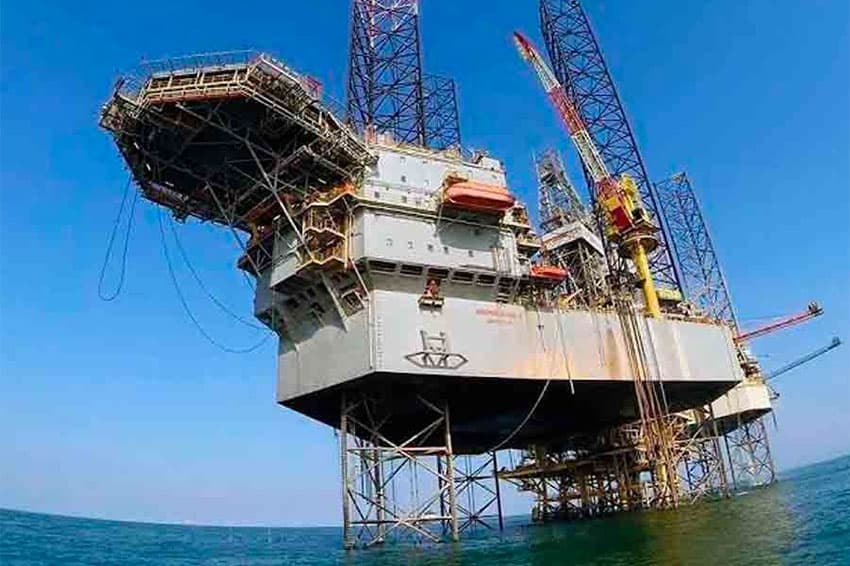
Pirate attacks in the southern part of the Gulf of Mexico have increased fourfold in just two years, triggering calls for the navy to bolster its presence in the area.
Between January and September, there was an average of 16 attacks per month on cargo ships off the coast of Ciudad del Carmen, Campeche, and Dos Bocas, Tabasco, according to the International Transport Workers’ Federation (ITF).
In 2017, there was an average of four pirate attacks per month while last year the monthly average increased to 12.
Merchant marine data shows that there were 167 attacks on ships and oil platforms in the Gulf of Mexico between January and September but not a single arrest was reported in the period.
Pirates typically steal whatever they can get their hands on including the belongings of crew members as well as ships’ communication and navigation systems, which are later sold on the black market.
The increase in pirate attacks poses a risk to energy sector investments, warned the Ciudad del Carmen president of the Business Coordinating Council.
“This could cause future foreign investments in the energy sector to be canceled because entrepreneurs look for peaceful areas where their resources are protected . . .” Alejandro Fuentes Alvarado said.

ITF Latin America inspector Enrique Lozano Díaz told the newspaper Reforma that pirates have also attacked Pemex oil platforms in the Cantarell field, located 85 kilometers off the coast of Ciudad del Carmen.
“Pirates travel in two or more boats with powerful outboard motors,” he said.
“[There are] up to seven individuals in each boat,” Lozano added, explaining that the pirates make specific plans for each ship or oil platform they intend to attack.
Most recently, pirates attacked an Italian ship that provides services to oil drilling platforms in the Gulf of Mexico.
Two crew members were injured in the November 12 attack, which came eight days after a group of armed pirates robbed workers on the Independencia oil platform in the Gulf of Mexico. The attack triggered an international alert for the region, Lozano said.
“In addition to weapons, pirates use hooks to climb onto ships and platforms. They always operate in the early morning, they know that crew members don’t use firearms due to international regulations so they board with complete safety,” he said.
“The criminals steal . . . self-contained breathing apparatuses and expensive equipment as well as copper and pipes . . .”
In light of the increasing number of attacks, Ciudad del Carmen business owners have urged the navy to increase patrols in the southern part of the Gulf of Mexico.
The merchant marine has submitted a report about piracy in the Gulf of Mexico to both houses of Congress and is also calling for the navy to send more ships to deter and respond to criminal activity at sea.
Source: Reforma (sp)