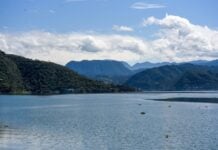
The beaches in the city of Veracruz have turned a turquoise blue normally seen on Mexico’s Caribbean coast in the absence of human activity due to the government’s efforts to mitigate the spread of Covid-19.
Photos of the sparkling waters and glittering beaches — normally murky and litter-strewn — went viral on social media this week. The Veracruz municipal government even boasted of the phenomenon on its Twitter account.
“This is how the beaches of Veracruz look thanks to the low number or total lack of people due to the crisis. What do you think?” it tweeted on Tuesday.
Well aware of the popularity of the city’s beaches during holidays, the municipal government blocked access and deployed officials to patrol the beaches to prevent people from gathering during the Easter Week vacation.
The city’s Villa del Mar and Martí beaches normally fill up with vacationers in April, but the photos of crystalline waters posted online show them all but empty.
The neighboring municipality of Boca del Río has also implemented measures to keep people off the beaches, sending navy and National Guard troops to break up any gatherings and persuade people to return to their homes.
Coastal communities across Mexico have seen impressive natural phenomena during the pandemic, as wildlife reclaims spaces previously left alone due to human activity.

Normally hiding out in the murky waters of the lagoon at Oaxaca’s La Ventanilla beach, crocodiles have been observed roaming the sands.
In Acapulco, Guerrero, residents observed and documented on social media the illumination of the waves by bioluminescent phytoplankton.
Sources: El Financiero (sp), El Dictamen (sp)