Mexico’s capacity to return to a first tier aviation safety rating from the United States government could be hampered in the short term by deficiencies at 19 airports operated by a state-owned company.
The United States’ Federal Aviation Administration downgraded Mexico’s safety rating from Category 1 to Category 2 in May after finding that it doesn’t meet standards set by the International Civil Aviation Organization, a specialized agency of the United Nations. The move prevents Mexican airlines from adding new flights to the United States.
Foreign Affairs Minister Marcelo Ebrard has pledged that Mexico will regain its Category 1 rating in the first half of next year but that could be complicated by the prevailing conditions at the airports operated by Airports and Auxiliary Services (ASA).
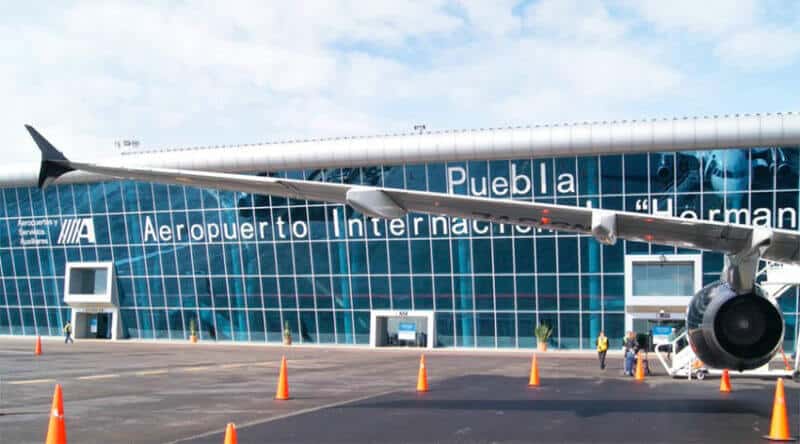
The newspaper El Universal obtained ASA documents via the National Transparency Platform that highlight a lack of safety equipment at its airports, which include Puebla, Campeche, Puerto Escondido, Colima, Matamoros and Nuevo Laredo.
They lack thermal imaging cameras, equipment to remove damaged aircraft, self-contained breathing apparatuses and binoculars, among other items, according to the ASA documents.
“No airport in the ASA network has any kind of equipment for the recovery of aircraft, designed to remove aircraft that have suffered structural damage and which obstruct the airport’s main routes,” ASA said.
“[That is] a great disadvantage for air terminals because they have to hire general use hydraulic equipment with the risk of causing more damage to said aircraft,” the company said, adding that delays in the arrival of such equipment can cause airports to close and generate massive economic losses.

The airports in Campeche, Ciudad Obregón, Ciudad Victoria, Colima, Guaymas, Ixtepec, Loreto, Matamoros, Nogales, Nuevo Laredo, Poza Rica, Puebla, Puerto Escondido, Tamuín and Uruapan have experienced “recurrent and dangerous failures” due to the obsolescence of their existing equipment and insufficient funds to purchase replacements, according to ASA.
The company has alerted authorities to the problems it faces and requested funding of 29.4 million pesos (US $1.5 million) to purchase the equipment it needs.
The funding, which could be included in the federal government’s 2022 budget, is needed to guarantee the safety and security of the airports, ASA said. To ensure the safety of operations, maintaining the different areas of an airport in perfect condition and free of obstructions caused by damaged and immobilized aircraft is essential, the company said.
It also said that the lack of self-contained breathing apparatuses, or damage to those in the possession of ASA airports, hinders the capacity to fight fires on airplanes.
With reports from El Universal