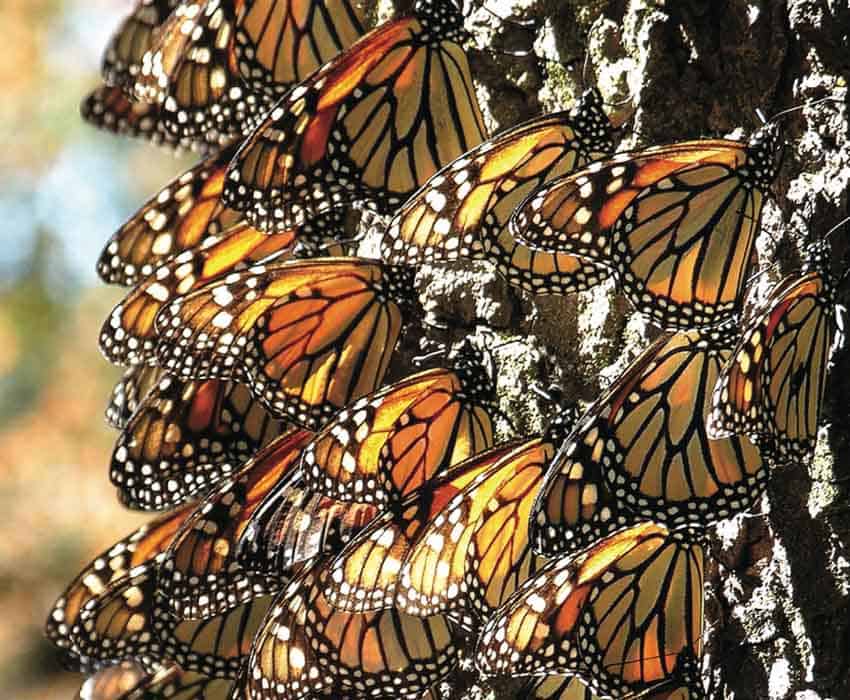
The population of the eastern monarch butterflies in Mexican forests doubled this past winter season compared to the area occupied last year, according to a survey conducted by World Wildlife (WWF) Mexico and the National Commission of Natural Protected Areas (Conanp), in collaboration with local communities.
The annual survey, dubbed “Forest Area Occupied by Monarch Butterflies Colonies in Mexico During the 2024-2025 Hibernation Season,” revealed that the occupied area went from 1.79 hectares, to 0.90 during the 2023-2024 period. Despite the late arrival of the butterfly — which arrived mid-November — scientists believe that improved weather conditions during the butterfly migration favored the population’s increase.
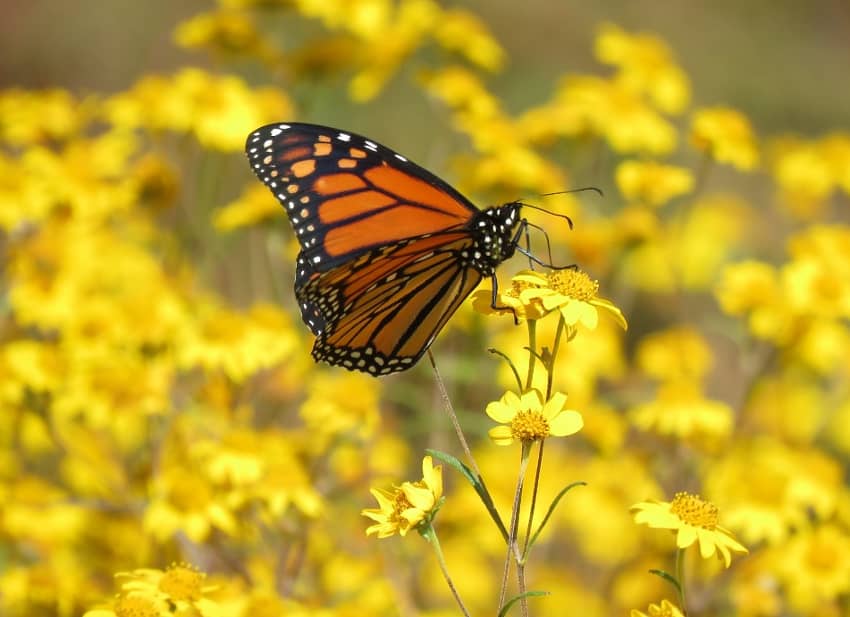
Local managers had already noted the surprising increase in butterflies, and the scientists’ report confirms their observations.
Still, WWF said that while monarchs occupied nearly double the forest habitat as last year, populations remain far beneath the long-term average.
Conanp chief Pedro Álvarez Icaza noted that they spotted eight monarch butterflies’ colonies: Three were located within the Monarch Butterfly Biosphere Reserve in Michoacán, covering 1.21 hectares, and five outside the reserve, covering 0.57 hectares in the state of Mexico.
The largest colony, measuring 0.99 hectares, was recorded in the El Rosario ejido, Michoacán, while the smallest colony, measuring 0.002 hectares, was located in San Andrés, in the Azufres sanctuary, in the same state. The colony in Atlautla, México state, was adjacent to Iztaccíhuatl Popocatépetl National Park (outside the reserve)and occupied 0.09 hectares.
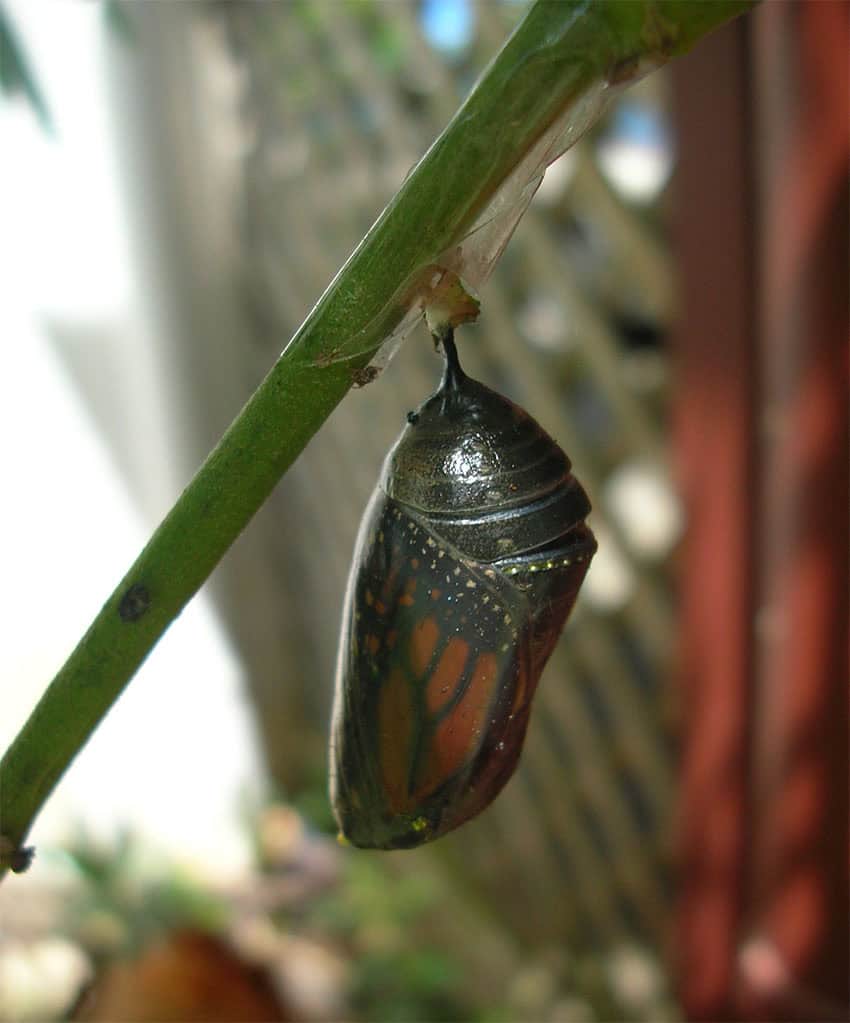
Michoacán is home to the world-famous Monarch Butterfly Biosphere Reserve, a UNESCO World Heritage Site that annually welcomes millions of butterflies that migrate from the northern United States and southern Canada to nest in Mexico’s pine and fir forests.

In the survey’s presentation, scientists highlighted the preservation effort “as an example of tripartite cooperation between Mexico, the United States, and Canada.”
Jorge Rickards, head of WWF Mexico, emphasized the role of local communities in the survey as they monitor the sanctuary to measure the butterflies’ population and ensure their preservation.
“We recognize the key role of local communities, as well as the support of the government of Mexico in conserving the forest and providing this iconic species with the opportunity to thrive,” Rickards said. “It’s now time to turn this year’s increase into a lasting trend with an all-hands approach where governments, landowners, conservationists, and citizens continue to safeguard critical habitats along the monarch’s North American migratory route.”
According to experts, climate change is gradually changing the ecosystems of Mexico’s forests, putting the monarch’s habitat under threat from increasingly severe temperature changes, droughts and pests.
A group of scientists and conservationists is working to move fir seedlings to higher and colder areas in the region to create new butterfly habitats. The team aims to establish healthy trees in these areas by 2060.
With reports from El País