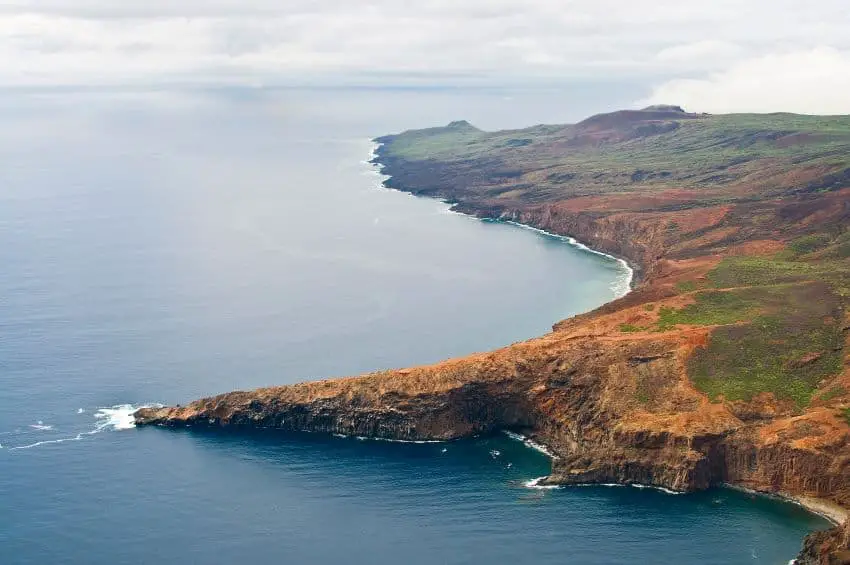
Mexico is renowned for its beautiful beaches, colorful towns, delicious food scene and rich cultural offerings. With these many attractions, it comes as no surprise that Mexico ranks seventh among countries with the most sites on the UNESCO World Heritage List, with 35 sites to its name. But did you know that out of these, six are natural sites?
From the diverse ecosystem of the Revillagigedo Archipelago to the lush Monarch Biosphere Reserve and the unspoiled mangroves of the Yucatán Peninsula, here’s the complete guide of Mexico’s natural sites on the UNESCO list to plan your next adventure.
Revillagigedo Archipelago
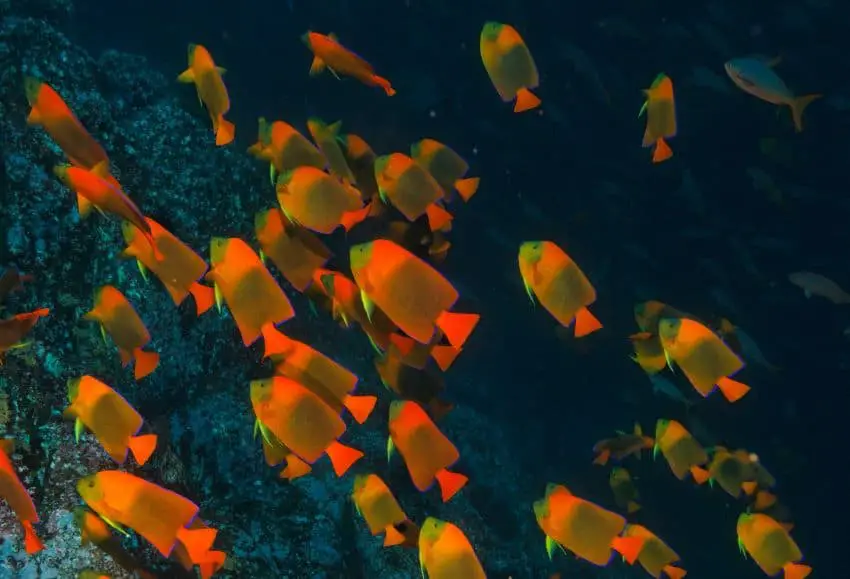
Named after Viceroy of New Spain Juan Vicente de Güemes, Count of Revillagigedo, the archipelago comprises four remote islands and their surrounding waters: San Benedicto, Socorro, Roca Partida and Clarión. It lies in the Pacific, some 400 km southwest of Cabo San Lucas at the southern tip of the Baja California Peninsula.
Both the land and seascape of the archipelago boast impressive active volcanoes, arches, cliffs and isolated rock outcrops emerging in the middle of the ocean. The archipelago is known for drawing large concentrations of marine life, including sharks, whales and dolphins. The main attractions are the area’s giant manta rays, which interact with divers in a friendly way that is rarely found anywhere else in the world.
How to get there: Diving cruises depart from Cabo San Lucas and typically last between six and nine days.
El Pinacate and Gran Desierto de Altar Biosphere Reserve
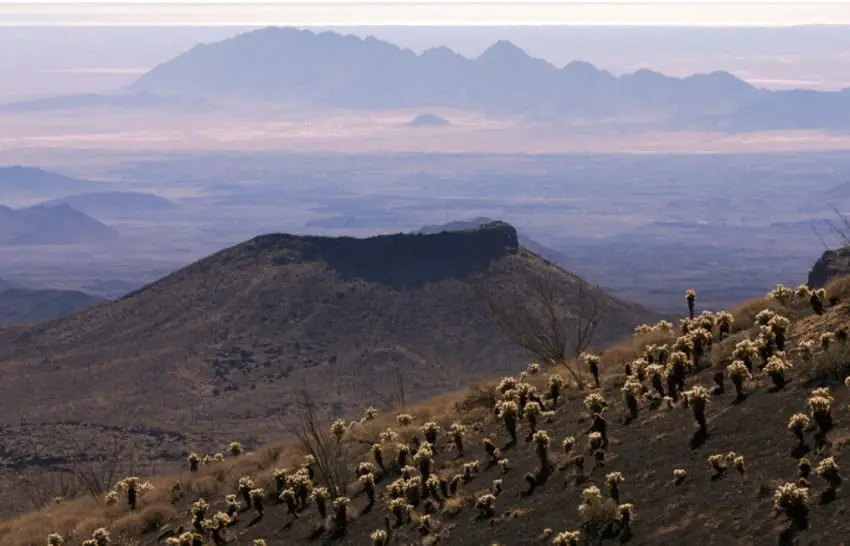
Located in the northern state of Sonora, the El Pinacate and Gran Desierto de Altar Biosphere Reserve are part of the four great North American deserts along with the Chihuahuan Desert, the Mojave Desert and the Great Basin Desert.
The reserve is home to the Gran Altar Desert, North America’s largest field of sand dunes — which reach up to 200 meters in height — and the Pinacate Shield, a dormant volcanic area of black and red lava flows and desert pavement. The combination of these features results in a highly diverse and visually striking desert landscape.

How to get there: Arrange a guided tour to the desert with a local company, including overnight camping experiences.
Islands and Protected Areas of the Gulf of California
Dubbed the “Aquarium of the World,” the Gulf of California or Sea of Cortez has one of the world’s most varied marine ecosystems. The area is a paradise for divers and scientists: it is home to 39% of the world’s total number of species of marine mammals and a third of the world’s marine cetacean species.
Extending from the Colorado River delta to the hydrothermal vents of the Guaymas Basin, the site comprises 244 islands, islets and coastal areas, providing dramatic views of rugged scenery, sandy beaches, turquoise waters and desert landscapes.
How to get there: The area is accessible through expedition cruises typically departing from La Paz and Los Cabos in Baja California Sur.
Monarch Butterfly Biosphere Reserve
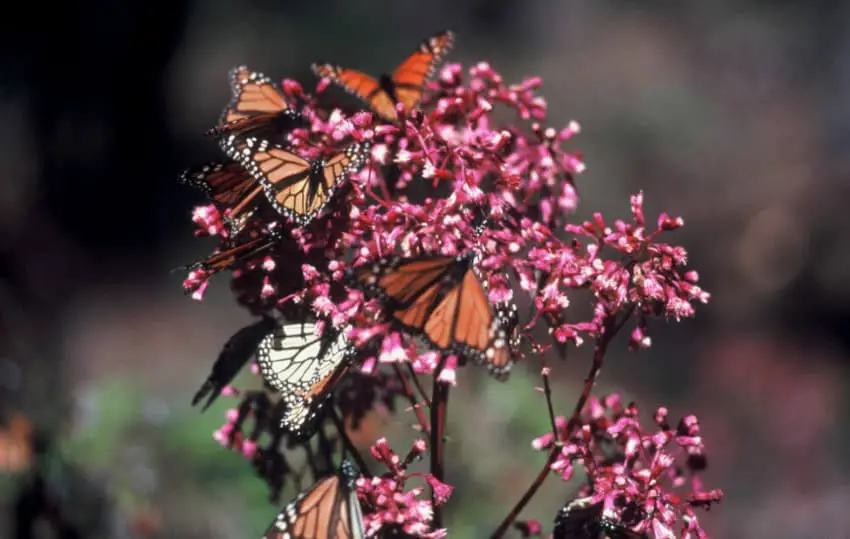
Every autumn, up to a billion monarch butterflies undertake an epic journey of up to 4,500 kilometers from Canada and the United States to find refuge in the fir tree forests of the Monarch Butterfly Biosphere Reserve.
Stretching across 56,000 hectares of Michoacán and México state, the reserve was declared a World Heritage Site due to the significance of the natural phenomenon it hosts. UNESCO has said that “the overwintering concentration of the monarch butterfly in the property is the most dramatic manifestation of the phenomenon of insect migration.”
How to get there: Various expeditions depart daily from Mexico City, México state and Morelia between November and March.
Sian Ka’an
Located on the eastern coast of the Yucatán Peninsula in the state of Quintana Roo, Sian Ka’an boasts diverse tropical forests, palm savannah, one of the most pristine wetlands in the region, lagoons, extensive mangrove stands, sandy beaches and dunes.
Dubbed the “Origin of the Sky” by the ancient Maya due to its aesthetics and beauty, Sian Ka’an is one of Mexico’s largest protected areas. The region is home to mammals like the jaguar, puma, ocelot and Central American tapir, as well as over 300 species of birds and hundreds of marine species.
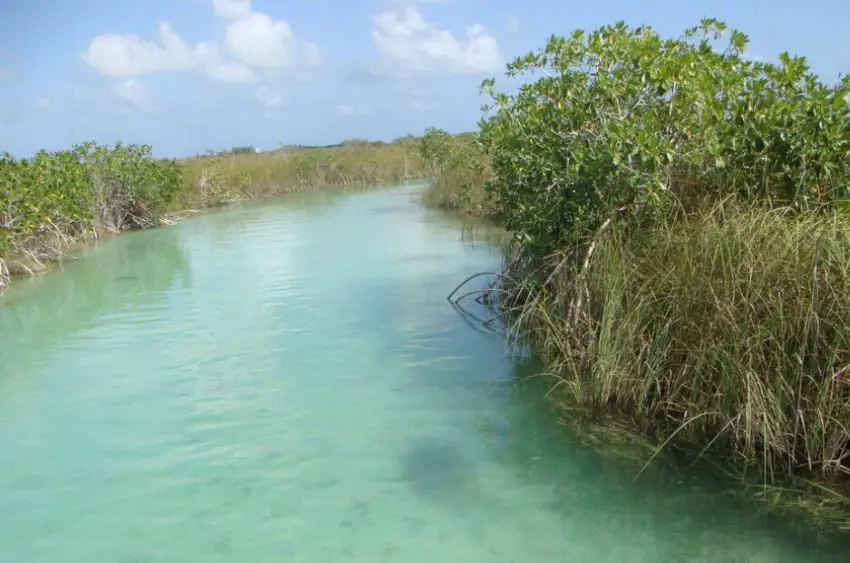
Besides its varied flora and fauna, the biosphere reserve stands out due to its cenotes, the region’s famous natural sinkholes, and petenes tree islands emerging from the swamps.
How to get there: Tourist companies typically offer full-day tours from various destinations in Quintana Roo.
Whale Sanctuary of El Vizcaino
Mexico’s largest protected natural area, the Whale Sanctuary of El Vizcaino is located in the central part of the Baja California Peninsula and is Mexico’s largest protected area. This biosphere reserve comprises the coastal lagoons of Laguna Ojo de Liebre and Laguna San Ignacio and their surroundings, a complex variety of wetlands, marshes, halophytes, dunes, desert habitats and mangroves.
The reserve’s lagoons are important reproduction and wintering sites for the gray whale, harbor seal, California sea lion, northern elephant seal and blue whale. Moreover, they are the most important breeding ground of the North Pacific population of the gray whale, serving as a refuge for this endangered species.
How to get there: various tour operators in Baja California offer whale-watching expeditions in the area during whale season, which typically begins on Dec. 15.
Gabriela Solis is a Mexican lawyer turned full-time writer. She was born and raised in Guadalajara and covers business, culture, lifestyle and travel for Mexico News Daily. You can follow her lifestyle blog Dunas y Palmeras.