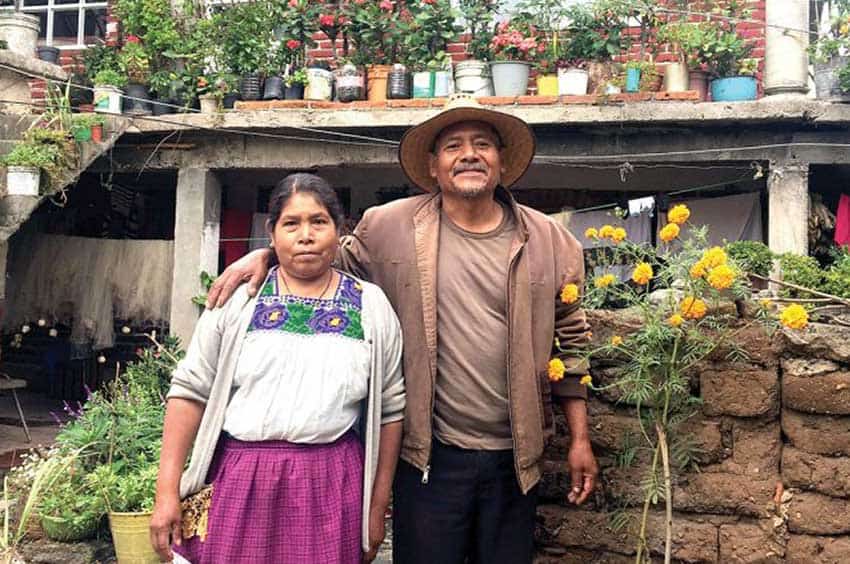
A new travel company with a social conscience is enabling tourists to have unique and authentic experiences in indigenous communities, which in turn benefit financially from sharing their cultural and natural wealth.
Eighteen months ago, four friends and travel enthusiasts created Rutopía, a social enterprise which arranges trips to 12 different communities in six states.
The aim of Irene Heras, Emiliano Iturriaga, Sebastián Muñoz and Diego Espinoza was to show tourists a different Mexico that they can’t easily access on their own.
To get their idea off the ground, the first step was to find communities that were willing to welcome tourists.
The Rutopía founders visited several indigenous towns where they met with residents and proposed to create and promote experiences that would attract visitors.
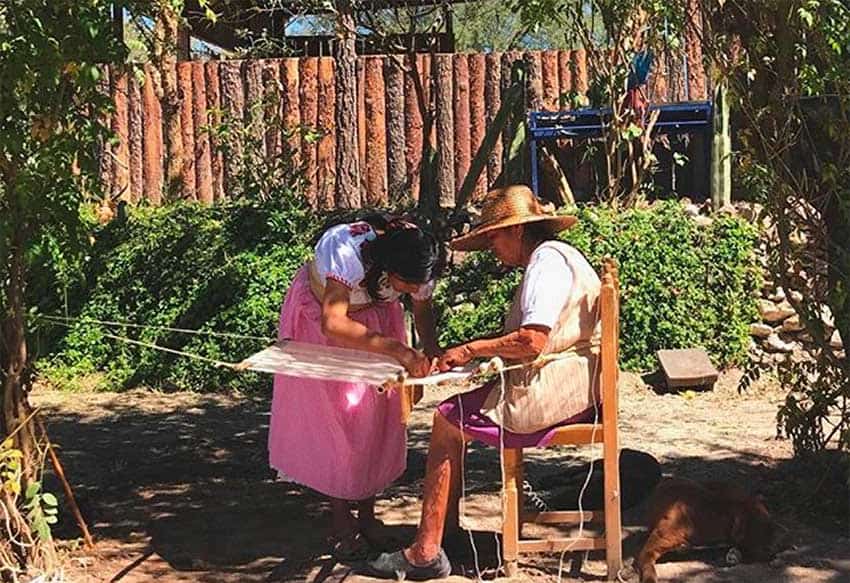
In 12 towns, the people agreed to “share the incredible cultural and natural wealth of their communities with the world,” Espinoza told Newsweek México.
Thus, foreigners and Mexicans alike can book immersive travel experiences of between one and five days in four different destinations in Hidalgo, four in Chiapas, and one in each of the states of Oaxaca, Campeche, Quintana Roo and Michoacán.

Among the experiences on offer are zip-lining and insect-eating in La Florida, Hidalgo, making the pre-Hispanic beverage of pulque and listening to local legends under the stars in El Almacén, Oaxaca, and swimming in a cenote and wildlife spotting in Uxuxubí, Quintana Roo.
The other destinations visitors can choose to visit on a Rutopía experience are Acaxochitlán, Valle del Mezquital and Santiago de Anay in Hidalgo; Tzimol, Tacaná, Tzizcao and El Triunfo in Chiapas; El Viente in Campeche; and Pátzcuaro Lake in Michoacán.
Learning how to make tortillas and mole, collecting and cooking mushrooms and visiting coffee plantations are some of the other activities which visitors can enjoy in the different communities.
“We co-designed experiences that highlight local knowledge and cultural heritage . . .” Espinoza said.
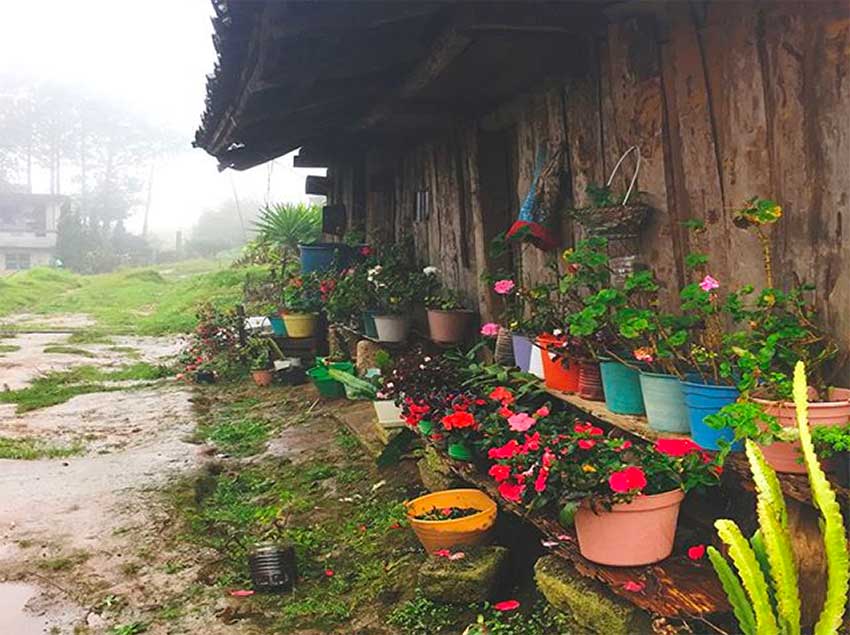
He explained that 70% to 80% of the price visitors pay for their trips goes to the hosts in the community while the other 20% to 30% covers Rutopía’s operational costs.
Espinoza added that many of the communities have previously been deceived by the government or other organizations with whom they have collaborated on tourism projects but Rutopía is gradually earning their trust.
The cost of a Rutopía experience varies depending on the community visited, the length of the trip and the size of the group.
More information about the different indigenous ecotourism experiences can be found on the Rutopía website, through which bookings can also be made.
Source: Newsweek México (sp)