The sargassum season is drawing to a close in Quintana Roo, the only Mexican state with a coastline on the Caribbean Sea.
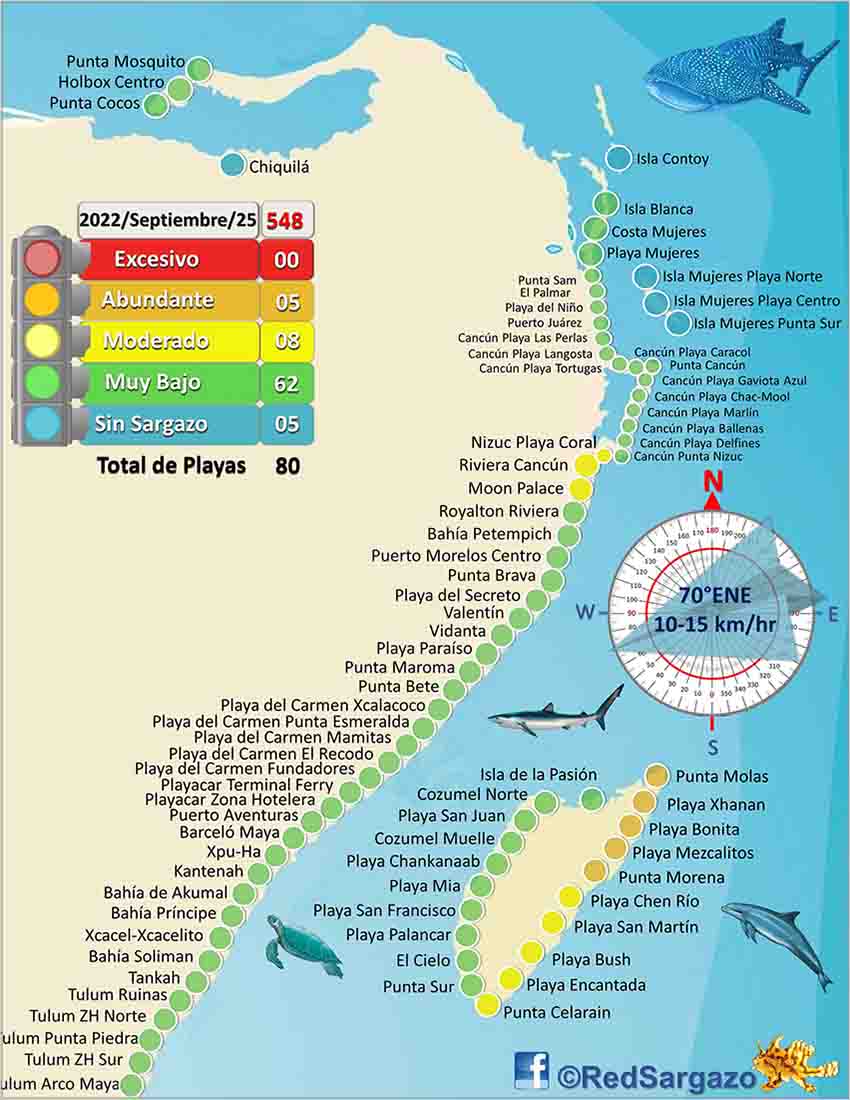
“Autumn arrived and the sargassum is going!!” the Quintana Roo Sargassum Monitoring Network posted on Facebook. The trusted source for tracking seaweed amounts on the state’s beaches also posted a map on Sunday showing that most beaches in the northern part of the state have very low levels of the pesky seaweed.
Just five beaches on the map, all on the eastern coast of Cozumel, have abundant amounts, while eight have moderate quantities.
“The quantity of sargassum arriving on our beaches has decreased significantly in the past 10 days, which is expected due to the change in sea currents and above all to the direction and magnitude of the prevailing winds,” the organization said.
Sargassum levels will decline further as autumn progresses and the seaweed will disappear completely at the end of the year when winter begins, the monitoring network said. The next sargassum season – an annual headache for the tourism industry and visitors to some of Mexico’s most popular beaches – will begin next spring, it said.
The monitoring organization said that with the seaweed’s disappearance, water off the coast of Quintana Roo and beaches along it will be cleaner, with only “isolated, low-intensity arrivals” of sargassum, which is not only a blight on white sand beaches but can pose a risk to human health as it rots.
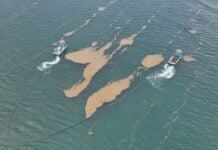
Authorities spend significant amounts of money to keep beaches as clean as possible, removing sargassum with machines and manually from both the sand and sea. Barriers have also been installed along some sections of coast to stop the seaweed from reaching the shore.

Meanwhile, off the coast of Tulum, the navy – which leads the federal government’s anti-sargassum strategy – recently completed the installation of barriers measuring a total of 2.4 kilometers.
They were supposed to be in place by March in order to trap seaweed this sargassum season, but the installation project was delayed for unspecified reasons.
With reports from El Sol de México and La Jornada Maya