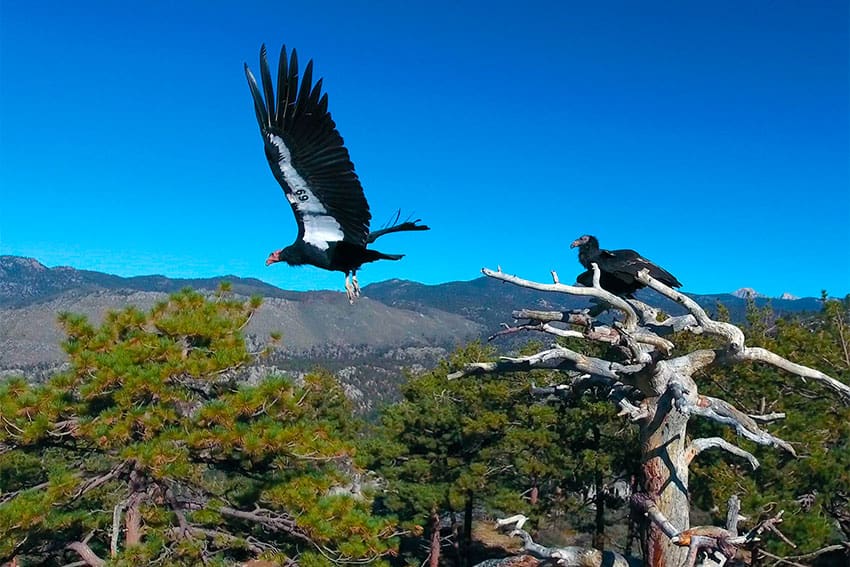
After nearly becoming extinct, the California condor has been successfully reintroduced into Baja California’s San Pedro Mártir National Park, and now a new, state-funded scientific station is intended to help ensure the species’ continued survival.
On a working trip to the park, located in the mountains of Ensenada near San Felipe, Governor Jaime Bonilla Valdez announced the creation of the 8-million-peso (US $360,000) station to house the existing condor program.
The California condor had not been seen in Baja California since 1937 prior to its reintroduction in 2002 through a joint program with the United States. The raptor, which has a wingspan of three meters and can live up to 70 years, was once found across most of North America.
By 1987, the bird became extinct in the wild and the species’ recovery in captivity, along with the successful release of captive birds, was an important achievement in conservation.
Forty-three condors now live in San Pedro Mártir, including 13 chicks that were born in the wild. More than 300 California condors now exist in the wild across North America.
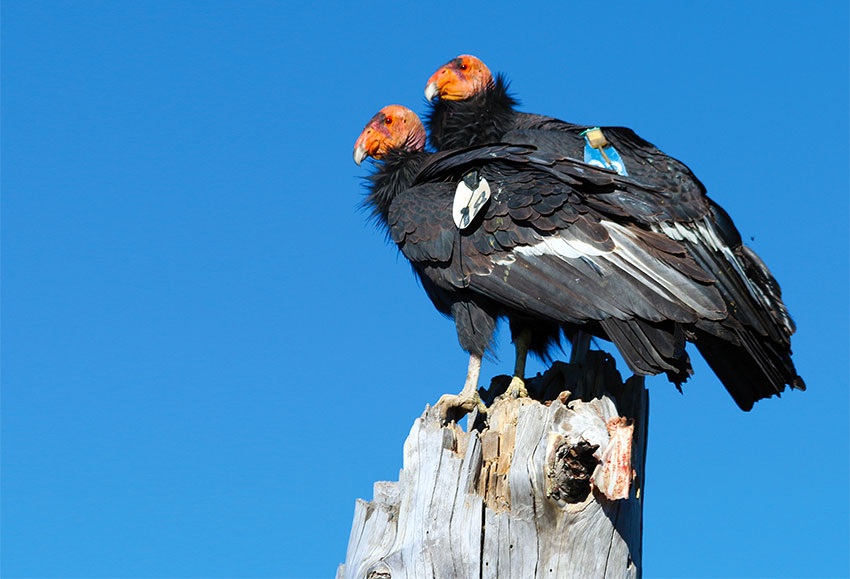
Juan Vargas Velazco is the coordinator of the program which in the past has relied on federal funding and donations. He manages a team of four researchers who live in the area and monitor the birds, which are tracked by GPS.
The team also carries out fieldwork to protect the species from harm from eating garbage, accidents caused by power lines, and poaching.

The new station will be a collaboration between the state and biologists from Baja California’s Autonomous University. The state stepped in with funding after President López Obrador cut 75% of the budget of the Natural Protected Areas Commission earlier this year.
“It is essential for the life of a state to be participating in this type of project,” Governor Bonilla said. “It is impressive to see how nature reinvents itself with so little.”
Source: El Economista (sp), El Vigía (sp)