Security forces detained a suspected leader of the Viagras crime gang after a shootout in the center of Uruapan, Michoacán, on Friday that left three police officers with gunshot wounds.
Members of the National Guard along with state and municipal police arrested Luis Felipe Barragán Ayala and two other suspected gang members.
According to the newspaper El Universal, armed men in moving vehicles began firing at municipal police in downtown Uruapan just before midday. The police responded with their own gunfire and received backup from the federal and state security forces.
A gunfight lasting several minutes ensued before the security forces were able to arrest the three suspects. Two of them, including Barragán, were wounded and taken to hospital under heavy security along with the three injured officers.
Also known as “El Vocho” (Mexican slang for a VW beetle) and “El V8,” the suspected Viagras leader is classified by authorities as a “highly dangerous” person and considered one of the main generators of violence in central Michoacán.
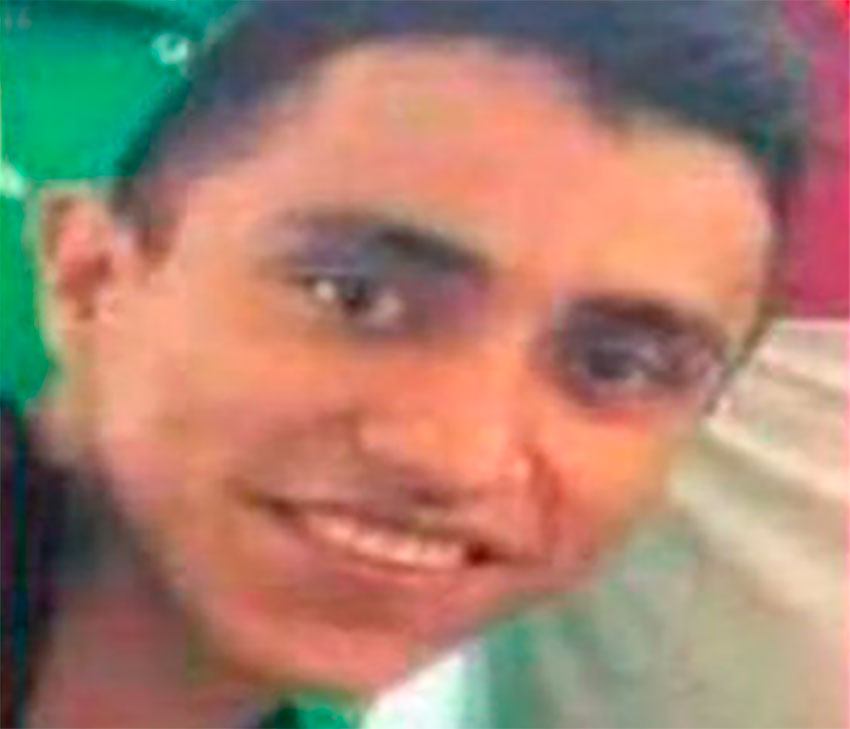
Authorities believe that he was behind the murder of 19 people whose bodies were found along a boulevard in Uruapan last August, although a narco-banner left with the victims was signed by the Jalisco New Generation Cartel (CJNG).
Barragán’s arrest on Friday triggered an angry response from other suspected members of the Viagras.

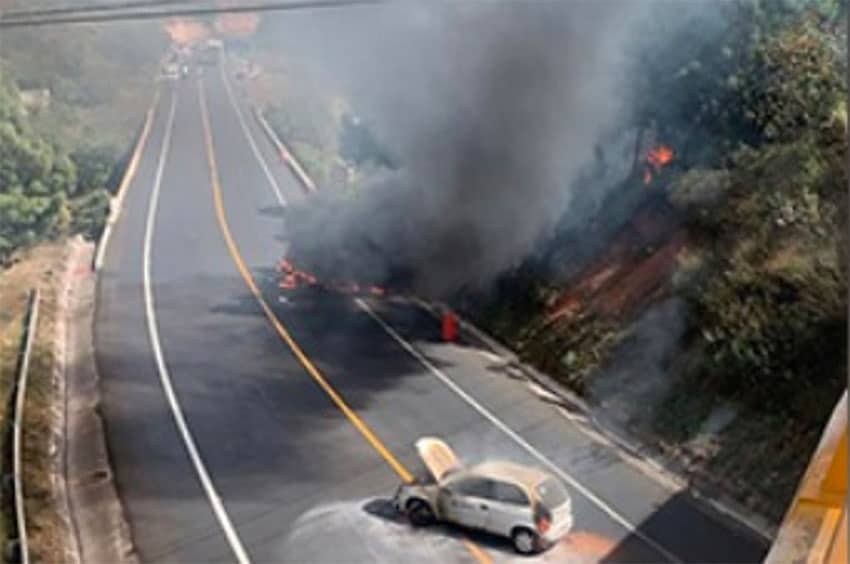
El Universal reported that one group of armed men hijacked a car and truck and set the vehicles on fire on the Siglo XXI highway outside Uruapan.
Another group of men torched two vehicles on the Uruapan-Pátzcuaro highway near the community of San Andrés Corú soon after, while three trucks were set ablaze at almost the same time on the road to the town of Lombardía, located south of Uruapan.
All three roads were reopened to traffic shortly after 3:00pm following the removal of the charred vehicles.
Originating from Huetamo, a municipality in the Michoacán’s Tierra Caliente region, the Viagras gang began operating as a self-defense force in 2014. It later morphed into a drug gang and in 2017 was described by Governor Silvano Aureoles as “the most bloodthirsty and dangerous” criminal group operating in the state.
The gang is engaged in a bloody turf war with the CJNG that has killed scores of members of both organizations and is notorious for setting up narco-blockades to retaliate against the capture of its members and to hinder security force operations against it.
Source: El Universal (sp)