The confiscation of 59 million liters of allegedly stolen fuel from a storage terminal in the state of Guanajuato last month was initially described by federal authorities as the largest single-site seizure in Mexico’s history.
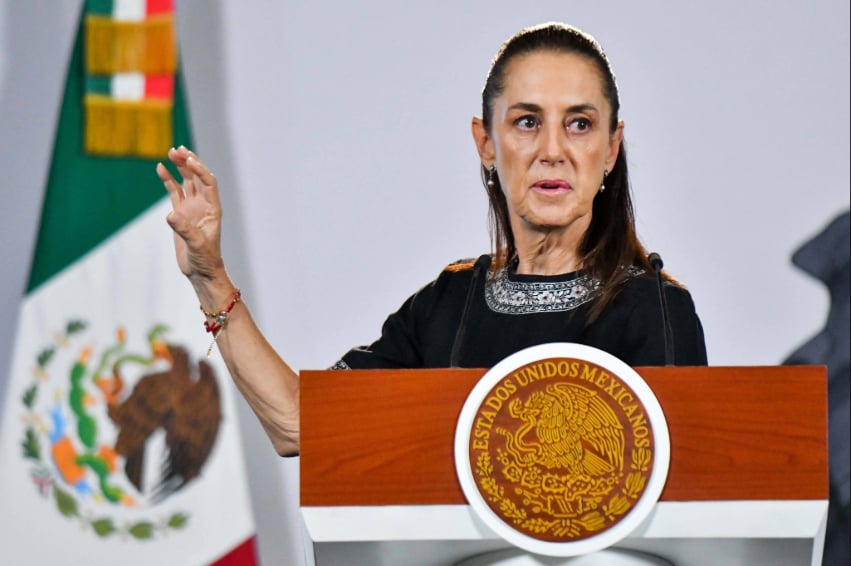
But the seized fuel was not in fact huachicol (stolen or illegally imported fuel), President Claudia Sheinbaum said Wednesday, confirming suspicions that emerged shortly after the so-called megadecomiso (mega-bust) was announced.
Las indagatorias para combatir a redes delictivas vinculadas al contrabando de combustible llevaron a la #FGR a cumplimentar diversas órdenes de cateo que derivaron en el hallazgo de más de 59 millones de litros de hidrocarburo en #Guanajuato, de los cuales no se ha acreditado su origen.
La FGR continúa las investigaciones tendientes a acreditar la posible comisión de delitos previstos en la Ley Federal para Prevenir y Sancionar los Delitos Cometidos en Materia de Hidrocarburos, así como los diversos previstos en el Código Fiscal de la Federación, en caso de que no se acredite la propiedad y trazabilidad de la totalidad del hidrocarburo localizado.
Más información ▶️ https://t.co/ZiONwhxM56
— FGR México (@FGRMexico) September 18, 2026
Asked at her morning press conference whether the seized fuel was huachicol or not, Sheinbaum gave an unequivocal response — “No.”

She said the Federal Attorney General’s Office (FGR) had conducted an investigation, and told reporters that “the knowledge we have is that … there were some illegal matters” related to the entry of tanker trucks to the fuel storage terminal, located in the municipality of San José Iturbide.
“The company resolved that issue,” Sheinbaum said, referring to Grupo SIMSA, the owner of the storage facility.
“… In general, the entire facility was a facility that had its permits. There was an illegal action, but the company resolved it,” she said.
Sheinbaum said the FGR would report on the findings of its investigation. As of Thursday morning, it hadn’t done so.
On Sept. 17 — the date the fuel bust was first announced — Grupo SIMSA issued a statement declaring its storage terminal was operating legally and was duly registered with state, local and federal authorities.
Acknowledging the legitimacy of the documents, the FGR quietly modified its proceedings, shifting the terms of the case from a seizure to an embargo while it investigated the source and traceability of the 59 million liters of fuel in question.
The FGR’s delegate in Guanajuato, Juan Francisco Vera, was fired after irregularities were detected in the fuel-seizure operation and is currently under investigation.
The operation to seize the fuel — carried out two weeks before the confiscation was announced — was triggered after a July 3 arrest involving a tanker truck loaded with allegedly stolen fuel. On the day of the operation, state and federal agents seized 10 tanks containing fuel, three tanker trucks, containers used to transport fuel, and documentation.
Federal prosecutor fired as doubts grow over Mexico’s ‘largest-ever’ fuel-trafficking bust
However, no arrests were ever made in connection with the case.
The federal government has made significant progress in the fight against fuel theft and a fuel smuggling/tax evasion scheme known as huachicol fiscal. More than 2,500 people have been detained on fuel theft or fuel smuggling charges since Sheinbaum took office in October 2024, and the president declared in August that her administration had “practically” put an end to huachicol fiscal.
Despite authorities’ initial claims, the seizure of 59 million liters of fuel in Guanajuato — a state known as a fuel theft hotspot — cannot be counted among the government’s successes in combating fuel-related crime, based on Sheinbaum’s remarks on Wednesday.
With reports from Reforma, El Universal and El País