Step aside, tequila and mezcal. There’s a new – but actually very old – drink in town.
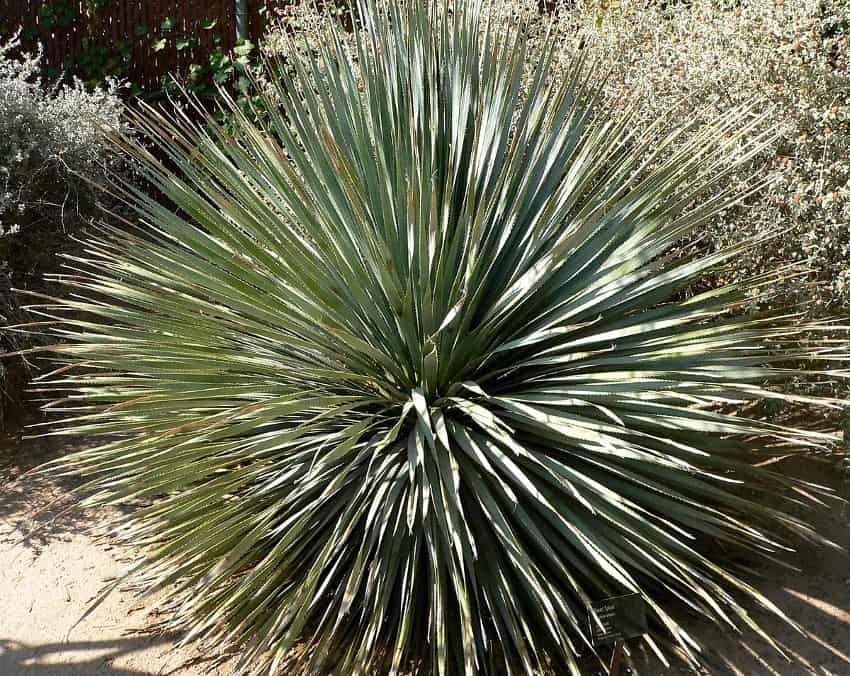
Sotol is a spirit made from the sotol plant (dasilyrion wheeleri), which grows in the deserts of northern Mexico as well as the southern US states of Texas, New Mexico, and Arizona.
The sotol plant is a close relative of the agave, and the beverage distilled from it has been gaining in popularity over the past several years on both sides of the border. Some industry experts claim the drink’s popularity will eventually surpass that of mezcal and tequila.
“Commercially speaking, it’s where mezcal was 10 years ago,” Ricardo Pico, Vice President of the Certifying Council of Sotol told BBC World. Notable for its clear pour, herbal, smooth taste, and easy drinkability, sotol has gained many new fans over the past several years. It can be consumed straight, but also makes a good base for cocktails.
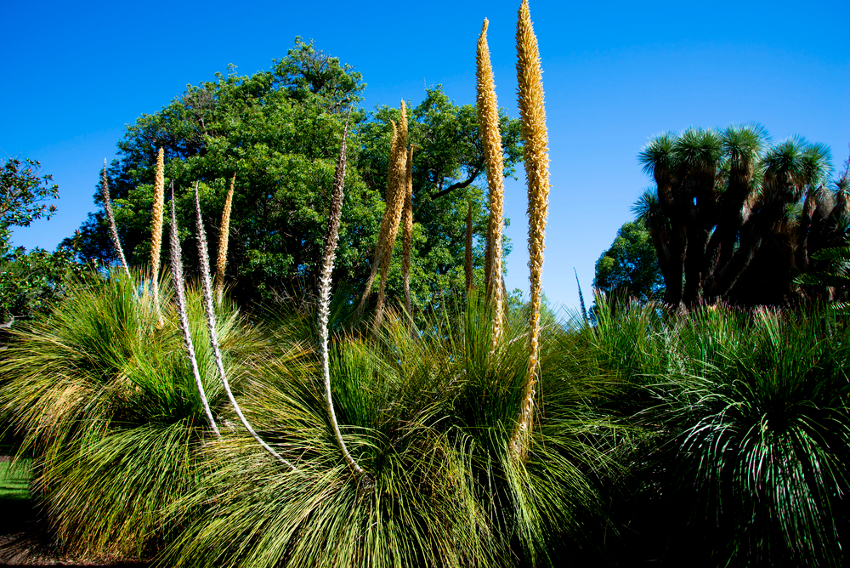
The “heart” of the plant, which grows on the end of a long stem in its center, is traditionally roasted in an earthen oven, then pressed to remove the sap before being fermented. While sotol can be aged to bring out more complex flavors, it is not always part of the process.
There is archaeological evidence in both present-day Mexico and Texas of the cultural importance of the sotol plant that goes back 7,000 years. More recently, the Rarámuri tribe of Chihuahua, Mexico, are believed to have made a beer-like beverage using the plant starting approximately 800 years ago. When the Spanish began colonizing the region in the 16th century, they introduced the distillation process, making sotol what it is today.
Sotol was first mass-produced in Mexico in the 1930s, when it developed a similar reputation as moonshine north of the border. The Mexican government outlawed its production in 1944, not lifting the ban until 1994, after the signing of the North American Free Trade Agreement (NAFTA).

In 2002, the Mexican government granted the beverage a designation of denomination of origin (DO), meaning that only sotol produced in the states of Durango, Chihuahua, and Coahuila can rightly be labeled as sotol (similar examples are champagne and scotch). The DO designation is recognized by the World Intellectual Property Organization.
However, when the new US-Mexico-Canada Agreement (USMCA) came into effect in 2020, sotol did not receive the denomination of origin protection enjoyed by tequila and mezcal; in fact, it was removed last minute out of fear that it would hurt producers in Texas.
As the beverage gets more attention, the debate about spirits made from local varieties of sotol plants in Texas and whether they should be labeled and marketed as sotol has heated up.
Texas producers maintain that because the plant grows “in their backyard” and they are using the same or similar techniques to produce it, then they should be allowed to continue to do so while maintaining the drink’s name.
A few vocal Mexican producers and activists believe that Mexico’s DO should be respected, for cultural reasons and economic ones. But Mexican sotoleros like Jacobo Jacquez of Sotol Don Celso see increased visibility of the beverage as a boon to both sides of the border.
Jacquez, who collaborates with Texas sotol producer Marfa Spirit Co., told Texas Monthly, sotol is “a heritage that we share.”
With reports from My San Antonio