
The Supreme Court (SCJN) has ruled that current mandatory pre-trial detention arrangements are valid except in cases in which alleged perpetrators are accused of tax fraud, smuggling and tax evasion via the use of phony invoices.
As a result of Thursday’s ruling, mandatory preventive detention will continue to apply to suspects accused of a range of crimes including homicide, rape, kidnapping, fuel theft, burglary and firearm offenses.
Less than three months after Justice Luis María Aguilar withdrew an earlier proposal to do away with mandatory pre-trial detention due to insufficient support among his colleagues, the SCJN on Thursday rejected a new proposal to end the constitutionally-enshrined practice.
Only five of 11 justices supported the new proposal, which sought to do away with automatic pre-trial detention in favor of allowing judges to use their discretion to determine whether alleged perpetrators of serious crimes should be imprisoned as they await trial. A minimum of eight votes was needed for the proposal to be approved.
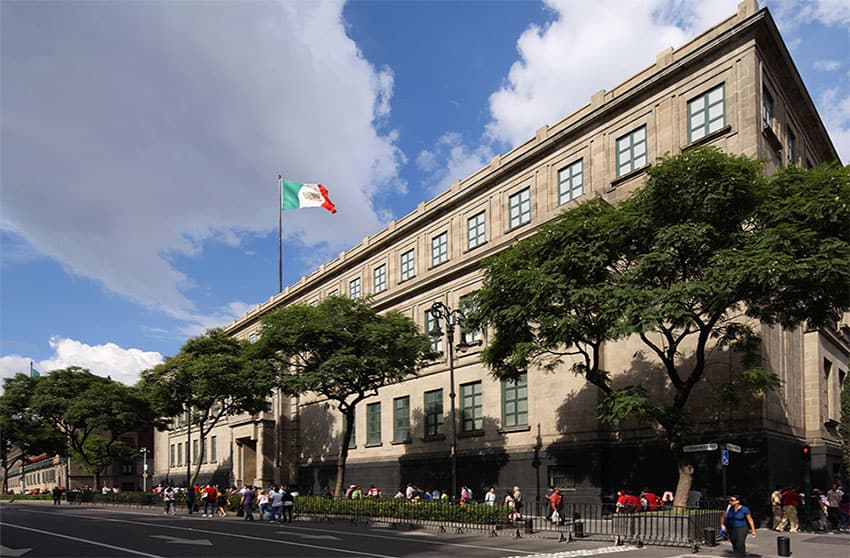
While the SCJN upheld the constitutionality of mandatory pre-trial detention for most crimes to which it applies, separate proposals to eliminate the measure in cases of fraud, smuggling and tax evasion via the buying and selling of fake invoices found sufficient support among the 11 justices. Preventive detention for those three crimes only became compulsory in 2019 after the government broadened the list of offenses to which the measure applies. Suspects in fraud, smuggling and tax evasion cases could still be jailed before they are sentenced if a judge approves prosecutors’ request to that end.
Luis Tapia, a human rights lawyer, asserted that in not ruling generally against mandatory pre-trial detention the SCJN “missed the opportunity … to protect the rights of people in prison.”
Some 92,000 people are currently in prison awaiting trial, a figure that equates to over 40% of the entire prison population in Mexico. Some suspects languish in prisons for years without facing trial, although by law they shouldn’t be held in preventive custody for more than two years.

Although Tapia would have liked the SCJN to completely eliminate the mandatory pre-detention provision, he told the newspaper El País that Thursday’s ruling is nevertheless a “blow” to the legal measure as the court has placed “certain limits” on its use.
Justice Aguilar argued that mandatory pre-trial detention is “contrary to human rights and thus inadmissible” in a country seeking to uphold the rule of law.
Critics of the practice argue that it violates due process, the presumption of innocence and personal freedoms.
Aguilar argued that preventive prison shouldn’t be an “automatic and thoughtless measure” but one used only when it is really necessary, such as in cases when the suspect is deemed to be a flight risk or his or her freedom while awaiting trial is determined to be a risk to citizens’ safety.
Chief Justice Arturo Zaldívar believes that pretrial detention should be the exception rather than the rule, and said earlier this year that the measure has been abused in Mexico. However, he was one of six justices who didn’t support Aguilar’s proposal due to concerns about its legality, deeming it “constitutionally and technically untenable.”
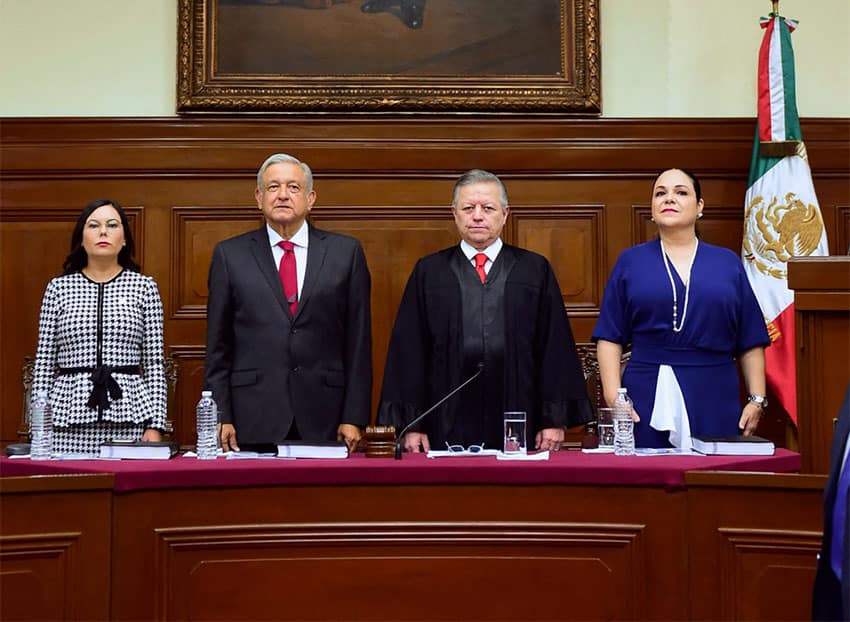
He and other justices who opposed the proposal argued that the SCJN doesn’t have the authority to rule against the use of mandatory pre-trial detention in the majority of crimes to which it currently applies as the measure is set out in the constitution.
Justice Alberto Pérez Dayán said earlier this year that he wasn’t the kind of person who “tears pages out of the constitution.”
The three crimes for which the SCJN ruled in favor of eliminating mandatory pre-trial detention are not specifically mentioned in the relevant article of the constitution.
Justice Yazmín Esquivel, who also opposed Aguilar’s proposal, argued that mandatory pre-trial detention is an essential tool in the fight against crime, a view shared by the federal government and its leader, President López Obrador, who railed against a 2021 SCJN ruling against the mandatory use of preventative custody for people accused of financial crimes.
Tapia, the lawyer, said that the Supreme Court’s latest ruling “sends a message to the president that he can’t continue increasing the catalogue” of crimes to which mandatory pre-trial detention applies.
“This decision has a political impact insofar as the court is not validating the strategy of considering mandatory pre-trial detention as the solution to problems of criminality,” he said.
López Obrador on Friday condemned the SCJN’s decision to eliminate automatic pre-trial detention for financial crimes, asserting that the ruling is “very regrettable” and “an embarrassment” as a majority of justices chose to protect “tax evaders.”
“Say what you will [but] it’s protecting those above, the magnates, the white collar criminals,” he said. “Yesterday was a bad day for the judicial power.”
López Obrador and other high-ranking members of his government have been openly critical of the nation’s judges, some of whom have ruled against government policies and delivered judgments that have stalled public infrastructure projects.
In September, a senior security official named and shamed numerous judges who allegedly acted improperly by releasing suspected criminals from custody, while in May 2021, Navy Minister José Rafael Ojeda went so far as to say that it seems that the judiciary is the “enemy” of the state in many organized crime cases because judges often act in a way that makes it appear they are on the side of the criminals.
With reports from El País, Reforma, El Financiero and Milenio