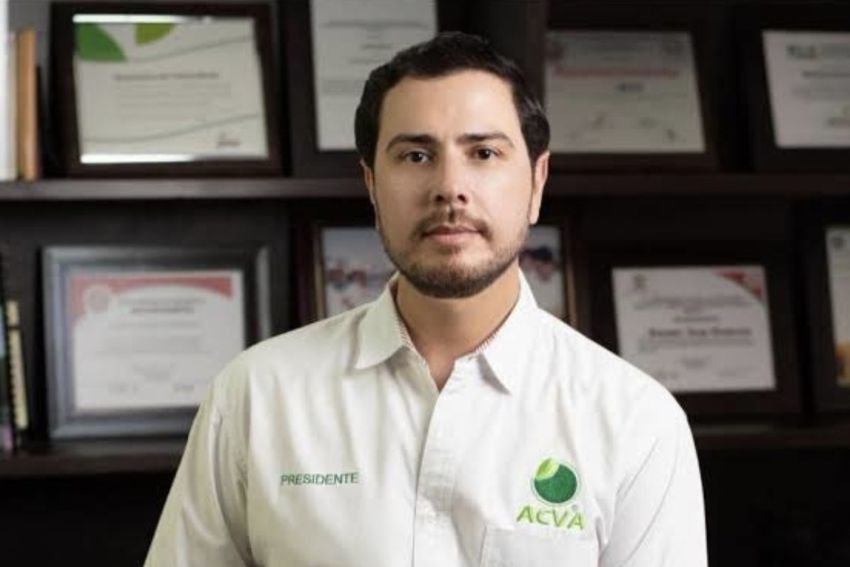
Hours after the murder of Bernardo Bravo, leader of the Apatzingán (Michoacán) Citrus Growers Association (ACVA), federal authorities announced the arrest of a man accused of extorting the lime growers Bravo was fighting to protect.
Security Minister Omar García Harfuch issued a statement on social media early Tuesday announcing that the detainee is allegedly a member of the crime gang collecting extortion fees from lime producers and avocado growers in the region.
The suspect was identified as Rigoberto “N,” aka “El Pantano” (“The Swamp”).
García Harfuch said the arrest was the result of an operation carried out in conjunction with the Defense Ministry, the National Security Cabinet, the Michoacán governor’s office and the state Attorney General’s Office.
The suspect is allegedly the operational chief of the extortionists known as “Los Blancos de Troya,” described as allies of “Los Viagras” — a drug trafficking crime family — and the notorious Jalisco New Generation Cartel (CJNG).
Though “El Pantano” has not been charged with the murder, he is suspected of playing a role in Bravo’s death.
“The investigation will continue until all those responsible are found,” García Harfuch said.

Bravo had been organizing local lime growers to resist the extortion scheme that has long plagued producers in the region. On Oct. 16, Bravo issued a video announcing that the ACVA was preparing to take action at Monday’s Tianguis Limonero (Lime Market) in Apatzingán by preventing “intermediaries” sent by crime gangs from setting prices for the farmers’ limes.
Days earlier, Bravo had rejected orders issued by the extortionists that limes only be harvested on specific days (so as to facilitate control) before leading a protest march from the tianguis to downtown Apatzingán.
On Oct. 14, Bravo called on President Claudia Sheinbaum and the federal government for help.
“We strongly, firmly and respectfully ask the president to recognize that the agricultural sector is in crisis, and … we need funds to continue working,” he said.
Six days later, Bravo’s tortured body was found in the front seat of his pick-up truck, killed by a bullet to the back of his head.
On Tuesday morning, Sheinbaum promised justice, saying her entire security cabinet was working with local authorities to investigate the murder.
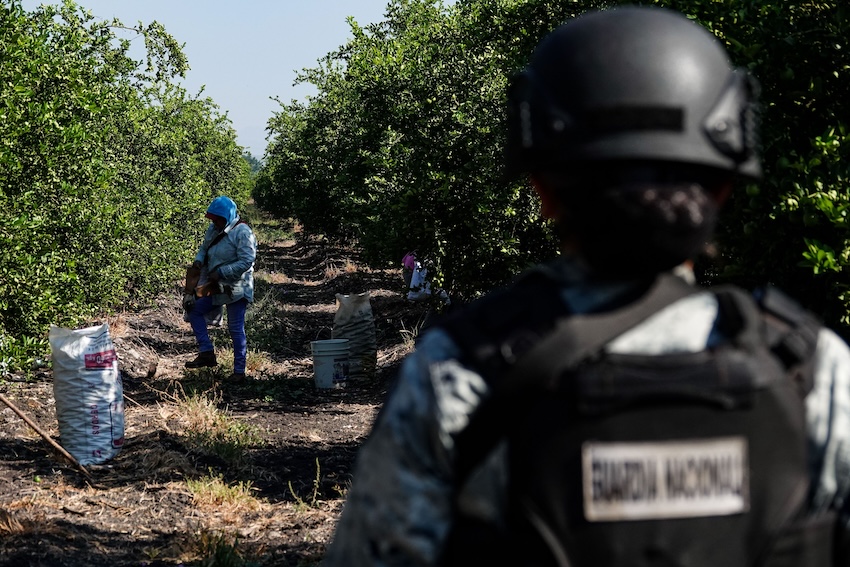
State and federal authorities have been battling cartels in the Tierra Caliente (Hot Country) of Michoacán for years. Last year, five lime-packing houses went on strike to protest the lack of security.
Even recent arrests have not deterred the cartels.
In February, Gerardo “N,” alias “La Silla” — the leader of Los Blancos de Troya — was captured in Apatzingán. In addition to extortion charges, “La Silla” is accused of murdering two agents of the Federal Attorney General’s Office.
Just a few weeks ago, Jhon Mario “N”, alias “El Llanero,” was arrested on extortion charges.
Earlier this year, Governor Alfredo Ramírez Bedolla inaugurated a military barracks that cost 13 million pesos (US $705,500) in an effort to clamp down on criminal gangs operating in the Tierra Caliente.
However, a month later, at least 30 lime farmers temporarily shuttered operations after receiving threats from cartels.
With reports from El Universal, Infobae, CBS News and TV Azteca