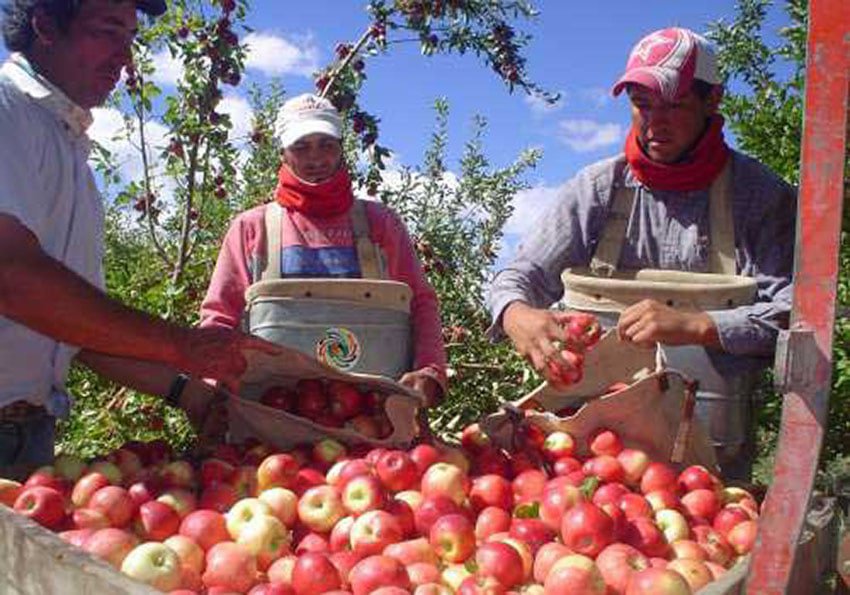
Mexico’s 20% tariff on apples imported from the United States has translated into a significant decline in sales as consumers turn to cheaper alternatives.
Imported apple sales have dropped by 70% to 80%, said Elías Chavez López, commercial director of the apple distribution firm Grupo MLA, which is also one of the apple suppliers to the Central de Abasto, the main wholesale market for produce and other food products in Mexico City.
The price for a crate of apples has risen between 100 and 120 pesos (US $5 and $6).
But domestic apples have gone up in price too, “as much or even more than United States apples,” Chávez said.
So many people have stopped buying the fruit. Instead they are opting for melons, guavas or other domestic fruit that costs less.
Apple distributors are doubly affected because they have been paying for the difference in prices caused by a devalued peso.
The United States is by far the largest supplier of apples in Mexico. More than 276,000 tonnes were imported last year. Chile was next with a mere 3,812 tonnes.

Chávez says that while Chile could substitute the United States apple imports, it has to comply with several phytosanitary regulations that elevate its price.
That, coupled with shipping costs, raises the price almost to the same level as the U.S. product.
Source: Milenio (sp)