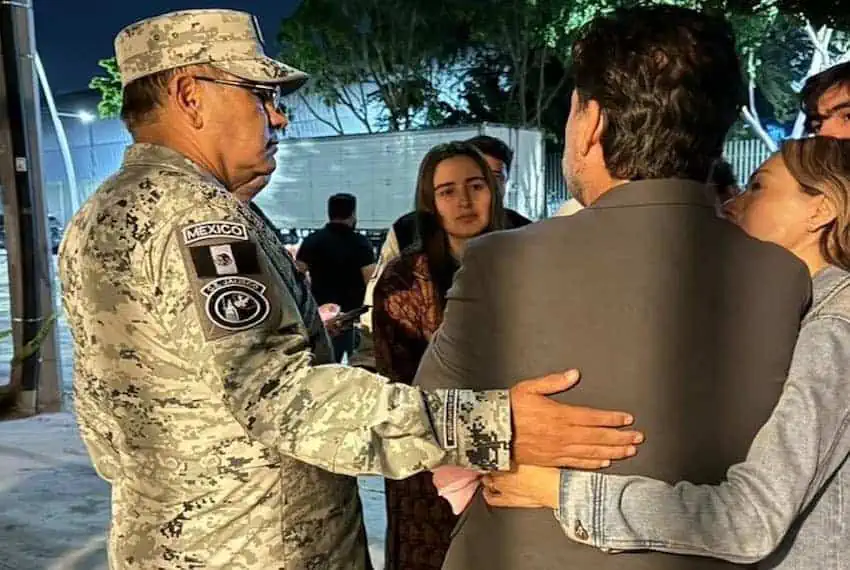
Journalist Jaime Barrera, a newscaster for Televisa, is back with his family after he was released by his captors following his kidnapping in Guadalajara on Monday.
The 56-year-old’s daughter, Itzul Barrera, announced on social media early Wednesday that “my dad is now with us.”
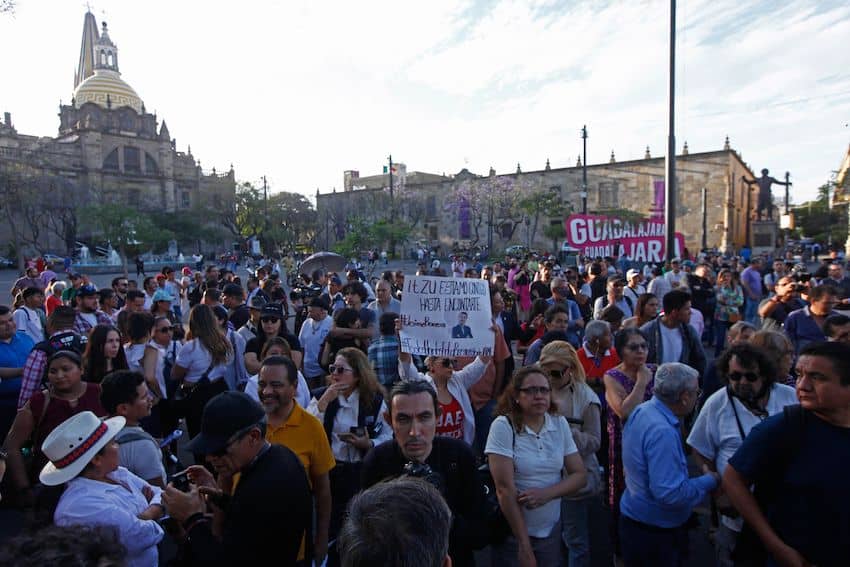
The Jalisco Attorney General’s Office confirmed later on Wednesday morning that Barrera — who was forcibly removed from his vehicle by three or four suspects on Monday — had been found and was in good health. The office noted that an investigation to find out what happened and detain those responsible for the abduction is ongoing.
Barrera, one of the best-known journalists in Jalisco, was released by his abductors in the municipality of Magdalena, located some 80 kilometers northwest of Guadalajara near the town of Tequila. He was subsequently able to borrow a telephone to call 911 and contact family, the newspaper Milenio reported.
The National Guard, army and state police all responded to the 911 call and Barrera was taken to hospital to undergo a medical check.
The journalist, who also works in radio and contributes to the newspaper El Informador, spoke to the media about his ordeal.
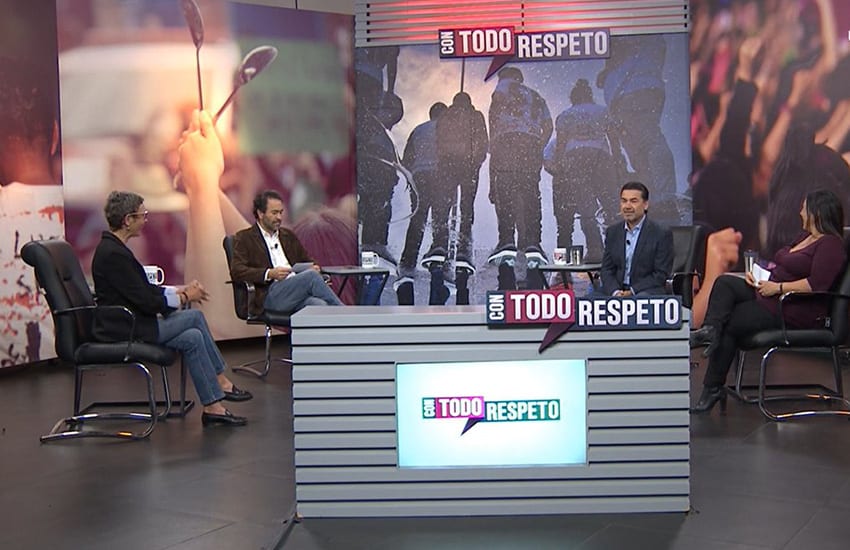
He told journalist Azucena Uresti that his kidnappers gave him “unos tablazos” or whacks with a wooden board while he was in their custody. Barrera said he was forced to remain on the floor at at least two different addresses and that he was blindfolded, preventing him from seeing his captors.

He also said he was interrogated about his journalism, which includes reporting on organized crime. Barrera said he was asked why he writes what he writes and on whose behalf.
“I told them that I don’t write on anyone’s behalf or orders, I write what I believe is journalistic. I believe it was a little bit of intimidation,” he said.
An El Universal newspaper columnist speculated that Barrera’s abduction could be related to his writing about the Jalisco New Generation Cartel, and in particular, the criminal organization’s leader Nemesio “El Mencho” Oseguera Cervantes.
Barrera told Uresti that he will return to work next Monday and that he will seek protection from federal authorities under a program specifically designed to prevent attacks on journalists. He said his abduction on Monday was completely unexpected.
In a separate interview with broadcaster Ciro Gómez Leyva, Barrera said that he believed his abduction was a “kind of warning” to be careful about what he writes and says.
He said that while his abductors released him, they effectively conveyed the message that “we know where you live — where you and your family are.”
The journalist also said he would speak with lawyers “to make a more precise account” of what happened to him.
“It was a long, terrible odyssey, but fortunately it ended well,” he said.
Acts of aggression against journalists are common in Mexico.
Press freedom advocacy organization Article 19 said in a report last September that it had documented 2,941 “cases of violence against the press during the mandate of President Andrés Manuel López Obrador,” who was sworn in on Dec. 1, 2018.
With reports from El Financiero, Milenio and El Universal