‘The Day We Lost the City:’ black Thursday in Culiacán subject of film

Two years since “black Thursday” – the day Culiacán, Sinaloa, became a battleground – a documentary has been released recounting the events.

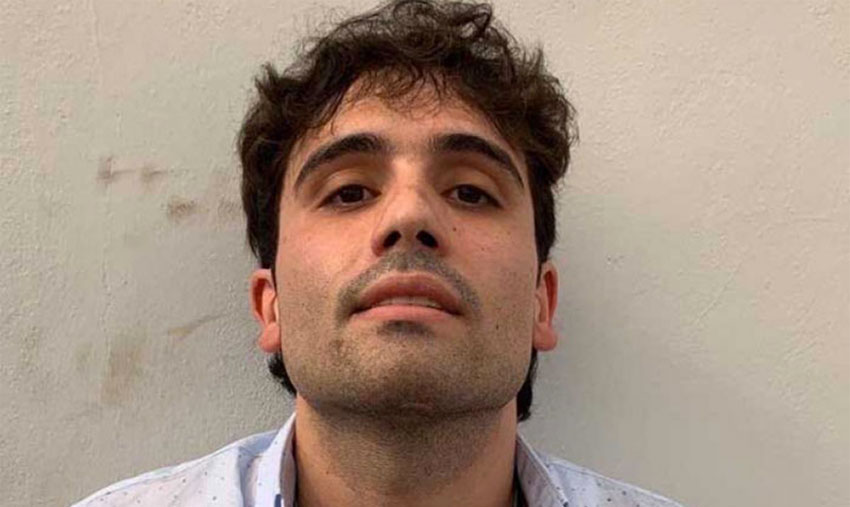
On October 17, 2019, the armed forces undertook an operation to capture jailed cartel boss Joaquín El Chapo Guzmán’s son, Ovidio Guzmán. Culiacán was briefly turned into a battlefield with blocked avenues, burning vehicles, convoys of armed vehicles and heavily armed men. Amid the threat of civilian turmoil, Ovidio was released.

The 34-minute The Day We Lost the City (El día que perdimos la ciudad), available on YouTube, shows how the Sinaloa Cartel imposed its power on state security, and forced the criminal protégé’s release.

The documentary was produced by the civic organization Iniciativa Sinaloa AC with the support of the Resilience Fund, a program of The Global Initiative Against Transnational Organized Crime. The journalists Marcos Vizcarra, Luis Brito created the documentary, while journalist Silber Meza acted as a collaborator.

Meza posted on Twitter to explain their motivations. “Today marks two years since the painful black Thursday … To preserve the memory of what happened, we made a documentary that is being broadcast on social networks for the first time. Two years of deep sadness for the culichis [residents of Culiacán] who aspire to have a city in peace,” he said.

El día que perdimos la ciudad #JuevesNegro #Culiacanazo

He added that it was important to dispel myths about the actions of the cartel. “There was a social denial that the Sinaloa Cartel decided to act against its own people, the public, in order to save one of its leaders,” he said.

Experts consulted by the newspaper El Universal said there was no clarity about the security measures which had been taken to avoid a repeat of the events. They described the ongoing shock of society left fragile by the day known locally as the culiacanazo.

With reports from El Universal 

Have something to say? Paid Subscribers get all access to make & read comments.
Manzanillo, Colima, México, 13 de marzo de 2026. La doctora Claudia Sheinbaum Pardo, presidenta Constitucional de los Estados Unidos Mexicanos en conferencia de prensa matutina, “Conferencia del Pueblo” desde Colima. La acompañan Indira Vizcaíno Silva, gobernadora Constitucional del Estado de Colima; Omar García Harfuch, secretario de Seguridad y Protección Ciudadana (SSPC); Raymundo Pedro Morales Ángeles, secretario de Marina (Semar); Bulmaro Juárez Pérez, divulgador de lenguas originarias, presentador de la sección “Suave Patria”; Ricardo Trevilla Trejo, secretario de la Defensa Nacional (Sedena); Jesús Antonio Esteva Medina, secretario de Infraestructura, Comunicaciones y Transportes; Bryant Alejandro García Ramírez, fiscal general del Estado de Colima; Fabián Ricardo Gómez Calcáneo; Rocío Bárcena Molina, subsecretaria de Desarrollo Democrático, Participación Social y Asuntos Religiosos de la Secretaría de Gobernación; Efraín Morales López, director general de la Comisión Nacional del Agua (Conagua); Marcela Figueroa Franco, secretaria ejecutiva del Sistema Nacional de Seguridad Pública (SESNSP) y Guillermo Briseño Lobera, comandante de la Guardia Nacional (GN). Foto: Saúl López / Presidencia

Mexico’s week in review: Congress deals Sheinbaum her first legislative defeat

1
The week of March 9 in Mexico was marked by standoffs between allies in Congress and adversaries at the airport. Here's what you missed.
A soldier displays seized handguns

The US and Mexico, growing together and growing apart: A perspective from our CEO

1
From a historic drop in homicides to opposite bets on electric vehicles, Mexico News Daily's CEO breaks down where the U.S. and Mexico are converging — and where they're not.
Veracruz Gov.

Veracruz governor blames private vessel for 200-kilometer Gulf Coast oil spill

1
The spill, which has spread to over 200 kilometers of Mexico's Gulf Coast beaches, has been traced to a private oil tanker off the coast of Tabasco.
BETA Version - Powered by Perplexity