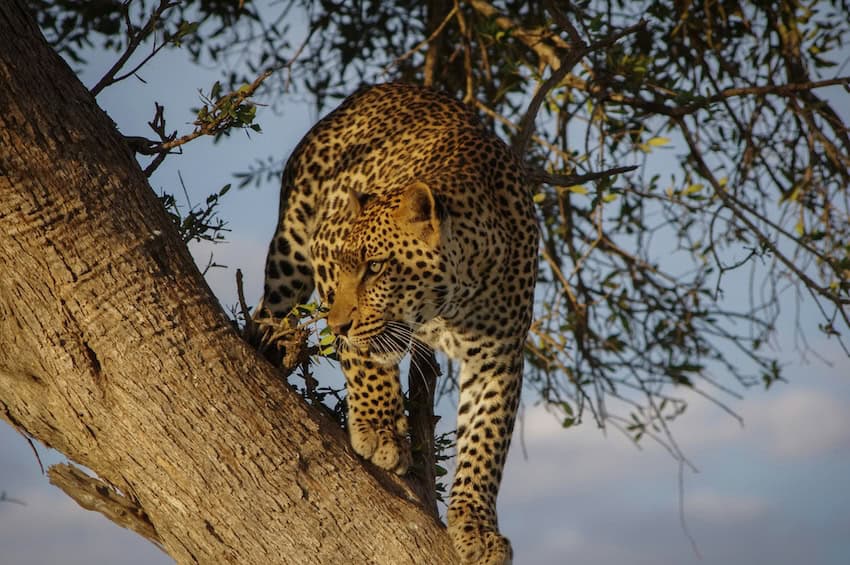
A male jaguar has been spotted five times this summer on the U.S. side of the U.S.-Mexico border near a 27-mile border wall project, reigniting debate over the issue of wildlife connectivity.
Wildlife advocates are concerned that the new wall could trap the wandering male jaguar in the U.S. or keep other cats from dispersing north from the closest breeding populations in Mexico’s northwestern state of Sonora.
ICYMI: There’s a jaguar here again in southern AZ. A team of scientists and volunteers at the University of Arizona’s Wild Cat Research and Conservation Center have recorded five sightings of one male jaguar this summer, including the detections below. 😻 https://t.co/Rp8hsNk9pt pic.twitter.com/sdYiJD753f
— Sky Island Alliance (@Sky_Islands) August 8, 2025
The jaguar is considered a “Near Threatened” species by the International Union for Conservation of Nature and is classified as “Endangered” in Mexico, though a recent survey found the jaguar population is recovering.
Two Arizona-based environmental nonprofit organizations are suing the U.S. government over the border wall being extended through the San Rafael Valley, the last major open space for wildlife migration along the U.S.-Mexico border.

Motion-activated cameras recorded Arizona’s only known resident jaguar at three different locations in June and July, including a rare daylight detection.
Researchers at the University of Arizona Wild Cat Research and Conservation Center (WCC) believe the same jaguar was spotted in 2023.
Based on the previous sightings, they speculate that the jaguar migrated back into Mexico before returning to Arizona sometime during the past 18 months.
Such migrations have become more problematic as new sections of the U.S.-Mexico border wall are completed. A study published in November 2024 found that the border wall has reduced wildlife crossings by 86%.
Emily Burns, program director for an Arizona environmental nonprofit organization, said the U.S. government has begun work on another wall across another important wildlife corridor that will disrupt the hydrology of the Santa Cruz River near where it crosses back into the U.S. east of Nogales, Sonora.
“If we’re going to be working toward any kind of long-term recovery (for jaguars), we need to have open corridors,” said Susan Malusa, director of the WCC. “Anything — a border wall, a mine — can cause fragmentation of these corridors, further stressing the population.”
The forbidding San Rafael Valley is not favored by migrants looking to cross into the U.S. Sky Island Alliance cameras in the valley have documented an average of five pedestrians per month, including Border Patrol agents, hunters and hikers.
On the other hand, conservationists argue, these walls will be devastating to animals that rely on the critical migratory corridors there. One solution being promoted is to include small wildlife openings in the barriers.
With reports from Tucson.com and Channel 4 News