Mexico has long been plagued by a shortage of medications for children with cancer. Now the problem has been exacerbated by thieves who got away with a large consignment of drugs last week.
Health sector regulator Cofepris announced Saturday that it had been informed of a robbery from the company Novag Infancia in Mexico City last Wednesday.
A total of 37,956 doses of medication including the chemotherapy drugs raunorubicin, fluorouracil and cyclophosphamide were stolen from the company’s facilities. The medications were made by Argentine pharmaceutical company Laboratorio Kemex and were to be distributed by Novag to the public health sector.
A group of parents of children with cancer were told told about the theft at a meeting with federal authorities in the National Palace a day before Cofepris announced it publicly in a health alert.
Israel Rivas, one father who attended the meeting, told the newspaper El Universal that the parents had some doubts about the robbery because they were only shown Cofepris’ health alert and not any documents related to an investigation into the crime.
However, the theft is “very serious because they are medications that thousands of children need,” he said. “It makes us very angry … because the lives of our children [are at stake].”
In its health alert, Cofepris noted that cancer drugs are only available with a prescription and must be administered under the supervision of health professionals.

The regulator also said that the stolen medications, among which were also oxaliplatin, dacarbazine, mitomycin and etoposide, are for “exclusive use” of public health care facilities.
Cofepris warned people not to purchase medications destined for the public health sector, suggesting that they could be offered for sale on social media platforms and other websites. It urged citizens to report anyone selling cancer drugs among those listed as stolen.
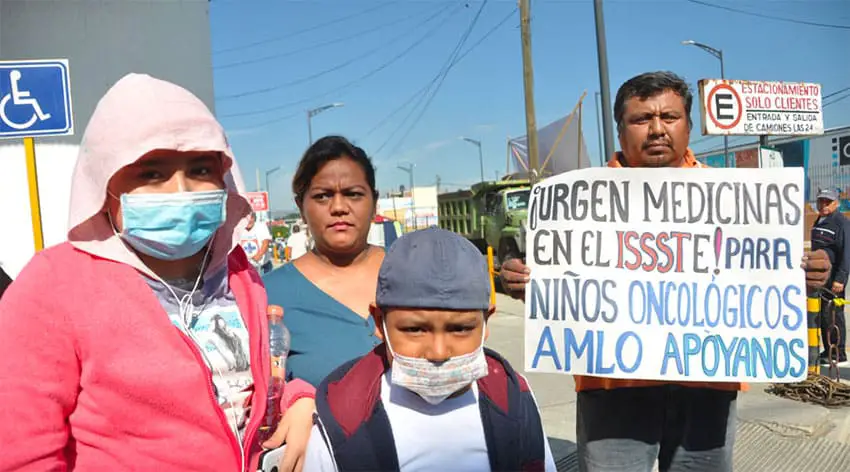
In light of the theft and ongoing shortage of cancer medications, a group of parents said they would hold a press conference in Mexico City on Tuesday to announce the legal action they will take to ensure the supply of drugs for their children. They also said they would provide an update on their discussions with federal authorities.
The Mexican Social Security Institute, a major health care provider, said in early September that it had agreed to meet with parents of child cancer patients on a weekly basis to inform them of efforts to supply life-saving drugs and discuss concerns.
Parents of children with cancer have protested against medication shortages on numerous occasions since last year, most notably in Mexico City where young patients have died after their treatment was delayed due to a lack of chemotherapy drugs.
Young cancer sufferers have also passed away in other parts of the country due to their inability to access medications. In Nuevo León, six children died in a period of just five days last month after their treatment was delayed by a drug shortage.
Source: El Universal (sp)