Currency exchange businesses, gas stations and food and beverage establishments are among 25 entities in Mexico sanctioned by the U.S. Department of the Treasury’s Office of Foreign Assets Control (OFAC) last week for their alleged ties to the Sinaloa Cartel.
Last Tuesday, OFAC also sanctioned 21 individuals who allegedly “serve as leaders or facilitators for the Sinaloa Cartel.” Among those people are Ismael Zambada Sicairos, son of imprisoned Sinaloa Cartel kingpin Ismael “El Mayo” Zambada García, and Carlos Alberto Torres Torres, ex-husband of Baja California Governor Marina del Pilar Ávila Olmeda.
“The 21 individuals and 25 entities designated include cartel leader Ismael Zambada Sicairos (a.k.a. ‘Mayito Flaco’), members of his innermost circle, and the Tijuana-based cell leaders, money launderers, and corrupt politicians who permit the Sinaloa Cartel to operate with impunity just miles from the U.S.-Mexico border,” the U.S. Treasury Department (Treasury) said in a statement.
“… As a result of today’s action, all property and interests in property of the designated or blocked persons … that are in the United States or in the possession or control of U.S. persons are blocked and must be reported to OFAC,” Treasury said.
“In addition, any entities that are owned, directly or indirectly, individually or in the aggregate, 50 percent or more by one or more blocked persons are also blocked.”
The U.S. sanctions are part of a broad crackdown on cartels by the Trump administration, which has designated the Sinaloa Cartel, the Jalisco New Generation Cartel (CJNG) and various other Mexican criminal groups as foreign terrorist organizations. U.S. prosecutors have also filed formal accusations of drug trafficking against various Mexican officials, including Sinaloa Governor Rubén Rocha Moya, who is on indefinite leave.
The sanctioned entities
The 25 sanctioned entities — almost all of which are located in Baja California — are affiliated with eight sanctioned individuals, according to the U.S. Treasury Department.

One of the sanctioned entities is a Culiacán-based hotel business, Servicios Hoteleros Gastelum, which Treasury said is owned by Hildegardo Gastelum García, described as “one of Mayito Flaco’s most trusted advisors, as well as a significant narcotics trafficker.”
Known as “Aldo,” Gastelum García “uses his illicit revenue streams to finance Los Mayos’ war against the Chapitos,” according to Treasury.
Los Mayos, a Sinaloa Cartel faction affiliated with El Mayo and Mayito Flaco, and Los Chapitos, a faction of the same cartel led by sons of imprisoned drug lord Joaquín “El Chapo” Guzmán, are engaged in a long-running dispute. The cartel infighting, frequently described as a “war,” intensified in 2024 after Zambada García was kidnapped by Joaquín Guzmán López, one of El Chapo’s sons, and forced onto a private plane that delivered both men to law enforcement authorities in the United States.
Among the other 24 sanctioned entities are the currency exchange businesses Galerias Centro Cambiario and Mia Centro Cambiario.
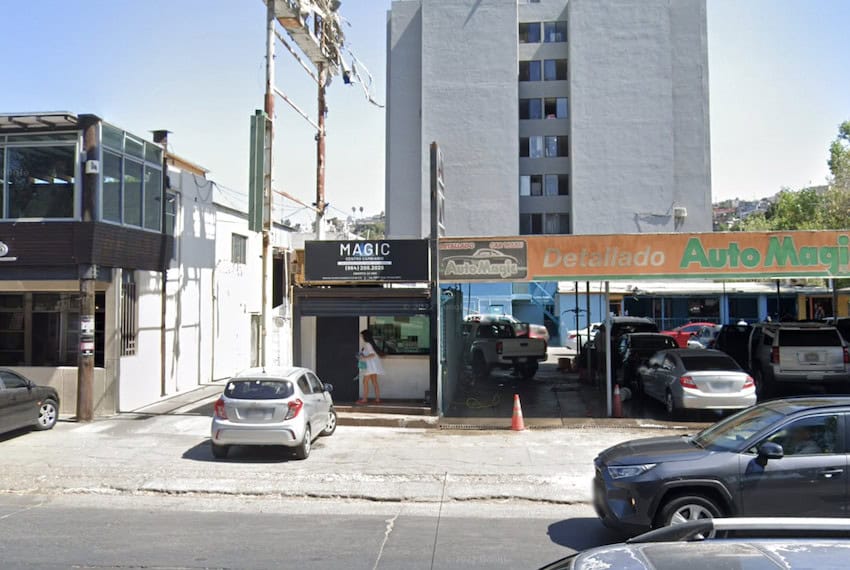
The former company, which is based in Tijuana and is also known as “Magic Casa de Cambio,” is owned by Ilia Elizabeth Félix Rivera, “a financial facilitator for Los Mayos,” according to Treasury.
“Félix uses her Tijuana-based money exchange … to work with complicit money exchanges in southern California to collect bulk cash narcotics proceeds from the United States, conduct mirror transactions, and transfer the funds back to Mexico, thus laundering the funds for Gordo Flubber and La Rana,” Treasury said, using the nicknames of two alleged Sinaloa Cartel operatives.
“Magic Casa de Cambio has a long history of ties to the Sinaloa Cartel; the money exchange’s previous owner and Felix’s former husband, Omar Guadalupe Ayon Diaz (Ayon), was arrested for laundering over $45 million through casas de cambio for the Sinaloa Cartel. Ayon was murdered in Tijuana in October 2023 on Gordo Flubber’s orders,” Treasury said.
Treasury said that Mia Centro Cambiario, located in the border city of Mexicali, is owned by “senior Sinaloa Cartel leader” José Ángel Rivera Zazueta. Zazueta uses the currency exchange business to “launder money for the Sinaloa Cartel, as well as a transportation company, Rivos Servicios,” Treasury said.
Rivos Servicios is also among the 25 sanctioned entities.
The other sanctioned entities include Xolo Gas de Baja California; Grupo Gasolinero Nueva Esperanza; The Woods Bar; Raes Restaurante; and Vida Orgánica Tijuana, a business that sells fresh juices and vegan products, among other goods.
Also sanctioned by OFAC for their alleged ties to the Sinaloa Cartel are businesses in sectors such as private security, entertainment and financial services.
The sanctioned individuals
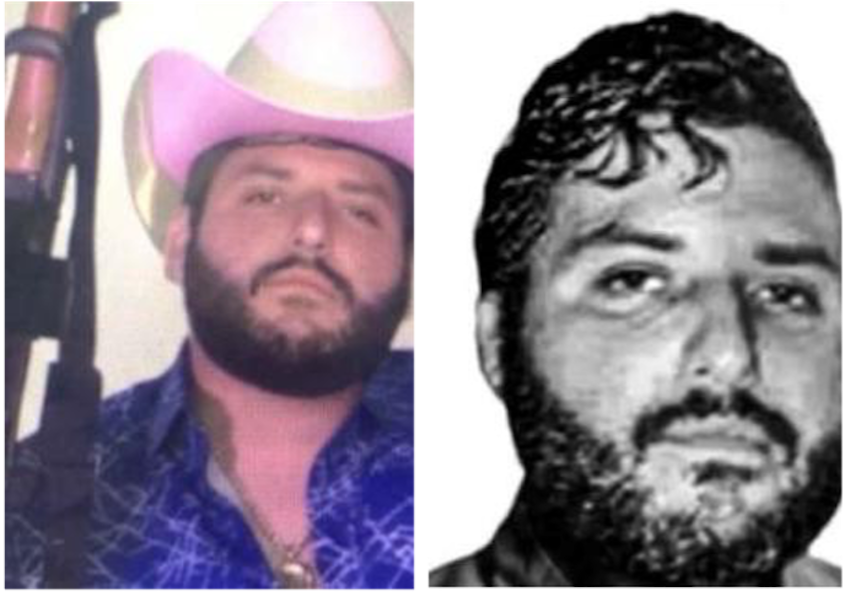
The most notorious of the 21 sanctioned individuals is Zambada Sicairos, aka Mayito Flaco.
Treasury said that Zambada Sicairos, a dual Mexican and U.S. national, “has risen to fill the leadership void left by his father’s arrest and is now the undisputed head of Los Mayos.”
“Mayito Flaco was born in Anaheim, California, in 1982. Despite attempts to obfuscate his cartel bloodlines by filing a U.S. name change to Fernando Sicairos Aispuro in 2001, Mayito Flaco has remained a key figure in the Sinaloa Cartel operations for the last two decades under his father’s tutelage,” Treasury said.
“A federal grand jury in the Southern District of California (SDCA) indicted Mayito Flaco in July 2014 alongside other high-profile Sinaloa Cartel leaders on a variety of drug trafficking and money laundering charges,” Treasury said.
“While some of his family members have been brought to justice, Mayito Flaco remains a fugitive in Mexico. Today, Mayito Flaco retains command and control over Los Mayos and is responsible for directing the group’s criminal activities, including drug trafficking, murder, extortion, corruption, and kidnapping.”
Treasury said that “Mayito Flaco relies on a group of trusted individuals to provide counsel and essential support to his operations.”
Members of that group, including Gastelum Garcia, were among the 21 individuals sanctioned by OFAC last week.
Among the other sanctioned individuals are:
- Brothers Jorge Luis Mendoza Uriarte (aka ‘Guero Chompas’) and Francisco Javier Mendoza Uriarte, described as “close associates” of Mayito Flaco.
- Lorenzo Castillo Maldonado, who, according to Treasury, “works directly for Guero Chompas and provides protection for Mayito Flaco.”
- Marco Antonio Moreno Gómez Santelices, a Tijuana-based associate of “a high-ranking Sinaloa Cartel money launderer” and the owner of “a network of security, real estate, and entertainment companies that also launder money for the Sinaloa Cartel,” according to Treasury. Moreno owns, controls or directs 10 of the 25 sanctioned entities, according to the Treasury.
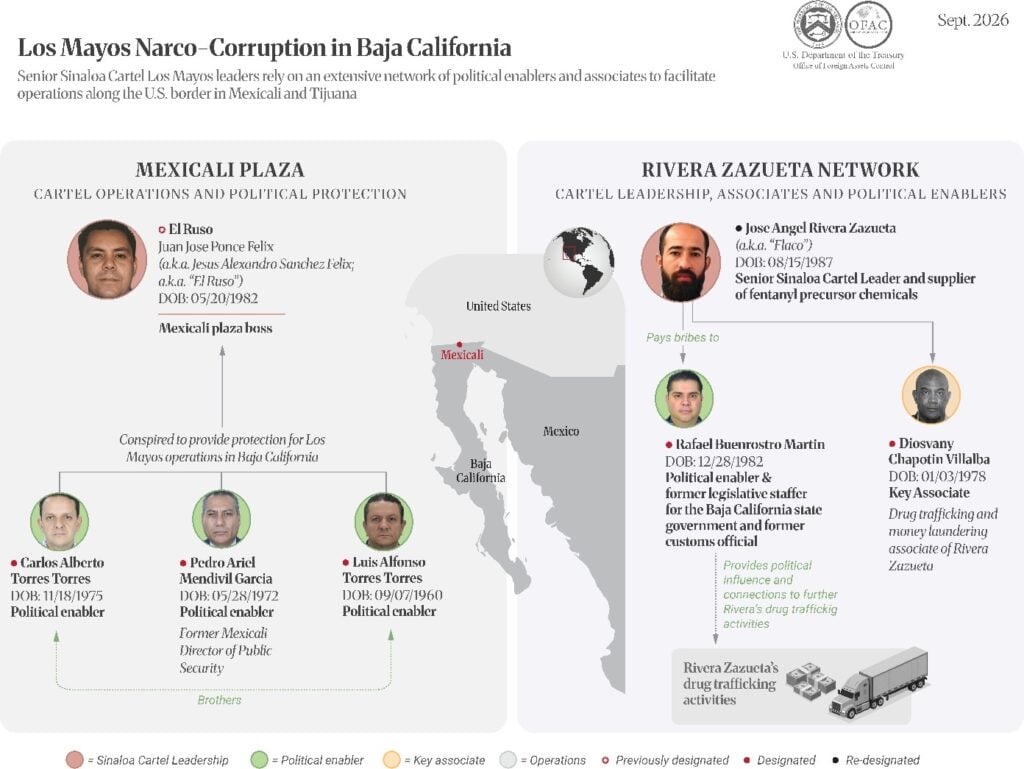
- Luis Alfonso Torres Torres, brother of Carlos Alberto Torres Torres, Governor Ávila’s ex-husband. Five sanctioned companies, including The Woods Bar and Raes Restaurante, are owned, controlled, or directed by Luis Torres, according to Treasury.
- Pedro Ariel Mendivil García, former director of public security in Mexicali and owner of gas station operator Grupo Gasolinero Nueva Esperanza.
In its statement, the Treasury Department said that “Sinaloa Cartel-enabled narco-corruption has reached the highest levels of the Baja California state government” and alleged that “[a]t the center of this narco-corruption scheme is the ex-husband of the Governor of Baja California, Carlos Alberto Torres Torres (Carlos Torres) and his brother Luis Alfonso Torres Torres (Luis Torres).”
Treasury said that Carlos Torres, a former federal and state deputy, is “a cartel-linked political operator who has an alliance with El Ruso.”
El Ruso is Juan José Ponce Félix, alleged leader of Los Rusos, a “Sinaloa Cartel Los Mayos sub-faction” that currently dominates the Mexicali plaza, according to Treasury.
Treasury said that Carlos Torres “uses his political influence to facilitate cartel activities and protect the Sinaloa Cartel from government and law enforcement intervention in Baja California.”
“The U.S. Department of State revoked Carlos Torres’s U.S. visa in May 2025 due to his cartel affiliation and work on behalf of the Sinaloa Cartel,” Treasury said. Torres denies the allegations leveled against him.
The U.S. visa of Governor Ávila was also revoked in May 2025. Avilá, who announced her divorce from Torres in October 2025, has denied any criminal wrongdoing, but in a telephone conversation earlier this year she said she was willing to cooperate with U.S. authorities, apparently in order to avoid possible criminal charges in the United States and extradition to that country. An audio recording of the conversation was published by the newspaper El Universal in July.
According to media reports, Avilá, a Morena party governor, was one of various people who originally invested in Vida Orgánica Tijuana, which was established in late 2020.
“A Sept. 10, 2026, rectification of deeds withdrew the governor from the company, just 19 days before the announcement of the U.S. sanctions,” the news outlet Infobae reported.
In its Sept. 29 statement, Treasury said that the “former Mexicali Director of Public Security, Pedro Ariel Mendivil García (Mendivil), also has an alliance with El Ruso.”
Mendivil, who was the public security director in Mexicali between 2021 and 2024, “received bribes from El Ruso in exchange for Sinaloa Cartel control of the Mexicali municipal police to facilitate drug trafficking and carry out cartel enforcement operations,” Treasury said.
“Carlos Torres also reportedly received monthly payments from Mendivil to allow the Sinaloa Cartel to operate with relative impunity in the state. Luis Torres was responsible for taking these bribes and laundering the illicit funds through companies and political campaigns,” the Treasury Department said.
With reports from El Financiero and Infobae