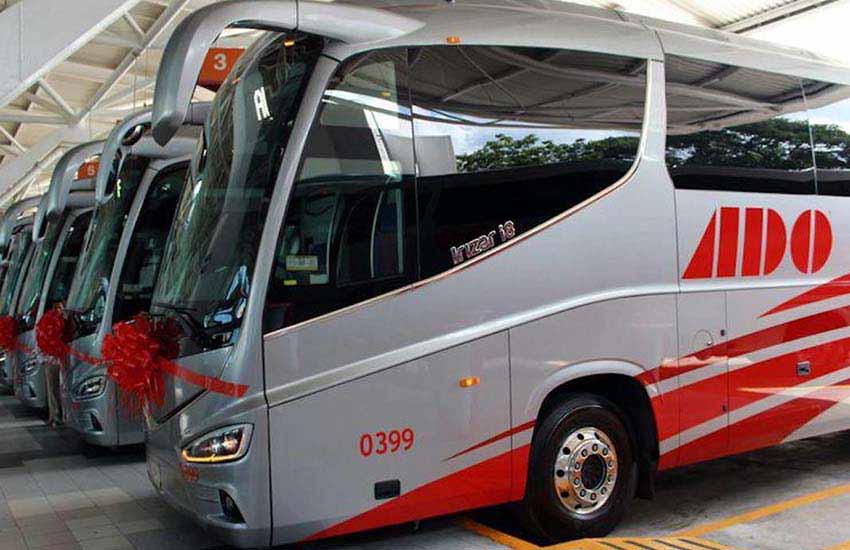
A group of national bus companies now requires that foreign passengers wishing to buy bus tickets show immigration documents in accordance with a request from the National Immigration Institute (INM).
“Based on the request from various state, federal and [INM] authorities and in the face of the extraordinary situation of the flow of migrants currently crossing the country, we would like to inform you that this protocol will be implemented,” Autobuses de Oriente (ADO) wrote on Twitter.
The company apologized for the inconvenience and emphasized that it was complying with a government request. It also recommended that anyone with questions about acceptable documentation contact the INM.
Other companies that will require immigration documents include Autobuses TAP, Enlaces Terrestres Nacionales (ETN) and Grupo Flecha Amarilla, which includes Primera Plus and Coordinados. Some companies specified that they would also require an official form of identification from Mexican customers.
The announcement followed a request by President López Obrador, who asked transportation companies not to serve migrants.
“We are asking them to help us … We are talking about Mexico’s national transportation companies, the companies make it their business to move migrants,” the president said.
With reports from Reforma and LatinUs