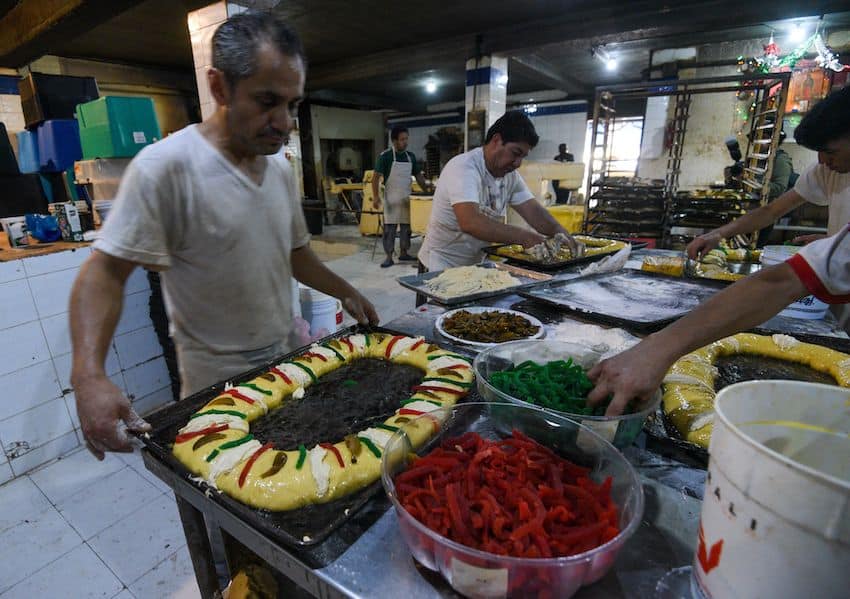
For centuries, acitrón, a crystallized sweet of a translucent yellow color, was a staple in traditional Mexican dishes such as Rosca de Reyes, chiles en nogada and regional sweets and stews.
However, it is now seldom found in Mexican households because the cactus known as “biznaga barril de acitrón” (Ferocactus histrix), which provides the ingredient for acitrón, has been overexploited and is at risk of extinction.
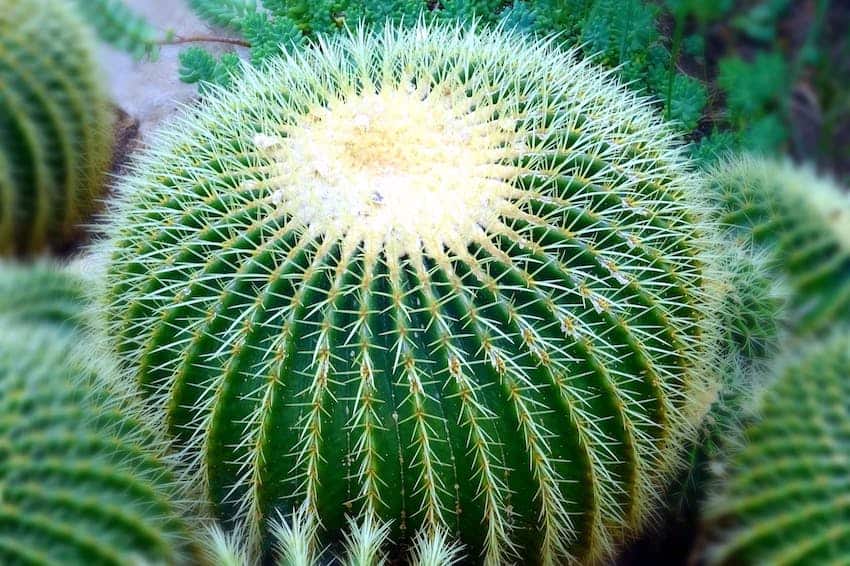
Mainly found in the Bajío and northern border states, the barrel cactus is on the verge of extinction in the wild. Due to its scarcity, it was listed in 2005 as a protected species under NOM-059.
“Mexico is the center of origin for the cactus family and also the country with the greatest diversity,” said María del Rocío Azcárraga Rosette, head of the Botany Laboratory at the Faculty of Higher Studies (FES) Cuautitlán of the National Autonomous University of Mexico (UNAM). Unfortunately, she added, because certain species are highly valued by collectors, they are removed from their habitats, leaving only juvenile populations that are incapable of regenerating.
Azcárraga explained that the barrel cactus cannot grow or reproduce at the rate demanded by the market, nor can it withstand constant harvesting. This means that to obtain acitrón, plants that take years or centuries to grow are destroyed, which reduces their populations and damages arid and semi-arid ecosystems.
“The fruit is sold for 10 pesos at market because it is collected in the field, but behind that is a cactus that takes centuries to regenerate,” she said.
The situation changed in 2015 when Azcárraga began to develop a technique to accelerate the germination of the cacti. Today, the botanical garden at the FES Cuautitlán has a bank of more than 1,500 specimens of the barrel cactus, some of which are already eight years old. To integrate them into the wild, scientists need to let them grow until they reach 20 centimeters — which will take nearly another decade — and their spines are much more developed to allow them to defend themselves from predators.

Azcárraga has said that in addition to being accessible and economical, her technique can be replicated to save other endangered species.
@elagroanalista 😱 El ACITRÓN está PROHIBIDO… ¿Sabes por qué? 🎂🌵 ¿Qué está pasando con la ROSCA DE REYES? #agricultura #alimentos #ciencia ♬ sonido original – El Agroanalista
“It is our duty as scientists to seek useful and accessible alternatives that the community can easily replicate,” he stated.
Thanks to Azcárraga’s work, the barrel cacti could be reintegrated into nature in a few years and eventually return sustainably to Mexican households. In the meantime, authorities and scientists have urged people to refrain from buying Roscas de Reyes that include acitrón — whose sale is prohibited by law in Mexico — and recommend alternatives like fruit paste (ate) and crystallized fruits like pineapple and cherries.
With reports from UNAM Global