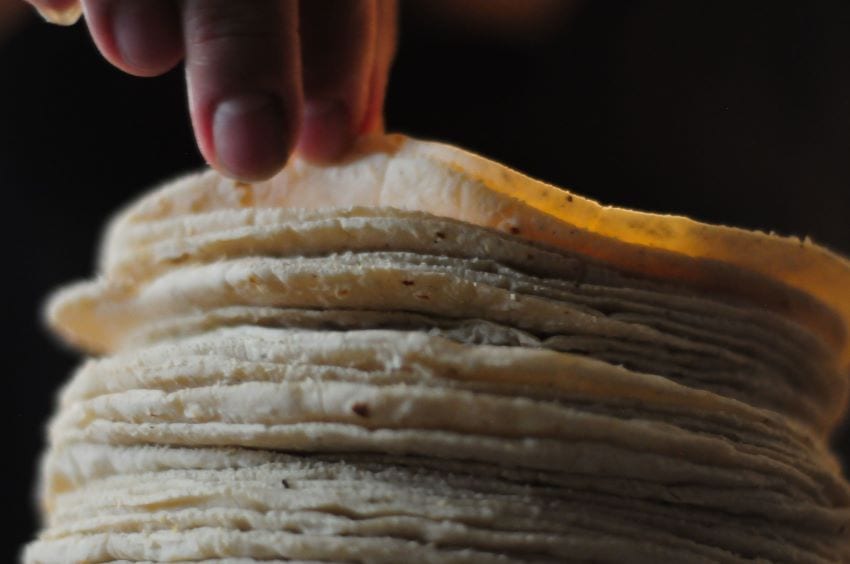
Researchers at the National Autonomous University of Mexico (UNAM) have developed a nutritionally fortified tortilla to help address the country’s obesity and malnutrition problems.
The tortillas are made through a double fermentation process and are fortified with protein, calcium, fiber, folic acid, probiotics, and prebiotics. The double fermentation process reduces pH (a measure of acidity and alkali) and increases the food’s shelf life so that artificial preservatives are not necessary.
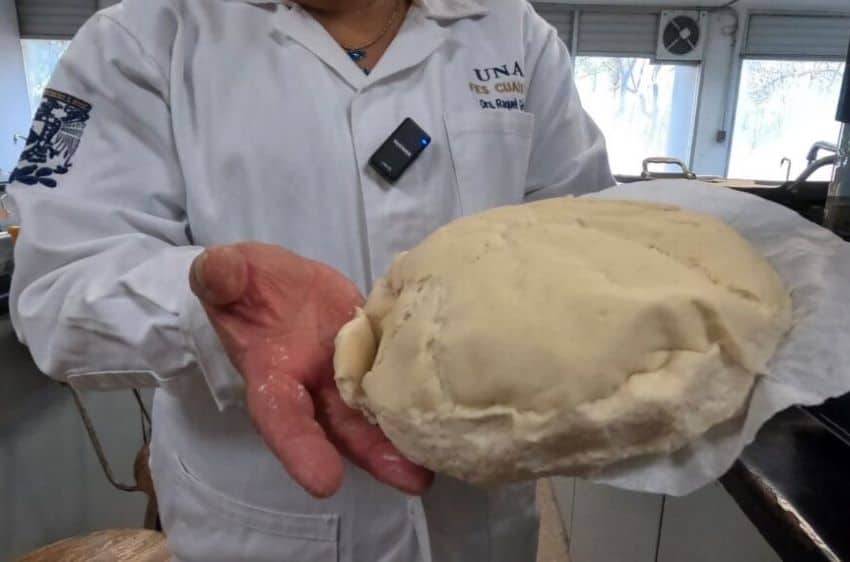
The addition of probiotics — living microorganisms — is beneficial to the health of the consumer, says Dr. Raquel Gómez, a microbiologist and a member of the UNAM research team.
“Living microorganisms are beneficial to our health,” she said. “They decrease plasma levels of lipids and chronic inflammation, which causes illnesses such as diabetes mellitus, obesity, Alzheimer’s, Parkinson’s and even cancer.”
The probiotics pass into the consumers’ gastrointestinal tract, where they help protect the so-called “good bacteria” in the body and promote digestive health.
Gómez said the tortillas are low in calories and eating two of them is equivalent to drinking a glass of milk. In fact, the tortillas are enriched with milk proteins, and the double fermentation process also eliminates the need for anti-clumping agents.
The researchers — professors and students at UNAM’s Food Engineering and Industrial Chemistry department at its Cuautitlán campus — say the tortillas can last more than one month at room temperature and over three months when refrigerated.

The increased shelf life and high nutritional value make the tortillas a viable alternative for remote communities where malnutrition and lack of electricity are issues.
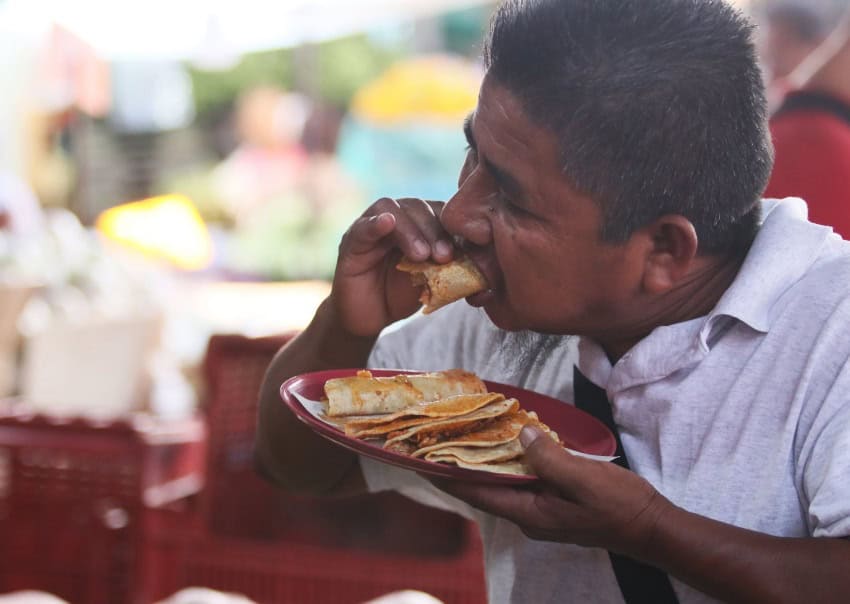
However, the double fermentation process means that, after a certain length of time, it is necessary to sprinkle a bit of water on the tortilla before it is reheated so it can recover its original texture and malleable properties.
Gómez said the tortillas are made by mixing all the ingredients and letting the masa, or dough, sit for two or three hours before it is shaped into tortillas and cooked.
The researchers tested the masa for humidity and texture to make sure it was sufficiently malleable to stretch and shape without tearing. Gómez said the use of probiotics and the double fermentation process made the masa more elastic and spongy without subtracting at all from the taste and smell.
The cooked tortillas were analyzed to ensure that the probiotics survived the entire process and chemical analysis was carried out to determine the amount of proteins, carbohydrates, fats, vitamins and minerals that remained.
The study was done exclusively with wheat flour, but Gómez said there is no reason that corn flour could not be used.
In February, the UNAM researchers were presented with the Mexican Institute of Industrial Property’s Innovation Award.
With reports from Infobae, Wired and UNAM Global TV