A ride on the Metro and a freshly made churro are essential Mexico City experiences. An unattended box on Line 7 last week showed why the two should not necessarily be combined.
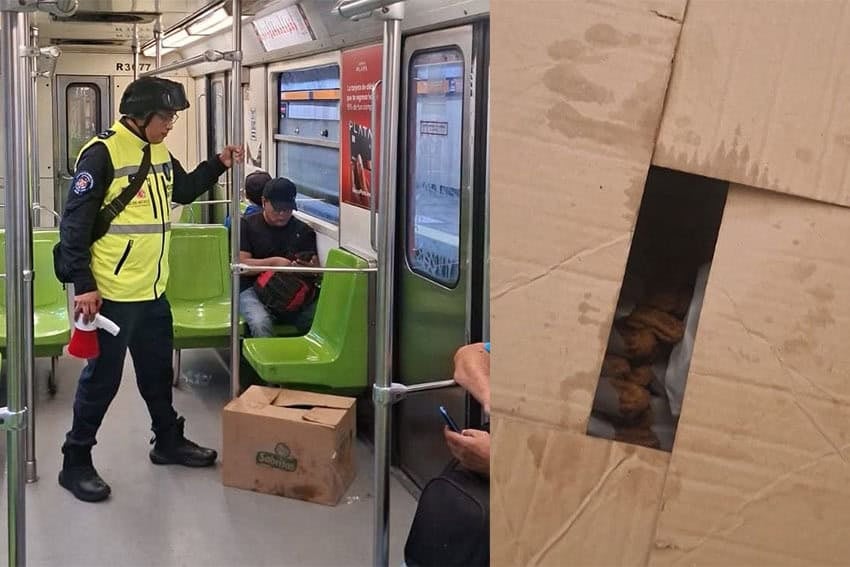
When a passenger reported an unattended cardboard box on a train traveling southbound from El Rosario toward Barranca del Muerto on Friday, Metro security personnel and officers from Mexico City’s Policía Bancaria e Industrial (PBI) sprang into action.
With the package sitting alone in a train car, the standard protocol for suspicious objects was triggered, according to media reports. Officers reportedly checked it for hazardous materials, explosive devices or other threats.
What they found was churros.
Photos circulated by the Metro system showed an open cardboard box filled with paper-wrapped pastries that appeared ready for sale. No injuries or service disruption were reported.
The train was halted at the Mixcoac station for the inspection, but there were no reports on whether passengers were evacuated from the car in question, much less the entire train.
The discovery quickly transformed a potential security alert into a social media anecdote. Commenters “mourned” the apparent vendor’s lost sales and joked that a forgotten phone would have drawn less concern than the churros did.

Metro authorities advise passengers not to open, touch, kick or move unattended packages, backpacks or boxes. Riders should instead notify security personnel via phone or a train intercom.
Line 7 links El Rosario in the northwest with Barranca del Muerto in the south, passing through the Polanco hotel zone, Chapultepec, and other busy commercial and residential areas of the capital. Before the pandemic, it averaged around 300,000 riders per day.
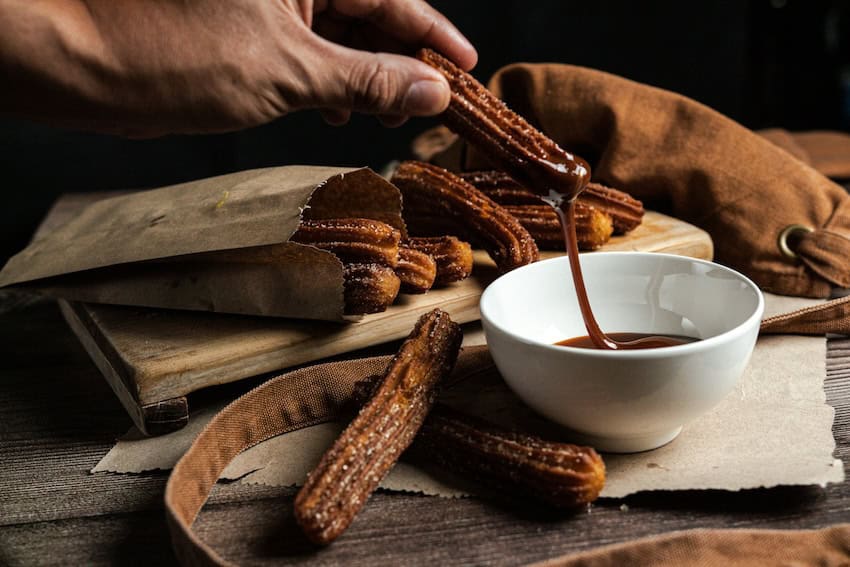
Churros, fried dough typically coated in cinnamon sugar and sometimes filled with cajeta, chocolate or cream, are a staple of Mexico City’s street-food scene. They are commonly sold hot at markets, fairs and sidewalk stands.
In Mexico City, one of the most well-known spots for churros is Churrería El Moro, the Mexico City-born chain founded in 1935, which has 17 locations in the capital and now three in Southern California: Costa Mesa, Los Angeles and La Habra.
With reports from López-Dóriga Digital, Infobae and Post