UNESCO declares vaquita marina habitat World Heritage in danger

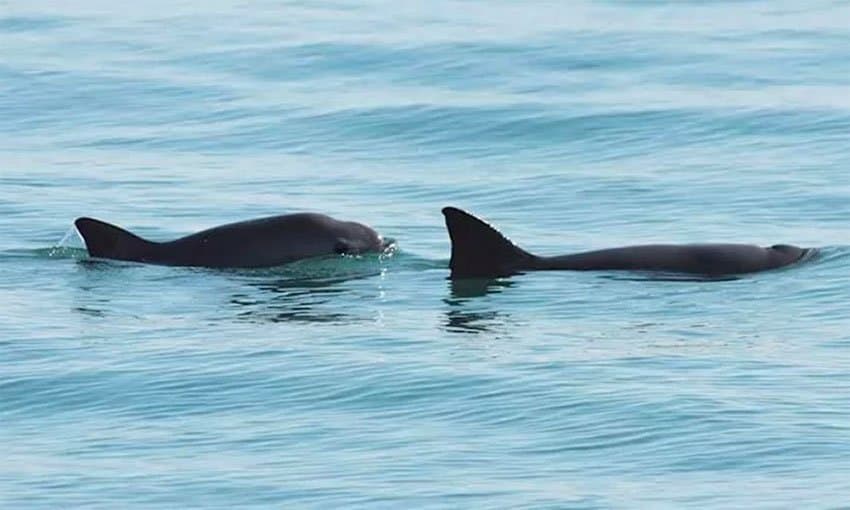
A group of islands and islets and coastal areas in the Gulf of California recognized by UNESCO as a World Heritage Site have been designated World Heritage in danger because of threats to the nearly extinct vaquita marina.

The UNESCO World Heritage Committee, at its annual meeting in Baku, Azerbaijan, asked Mexico to take action to prevent the extinction of the vaquita and stop the use of gillnets in its habitat. The committee also asked other countries to crack down on illegal trafficking of totoaba swim bladders.

Being included on the list of World Heritage sites in danger is regarded as an opportunity to call international attention to the issue and for a member state to work with UNESCO on a comprehensive conservation strategy, so that the site can eventually be removed from the list.

Mexico has already taken action to protect the vaquita, including the creation of a protected area for the remaining animals and promoting alternative fishing techniques to gillnets, in which the vaquita become bycatch. But critics charge that Mexico has not done enough to enforce a prohibition against fishing within the vaquita habitat.

The population has been declining rapidly, and today there are only an estimated 10 remaining, compared to almost 300 in 2005.

The decline in the vaquita population is mostly the result of illegal fishing of totoaba, a large fish that is also endemic to the Gulf of California. Totoaba are prized for their swim bladders, which are considered a delicacy in Asia.

The Islands and Protected Areas of the Gulf of California covers 244 islands, islets and coastal areas that have a high level of biodiversity, with 891 species of fish and 695 species of plants. The site is also home to 39% of all the marine mammal species in the world.

In March, the government announced new plans to protect the vaquita, which included promoting vaquita-safe fishing nets and marking vaquita habitats with buoys. But some environmentalists say the measures don’t go far enough, and what’s needed are floating barriers to keep fishing boats out of the vaquita habitat.

Mexico News Daily

Have something to say? Paid Subscribers get all access to make & read comments.
Manzanillo, Colima, México, 13 de marzo de 2026. La doctora Claudia Sheinbaum Pardo, presidenta Constitucional de los Estados Unidos Mexicanos en conferencia de prensa matutina, “Conferencia del Pueblo” desde Colima. La acompañan Indira Vizcaíno Silva, gobernadora Constitucional del Estado de Colima; Omar García Harfuch, secretario de Seguridad y Protección Ciudadana (SSPC); Raymundo Pedro Morales Ángeles, secretario de Marina (Semar); Bulmaro Juárez Pérez, divulgador de lenguas originarias, presentador de la sección “Suave Patria”; Ricardo Trevilla Trejo, secretario de la Defensa Nacional (Sedena); Jesús Antonio Esteva Medina, secretario de Infraestructura, Comunicaciones y Transportes; Bryant Alejandro García Ramírez, fiscal general del Estado de Colima; Fabián Ricardo Gómez Calcáneo; Rocío Bárcena Molina, subsecretaria de Desarrollo Democrático, Participación Social y Asuntos Religiosos de la Secretaría de Gobernación; Efraín Morales López, director general de la Comisión Nacional del Agua (Conagua); Marcela Figueroa Franco, secretaria ejecutiva del Sistema Nacional de Seguridad Pública (SESNSP) y Guillermo Briseño Lobera, comandante de la Guardia Nacional (GN). Foto: Saúl López / Presidencia

Mexico’s week in review: Congress deals Sheinbaum her first legislative defeat

0
The week of March 9 in Mexico was marked by standoffs between allies in Congress and adversaries at the airport. Here's what you missed.
A soldier displays seized handguns

The US and Mexico, growing together and growing apart: A perspective from our CEO

1
From a historic drop in homicides to opposite bets on electric vehicles, Mexico News Daily's CEO breaks down where the U.S. and Mexico are converging — and where they're not.
Veracruz Gov.

Veracruz governor blames private vessel for 200-kilometer Gulf Coast oil spill

1
The spill, which has spread to over 200 kilometers of Mexico's Gulf Coast beaches, has been traced to a private oil tanker off the coast of Tabasco.
BETA Version - Powered by Perplexity