The United States is sending agents to the Mexico-Guatemala border to attempt to stem migration flows from Central America to the United States, according to a report by The Washington Post.
The plan follows an agreement between the governments of U.S. President Donald Trump and Guatemala President Jimmy Morales, the report said.
An unnamed source said the 80 personnel will act as advisers to Guatemalan security forces to break up human smuggling networks.
Acting Department of Homeland Security (DHS) Secretary Kevin McAleenan was in Guatemala last week to meet with government representatives from the Northern Triangle region, which also includes Honduras and El Salvador. On Tuesday, he signed an agreement with the Guatemalan interior minister on security cooperation.
“Through our continued collaboration and partnership, the U.S. and Guatemala are formalizing a number of initiatives to improve the lives and security of our respective citizens by combating human trafficking and the smuggling of illegal goods,” said McAleenan.
A DHS press release stated that “areas of cooperation include increasing the security of the Guatemalan border to stem the flow of illegal migration.”
The release did not mention the deployment of U.S. agents to Guatemala.

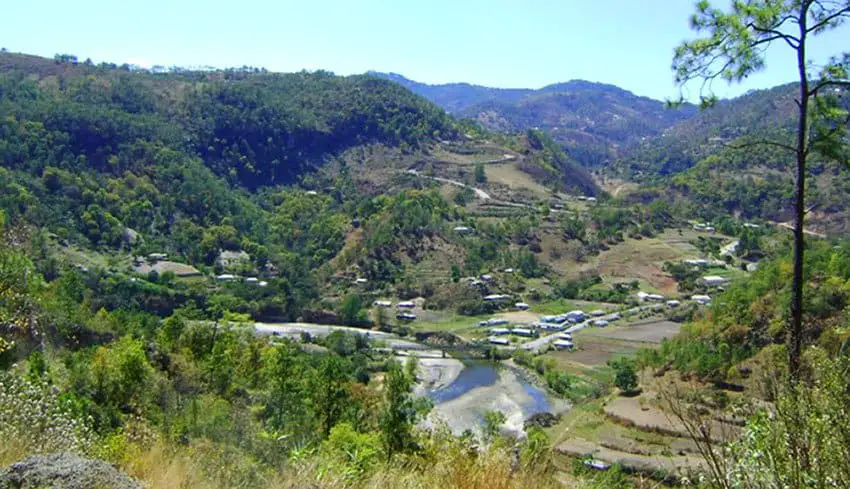
According to sources who spoke with The Washington Post, the operation will be focused on Huehuetenango in the western highlands of Guatemala, which borders the Mexican state of Chiapas.
Huehuetenango has some of the highest emigration levels in Guatemala. DHS officials say that the region has lost 3% of its population to U.S.-bound emigration in the past seven years.
Since October, more than 400,000 migrants have crossed the U.S.-Mexico border without documents.
Source: Milenio (sp), The Washington Post (en)