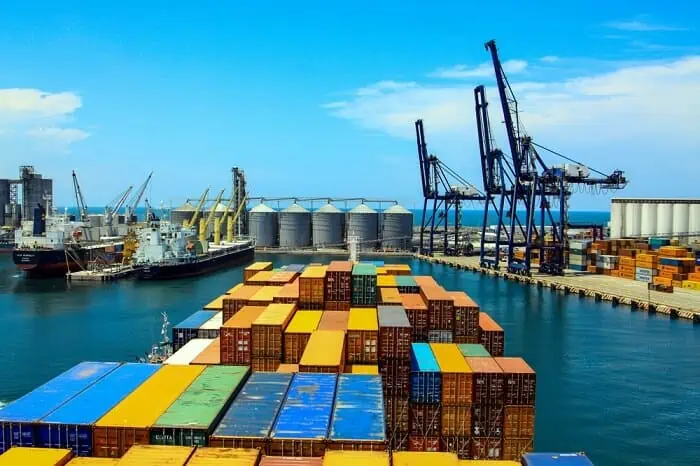
The Supreme Court (SCJN) has halted the Port of Veracruz expansion project on environmental grounds in a ruling that protects the Veracruz Reef System (SAV).
Justices ruled unanimously on Wednesday that the federal Environment Ministry (Semarnat) violated the human right to a healthy environment by authorizing the expansion of the port without having previously analyzed “each of the different environmental impacts the project … could cause.”
They also determined that the ministry didn’t act in accordance with “the best available scientific information” and that “the project and the works linked to the same were analyzed in a fragmented way.”
The court’s ruling came in response to an injunction request filed by the Mexican Center for Environmental Law (CEMDA) on behalf of Veracruz residents.
“CEMDA filed this injunction, together with the community, to protect and contribute to the conservation of the Veracruz Reef System, as well as the reefs and the services they provide, since they are key to the well-being of the people living in the Veracruz-Boca del Río-Medellín region,” said Xavier Martínez Esponda, the center’s technical operations director.
The SCJN ruling annuls the authorization for the port’s expansion and orders a complete re-evaluation of the project’s environmental impacts and determination of the consequent viability of the project, said Earthjustice, a United States-based environmental nonprofit organization that submitted an amicus brief in support of CEMDA’s lawsuit.
“The decision indicates that the country’s highest court supports making the environmental principles of prevention and precaution much more ingrained in the decision-making process of infrastructure projects,” the organization said in a statement. “It signals to authorities and investors that it is more expensive to not completely evaluate their projects with accuracy than to comply in time and form with the Environmental Impact Assessment.”

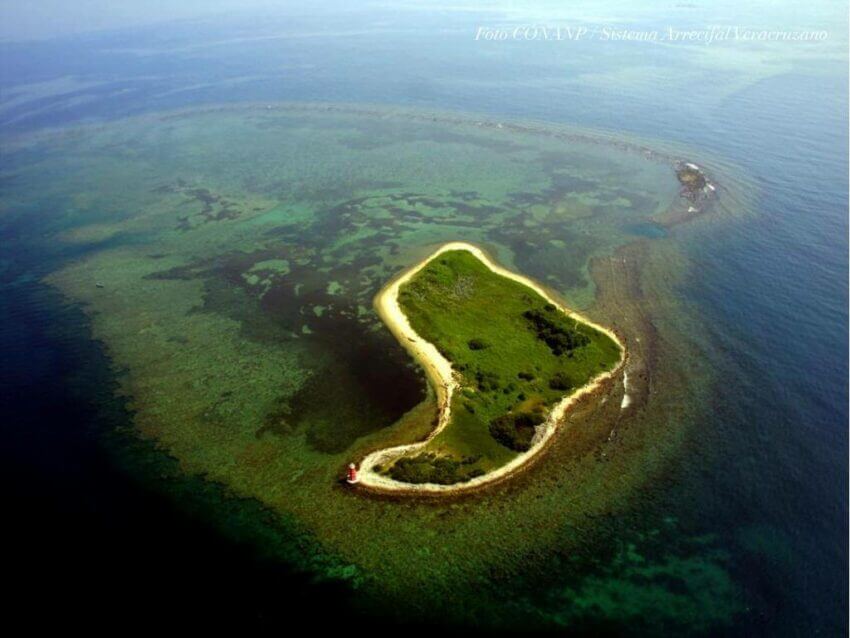
Earthjustice also said that the ruling will “protect the vulnerable reef, home to sea turtles and other critical ecosystems, that is globally recognized as a UNESCO biosphere reserve and Ramsar Wetland of International Importance.”
The SCJN ruling stated that “the protection of wetlands is a national and international priority that has led our country to issue a strict regulation of this ecosystem and … any analysis made in relation to wetlands must be guided by a criterion of maximum precaution and prevention.”
The SCJN instructed Semarnat to draw up a plan for the protection and restoration of the reef affected by the port expansion project. The project could resume at some point in the future as long as the expansion avoids adverse impacts to the SAV. CEMDA said in a statement that “the case is a precedent that will transform the way in which Semarnat and state authorities carry out environmental impact assessments in the country.”
The SAV is the largest reef system in the central region of the Gulf of Mexico and hosts the greatest biodiversity of species in the western region of the same body of water.
With reports from Animal Político