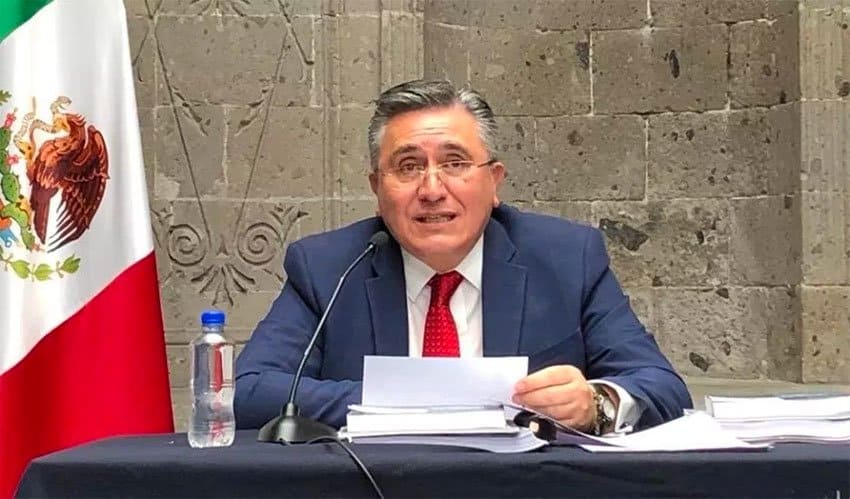
The president of the National Human Rights Commission (CNDH) has identified violations by the new government in health and public security and charged that human rights don’t appear to be a priority for President López Obrador and his administration.
Luis Raúl González said the government’s austerity measures and its fight against corruption must not be allowed to hinder people’s ability to access public health care.
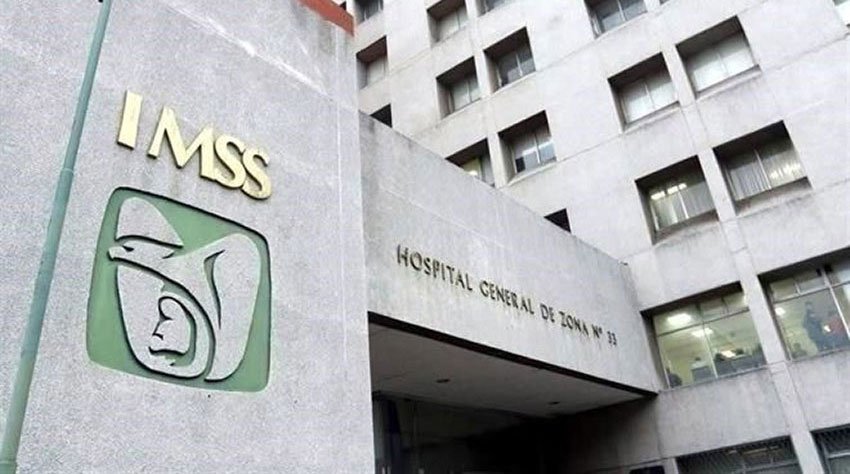
Hospitals and national health institutes warned last month that they were on the brink of insolvency due to federal budget cuts and the freezing of funds. Shortages of doctors, nurses and medicine were among a range of problems faced by hospitals in at least 24 states as a result of the cuts.
“It’s clear that the health sector presented serious challenges and deficiencies in 2018. However, the outlook with which 2019 has begun doesn’t allow us to infer that this situation could turn around in the current year,” González said yesterday while presenting the commission’s 2017-18 report.
The CNDH chief described evidence of the “worsening of the crisis” in the health sector as “worrying.”
“Nobody can be opposed to the public budget being allocated and exercised better, nor to acts of corruption being investigated and punished” but medical care must not be put at risk as a result.
He also that the government’s response to high levels of violent crime is inadequate, charging that a comprehensive and preventative public security strategy – rather than a reactive one – is needed.

Prevailing rates of violence against women, frequent attacks on journalists and human rights defenders, the escalating number of lynching cases, the continued occurrence of abductions and a worsening of violence towards prison staff, police and members of the armed forces serve as evidence of “the need to tackle the insecurity and violence crisis” with a “real strategy that prioritizes [crime] prevention and is not limited to . . an eminently reactive force as is the National Guard,” González said.
The human rights ombudsman charged that in the six months since the new government took office, “incidents, acts and oversights are beginning to accumulate that, seen as a whole, make us assume that” the respect of human rights is not a “premise” on which the government is based.
He claimed that the López Obrador administration is “not adopting pertinent measures” to confront the problems Mexico faces in a range of different areas including those within the realm of human rights.
“Hopefully respect for human dignity really finds a space and place within the policies, plans, programs and actions of the government . . .” González said.
“Criticism of civic groups and groups of journalists, and the need to avoid comments that divide or polarize people, are things that should be examined to ensure better protection for human rights,” he asserted.
López Obrador acknowledged today that he has polarized Mexico, stating that he had done so because not everyone agrees with his anti-corruption and anti-poverty measures.
He also said that the comments made by the CNDH president are valid and that his government would accept all the commission’s recommendations.
However, the president insisted that the defense of human rights is a fundamental premise of his government and pledged that any shortcomings will be rectified.
“. . .If there are things to do to comply with human rights recommendations, [to address] human rights violations, we’ll get up to speed, they’ll be dealt with . . .”
Source: El Universal (sp), Noticieros Televisa (sp)