Drinking water has been steadily returning to Tijuana and Playas de Rosarito, Baja California, as of last Sunday, after several days of a major outage.
The shortage affected approximately 691 neighborhoods in Tijuana and Playas de Rosarito due to interconnection and rehabilitation work on the Florido-Aguaje Aqueduct, a key infrastructure component that supplies water to more than 1.3 million residents in the region.
“Since Sunday, we’ve been re-establishing service to all the neighborhoods affected,” said Jesús García Castro, head of the Tijuana State Public Services Commission (Cespt). “Everyone should be back online by early this week.”
Water supply was gradually restored starting at 6 p.m. on Sunday, with authorities warning that it would take up to 36 hours for full restoration. That same day, Cespt reported that water service had been restored to over 300 neighborhoods in Tijuana.
On Tuesday, Cespt reported that 5% of the affected areas were still limited to intermittent water flow, marking a week since the outage.
The president of the Downtown Merchants Association, Guillermo Díaz Orozco, told the newspaper El Sol de Tijuana that hotels and restaurants without storage tanks have been the most affected, with estimated economic losses of up to 15%.
Households have also been affected, as money that was destined for food and other goods had to be diverted to buying water.

“Our routine is disrupted,” Ana García, a resident in one of the affected neighborhoods, told El Sol de Tijuana. “We avoid cooking to prevent creating a mess, and this also impacts our finances, since we have to eat out. We can’t maintain proper hygiene.”
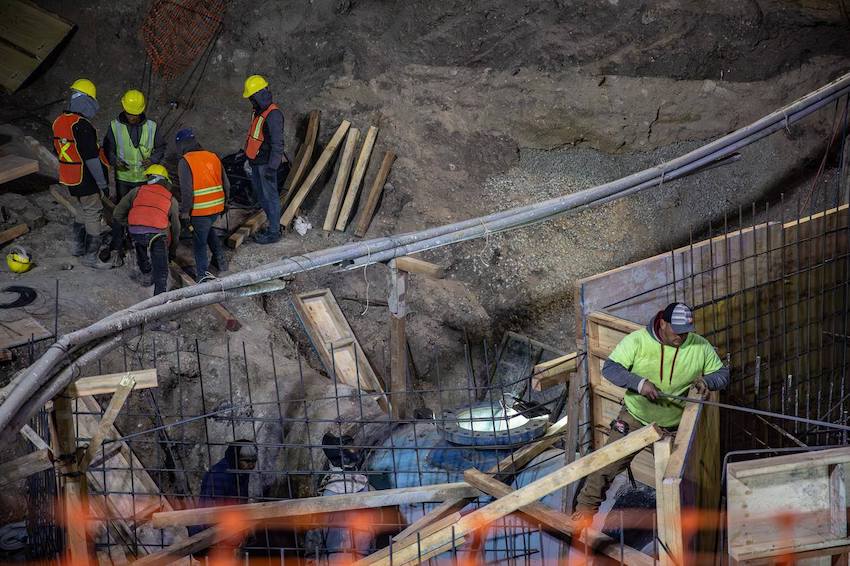
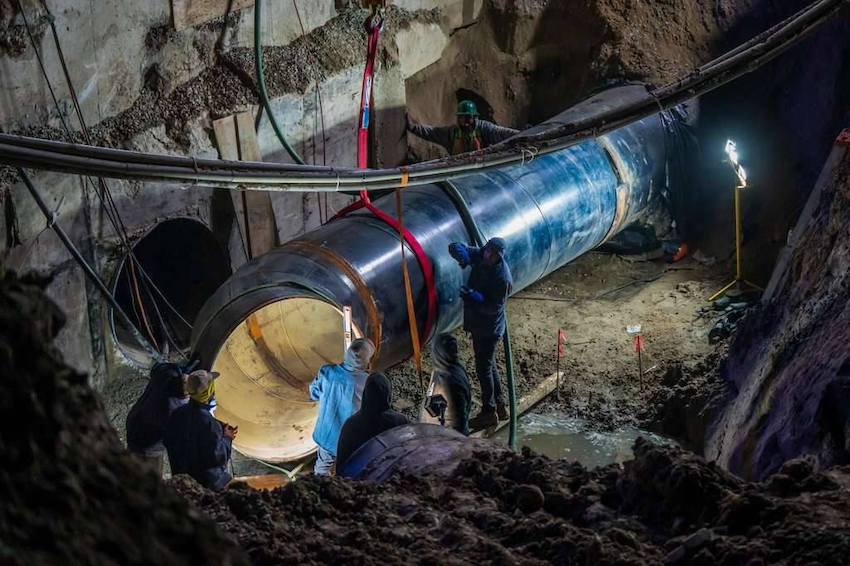
According to authorities, work on the Florido-Aguaje Aqueduct took some 86 hours. The tasks included replacing pipe sections, repairing leaks and upgrading infrastructure to improve system efficiency and reduce future failures.
García said that the renovation work was unexpectedly delayed by the need to unearth an old storm drain used more than 70 years ago as irrigation for former agricultural areas. Another reason was that houses in the area are located almost on top of the aqueduct.
That renovation work was scheduled to be completed on Saturday morning, but was extended until Sunday evening.
Authorities have asked affected residents to continue reporting water shortages. “We want to thank everyone for their patience and we want to apologize for the delays,” García said.
With reports from El Sol de Tijuana, San Diego Red, El Imparcial, Border Report and Milenio