A man died of Primary Amoebic Meningoencephalitis (PAM) in a Mérida hospital last week, most likely from contact with the brain-eating amoeba Naegleria fowleri, the Yucatán Health Services (SSY) reported on Monday.
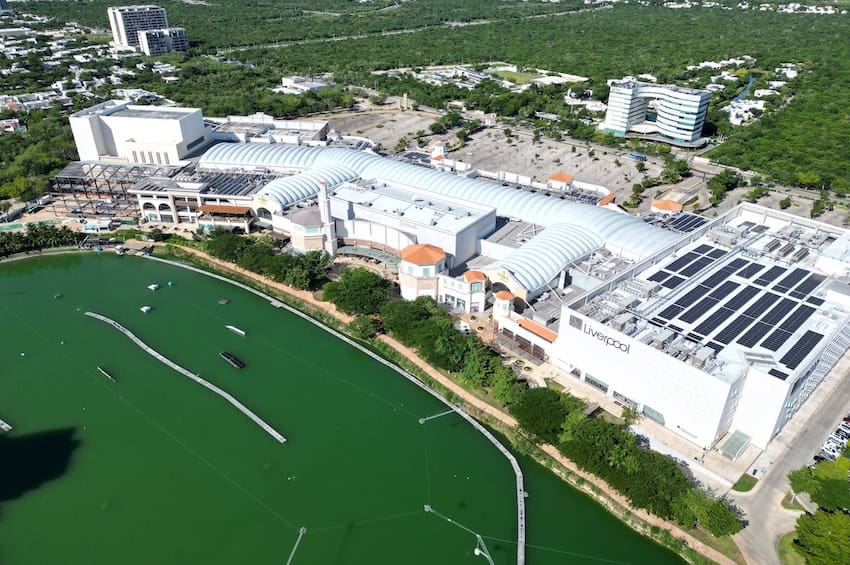
The SSY confirmed the presence of N. fowleri in an artificial lake at the La Isla shopping center in Mérida, where the 34-year-old man worked as a water sports instructor.
FAMILIARES DESPIDEN A CARLOS, INSTRUCTOR QUE F4LL3C10 POR AMEBA COME CEREBROS#Video | Familiares y amigos despidieron con tristeza a Carlos, el joven instructor de wakeboard de 33 años que perdió la v1d4 tras contraer una agresiva infección por la ameba ‘Naegleria fowleri’ en… pic.twitter.com/f57zIqs8Ly
— Yucatán Ahora (@yucatanahora) September 15, 2026
“It is a serious and extremely rare disease; this is the first case registered in Yucatán,” the SSY said in a statement.
The microorganism is most commonly found in stagnant, warm waters between 35°C and 46°C. It enters the body when contaminated water is forcefully inhaled through the nose, although it can also occur while swimming, diving or submerging one’s head in lakes, rivers or poorly chlorinated swimming pools.
PAM is not transmitted from person to person and is not acquired by drinking contaminated water, the SSY emphasized.

People living in the Yucatán capital have expressed concern about the water quality in nearby cenotes, where swimming is common. However, experts suggest that natural freshwater bodies are cooler, at between 24°C and 26°C, making the presence of N. fowleri far less likely.
The development of microorganisms in pools can be avoided through chlorination and pH management, and in larger water bodies through adequate water movement, which promotes aeration. Regular cleaning and maintenance can also help avoid the accumulation of sediment, organic matter, algae and biofilms in stagnant water, conditions that attract N. fowleri.
The first symptoms of PAM are usually severe headache, fever, nausea and vomiting. According to initial reports, the victim presented with severe symptoms of central nervous system infection and was taken to a hospital in the city, where he died.
Health authorities ordered the temporary closure of the water feature at La Isla while samples were tested at the Hidalgo State Public Health Laboratory, which confirmed the presence of N. fowleri. Meanwhile, cleaning efforts and technical inspections were carried out at the site.
Epidemiological investigators are conducting interviews to locate other individuals who may have come into contact with the water.
The SSY said it plans to investigate the companies responsible for water quality and lake maintenance for their compliance with Mexican rules and regulations.
“Anyone who has violated health regulations will be sanctioned,” the SSY stressed.
According to the SSY statement, once the responsible company demonstrates through laboratory tests that the lake water is suitable for recreational use in accordance with legal standards, a new verification and sampling of the water will be conducted and a decision will be made on whether to lift the temporary closure.
With reports from Reportur, La Jornada and Diario de Yucatán