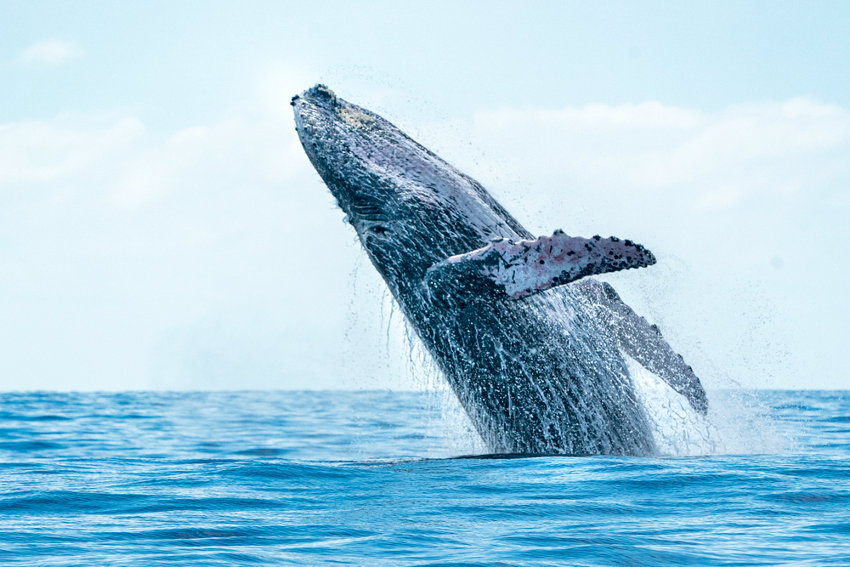
Whale-watching dates for the upcoming season were published in the government’s official gazette on Oct. 19, as well as rules that apply to observation spots and restricted zones in eight states on the western coast of Mexico: Baja California, Baja California Sur, Nayarit, Jalisco, Sinaloa, Sonora, Oaxaca, and Guerrero.
The whale-watching season will go from mid-December to April in most states, though in Baja California the whales can be observed all the way to mid-May and in Guerrero the season ends as early as March.
Every year, as the northern ice pushes southward, whales migrate from the cold Bering and Chukchi seas near Alaska to Mexico’s warm Pacific coastal waters to breed, attracting a great number of tourists to watch the migration.
According to the International Whaling Commission, Mexico is now the most popular whale-watching destination outside the United States.
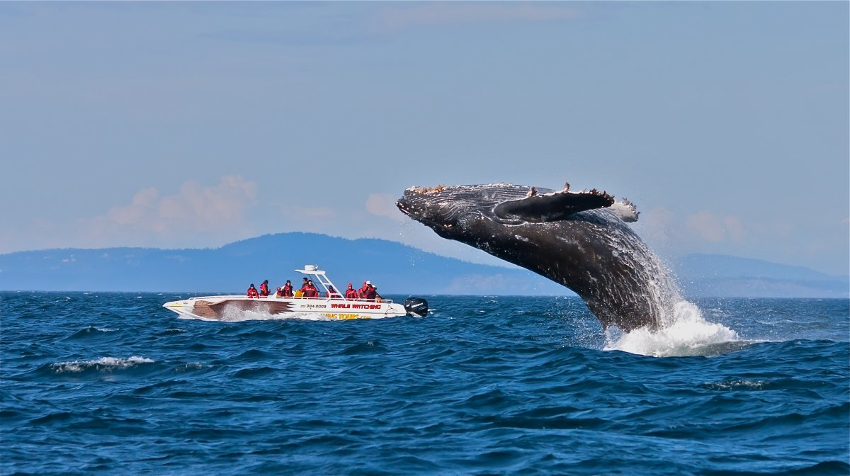
Whale-watchers can spot grey, blue, and humpback whales on their journey along most of Mexico’s Pacific coastline. To protect the natural habitat of the whales, the Ministry of the Environment and Natural Resources (Semarnat), in accordance with current Mexican environmental laws, has restricted access to certain areas.
In the Baja Peninsula, whale-watching is banned in a 2-kilometer zone around the Arch of Cabo San Lucas as well as offshore from Punta Ballenas in order to prevent excessive conglomeration of boats.
For the same reason, the Bahía de Acapulco and the Bahía de Puerto Marqués – both in the municipality of Acapulco de Juárez – have also been designated as off-limits.

To prevent disturbing whales with newborn calves, an area from Punta Mita to the mouth of the Ameca River has been made a restricted zone.
With reports from Aristegui Noticias