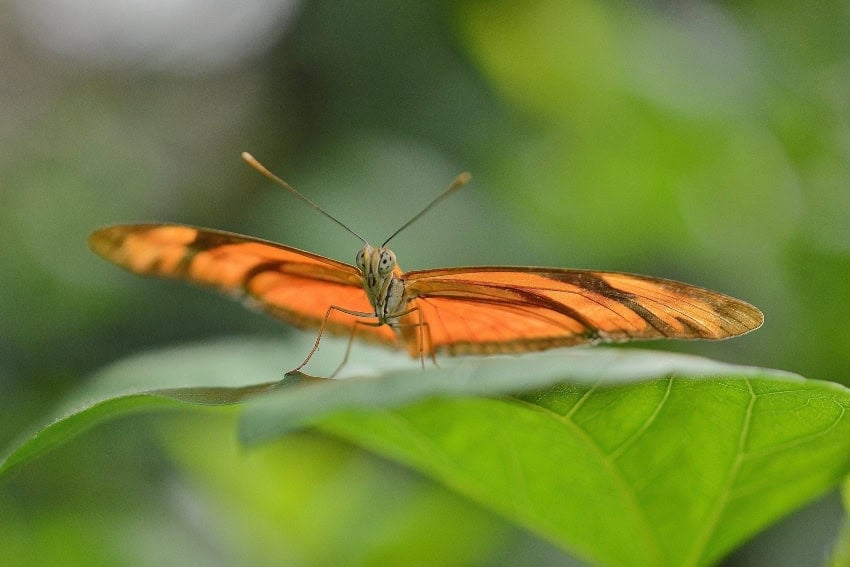
Just outside of Puerto Vallarta proper, a narrow hillside road leads to something most visitors never think to look for. People come to this part of Mexico expecting beaches, sunsets and margaritas on the malecón. And that’s fair. Puerto Vallarta does those things extremely well.
But a few miles inland, tucked into the green hills, sits a place that offers something completely different: Mariposario Jardín Mágico, a small butterfly sanctuary that quietly reminds you there’s more to the region than sand and ocean.
The butterfly sanctuary
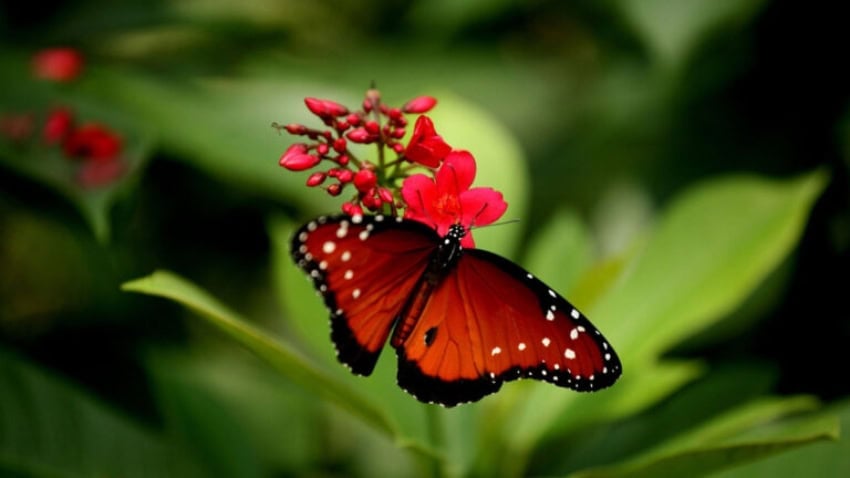
At first glance, it doesn’t feel like a typical tourist stop. There’s no giant entrance sign and no crowds lining up for tickets. Instead, you walk through a wooden gate and step directly into a living garden.
Plants spill over narrow paths. Flowers lean towards the sunlight. And if you pause for a moment, you start noticing movement.
Butterflies.
Lots of them.
They drift through the garden in slow, unpredictable patterns. Some flash bright colours when sunlight hits their wings, then disappear the moment they land.

A vivid blue morpho butterfly glides across the path like a piece of blue glass, catching the light. When its wings close, the brilliant colour vanishes completely, replaced by dull brown camouflage.
It’s the kind of small, natural trick that makes you stop and look twice.
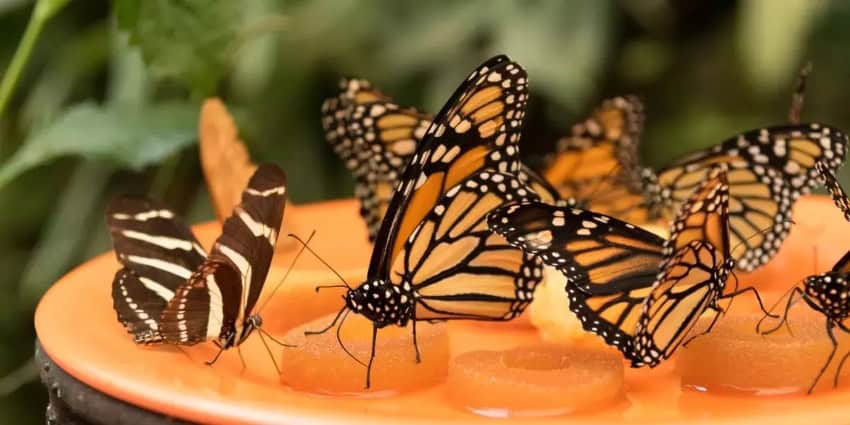
Further down the path, a few Monarch butterflies float between flowering plants, moving with a steady, almost effortless rhythm. They’re quieter flyers than the morphos, less flashy, but just as captivating when you take the time to watch them.
That’s really the secret of the sanctuary. It rewards patience.
The life cycle of a butterfly
The garden isn’t massive, but it’s carefully designed to support the entire life cycle of several butterfly species.
Every plant has a job. Some feed caterpillars, others produce nectar for adult butterflies, and shaded branches provide safe places for chrysalises to hang undisturbed.
Look closely beneath a leaf and you might find a caterpillar slowly working through its next meal. Nearby, tiny chrysalis pods hang from stems like little ornaments. They look still, almost decorative, but inside them, a complete transformation is happening.
A caterpillar dissolving and rebuilding itself into something entirely different.
The staff at the sanctuary are quick to point these things out. They’ll show visitors the host plants where butterflies lay eggs and explain how specific species rely on specific plants to survive. Without those plants, the butterflies simply wouldn’t exist.
It’s a reminder that ecosystems run on relationships; those quiet connections that most of us rarely notice.
The garden itself feels relaxed and unpolished in the best way. You won’t find loud music or flashy displays here. Instead, visitors wander slowly along shaded paths, occasionally stopping when a butterfly passes close enough to admire.
Sometimes one even lands nearby. Not because anyone trained it to, but simply because the garden belongs to them as much as it does to the people walking through it.
Transformation
Children tend to gravitate towards the caterpillars. Watching one inch along a leaf might seem like the slowest show on Earth, but once someone explains that the tiny creature will eventually become a butterfly, suddenly everyone pays attention.

Transformation has a way of doing that.
There’s also a cultural layer to the story. In Mexico, the return of monarch butterflies each year often overlaps with Día de los Muertos. In many communities, the butterflies are believed to carry the spirits of loved ones returning home during the celebration.
Whether taken as tradition or symbolism, the idea fits surprisingly well when you’re standing in a garden filled with drifting wings.
What makes the sanctuary special isn’t just the butterflies themselves. It’s the contrast.
Something else entirely
Visitors come to Puerto Vallarta expecting sun, sand and ocean views. They imagine beach umbrellas, boat tours and margaritas served with salt on the rim.
And all of that is here.
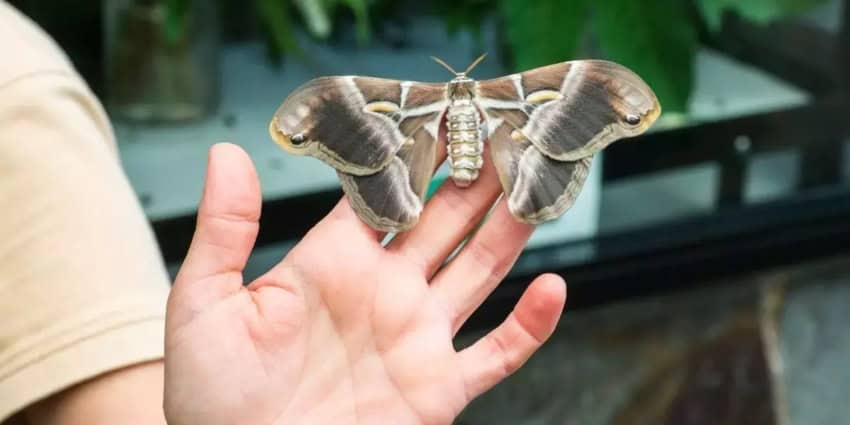
But the Mariposa sanctuary offers something else entirely.
No sand. No cocktails. No loud beach music. Just a quiet little hillside garden where butterflies move through the air.
It’s the kind of place people don’t plan for when they book a trip to Puerto Vallarta. Yet many who stumble upon it end up remembering it long after the beach photos fade into their camera rolls.
Because while beaches are easy to find in coastal Mexico, a living butterfly sanctuary tucked into the jungle hills offers something far less common.
A chance to slow down.
To notice small things.
And to discover that sometimes the most memorable experiences in a place famous for its coastline happen nowhere near the ocean at all.
Charlotte Smith is a writer and journalist based in Mexico. Her work focuses on travel, politics, and community. You can follow along with her travel stories at www.salsaandserendipity.com.