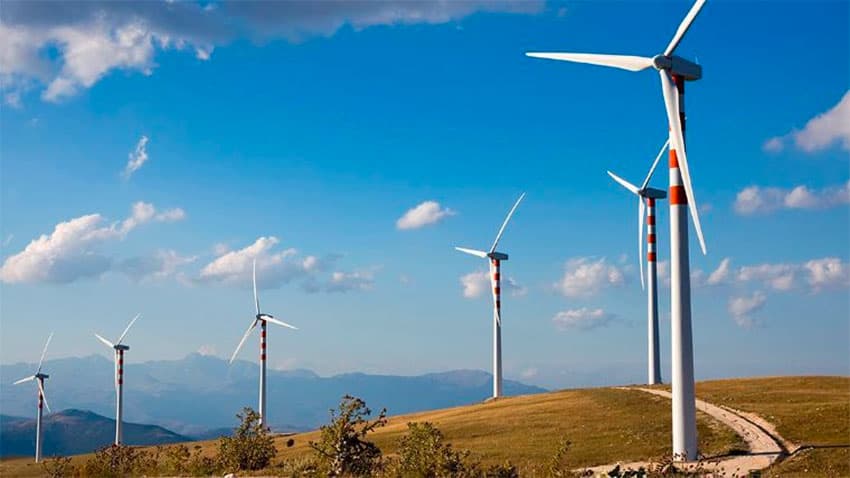
It had always seemed a little too good to be true. When the announcement came in June of 2019 that the Yucatán would play host to its first solar energy facility, the implications were immediately lauded.
At a cost of US $30 million, and capable of producing enough power for 30,000 Yucateco families, the initiative set the Yucatán on course to be the leading Mexican state in the pursuit of clean energy.
But this project was only the spearhead of a more all-encompassing sea change, one that promised 24 clean energy projects for the Yucatán, netting an extra 3,400 megawatts of power for the region. For context, energy output of this level would make it the only state to be entirely self-sufficient, and producing more clean energy than it uses.
Even these 24 pledged projects, projects set to fire the Yucatán to the forefront of the eco age, seemed unable to satisfy the ambitions of policy makers involved.
A myriad of international investors are in direct support of the projects, but multiple Chinese investors in Energía Renovable de la Península, through the necessary transportation of important construction equipment to the region, have marked the beginning of the first regular trade route between Progresso and China. Whichever way this initiative was observed, its merits for the prosperity of the southeast were numerous and undeniable.
Recently, however, the projects that have been promised and praised for the last year have hit a sizable and unexpected roadblock. As is so often the case, the often swampish bureaucracy of central government has slowed the Yucatán’s ambitious reach, with a list of changes only recently made to the clean energy sector.
On May 15, an agreement was published by the Ministry of Energy severely limiting the participation of renewable energy plants in the private sector. The measures, while a major setback for the development of green projects in the Yucatán, were claimed to be an attempt to regulate and safeguard the national electricity system, the future of which seems increasingly unreliable the more progressive initiatives are announced.

The new policy announcement essentially bans all private investment in the development and implementation of electricity generation, prioritizing the fossil fuel plants over new energy initiatives. While official comments from policy makers involved have been few and far between since the new regulations were implemented, the viability of these pioneering projects is threatened, with the majority set to struggle for funding and governmental support over the coming months.
Unfortunately, the new environmental focus that Yucatán Governor Vila Dosal claimed would set the state as a national and international example in the green energy sector looks unlikely to be able to weather the storm.
It’s not even just the hope of an eco-conscious industrial future that stands at risk, but the employment prospects of hundreds of Yucatecos ready to train in the renewable energy industry, and pioneer its future throughout the region. Even those residents in indirect proximity to the projects are set to be left unbalanced should the rug be pulled out from underneath.
Electricity rates can be a pernicious strain on the viability of businesses and families, and the promise of more affordable prices offered from a switch to renewable and sustainable methods would have acted as a life-line to countless people. In total, a possible 12,000 jobs and crucial financial stability for thousands looks set to become history.
To draw a set of rules as to what kind of projects are supported and which are cancelled by the government in the southeast would be nigh on impossible. With the continuation of the Dos Bocas refinery and the unwavering belief in the potential of the Maya Train, the decision as to which initiatives are worth the government’s effort seems arbitrary. What does seem clear is a tenacious disregard for environmental ideas and a prioritization of clearer, economically beneficial projects.
There is no easy fix for this problem, and the frustration of Yucatecos grows with each intervention from outside influences. Too often it seems that lawmakers are inward looking when they need to be looking out, and outward looking when they need to be looking in. The Maya Train has international implications, yes, but arguably threatens the locals at home, and it’s the same dynamic with these new clean energy projects.
The potential of 24 environmental projects reaches far beyond the Yucatán, with the ability to propel Mexico itself into a future we all know is eventually inevitable; sadly, this future will remain illusive as long as the true capability of the Yucatán is overlooked.
Jack Gooderidge writes from Campeche.