Mexicans are back at work, including the esteemed politicians running the country, and this past week has conjured up some rather interesting developments in the energy sector.
It is well known throughout Mexico that the country does not produce enough of its own refined products — gasoline, diesel etc. These are topics I have discussed in previous articles. With six refineries running at an average of 30% capacity, as well as being engineered to produce more heavy fuel, Mexico sits at the beck and call of its northern neighbor, the United States.
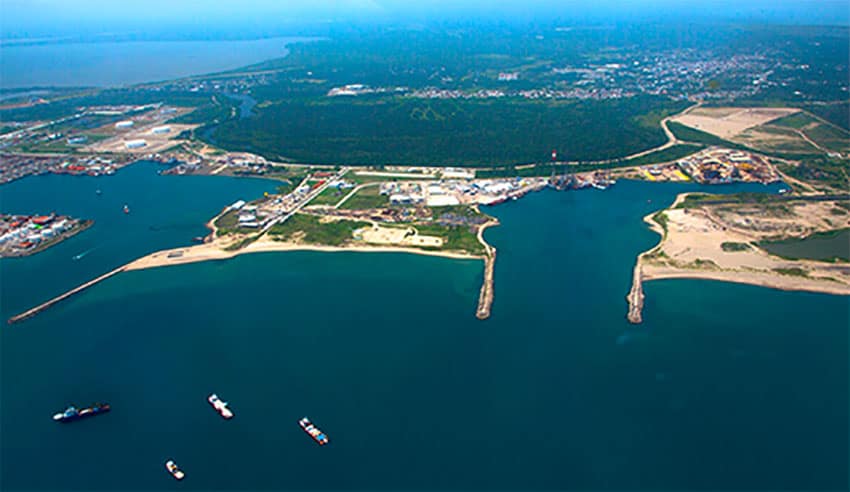
Alas, the Morena government came up with a strategic plan to change the dynamics of refined products production in Mexico by announcing the construction of the Dos Bocas refinery in Obrador’s home state of Tabasco. Initially the government discussed building four new refineries which dwindled to half that number and finally it settled on this one, its flagship energy infrastructure project.
The Dos Bocas refinery will produce more of the gasoline and diesel that the country needs. But the project has been inundated with issues, most of which stem from the government trying to push through the initiation of the project without conducting appropriate due diligence, mostly in regard to environmental impact.
Back in May of last year, UNESCO even raised concerns about the environmental impact of being in a flood zone that could cause problems in the future. But experts, both environmental and financial, have been ignored.
Energy Secretary Rocío Nahle informed the Mexican public last week that the project has already made advanced purchases of “critical equipment” for the 350,000-barrels-per-day refinery. Nahle said that 78 companies from as far as India and Turkey as well as Mexican companies are part of a group of entities supplying equipment to the refinery.
However, Nahle and company have not publicly said exactly which companies have received the aforementioned contracts to supply the equipment or what the award process was, raising doubts among many as to whether the auctions were fair and monitored.

The administration of President López Obrador remains hopeful about the outcome of Dos Bocas but still has not revised the logistics and how it plans to transfer the refined gasoline and diesel from Tabasco to areas of high demand. There is still a huge lack of refined products storage in Mexico – less than three days’ worth, in fact.
That is why on December 6 the Energy Secretariat published an order to amend the public policy on the storage of refined products, lessening the requirements of oil importers to have storage facilities simply because there are so few private storage facilities built.
Meanwhile, the president has finally succumbed to the notion that the natural gas Mexico requires will best be sourced from the United States. But that does not mean he is going to let cross-border pipelines be built seamlessly or without review. At his morning conference last Friday AMLO said the country can and will be self-sufficient in natural gas but it will take time to achieve such an objective, so he plans to continue importing in the short to medium term.
The president slammed previous governments in his morning speech, saying that his predecessors didn’t care about oil and much less gas and there was never a plan in the neoliberal period to be self-sufficient in gas. Instead he claims that they cared more about gas purchase contracts than producing gas, implying that they would gain a slice of the fiscal action.
AMLO concluded by saying that his administration will continue with the importation of gas and will continue to review contracts that he assured would produce savings for Mexico in the region of US $4.5 billion.
In relation to new pipelines being built, AMLO promised that the Tuxpan-Tula gas pipeline will not pass through indigenous lands and that his government will seek, together with the company that is building it, an alternative route to that crossing “sacred hills” in the municipality of Pahuatlán, Puebla.
The president is prepared allow the project to cost significantly more money in order to do this and must discuss the same with the winners of the concession winners, the Canadian outfit TC Energy (TransCanada). The length of the pipeline will be 283 kilometers and will supply gas from southern Texas to the states of Puebla, Hidalgo and Veracruz.
The writer is the founder of Indimex Group, a Mexico City company focused on the procurement, marketing, trading and optimizing of refined petroleum products as well as investing in and operating physical assets for the movement of fuels in Mexico and the United States. His bulletin about developments in the Mexican energy industry appears weekly on Mexico News Daily.