“I never had verifiable evidence of his involvement in illicit activities.”
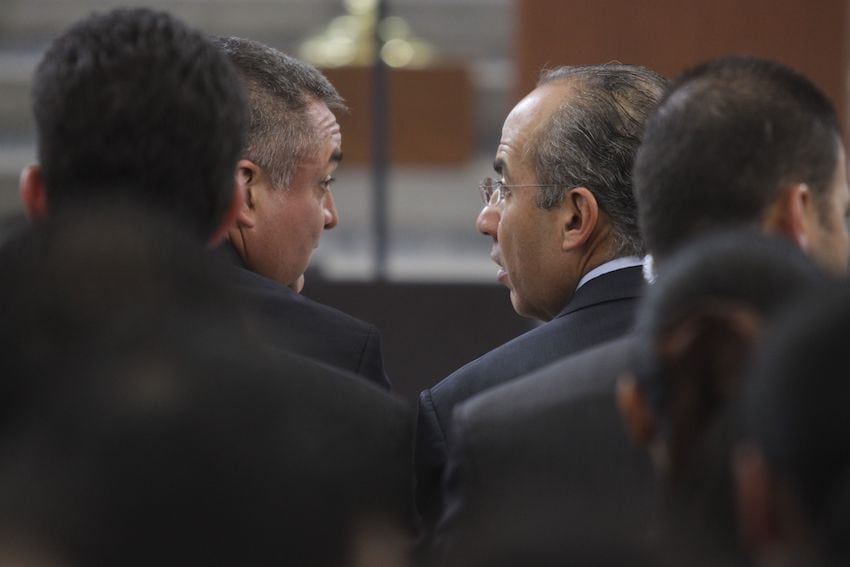
That assertion was part of former President Felipe Calderón’s response to the news that his security minister Genaro García Luna was sentenced to just over 38 years in jail in the United States for colluding with the Sinaloa Cartel on drug trafficking operations.
Shortly after District Judge Brian M. Cogan sentenced García Luna to 460 months’ imprisonment and a US $2 million fine in a hearing in U.S. federal court in Brooklyn, New York, on Wednesday afternoon, Calderón took to X to once again deny knowledge of the ex-security minister’s illegal dealings.
“About the García Luna case, I note: 1) I never had verifiable evidence of his involvement in illicit activities, nor did I receive information to that effect from Mexican or foreign intelligence agencies, which trusted him and interacted with him at the time,” he wrote.
Calderón said that he “hasn’t had access to the evidence and the testimony” presented at García Luna’s trial, but added that he is a “man of the law,” respects court decisions and is in favor of lawbreakers facing consequences for their actions.
The ex-president previously said he had “a lot of doubts” about García Luna’s guilty verdict, which was handed down in February 2023.
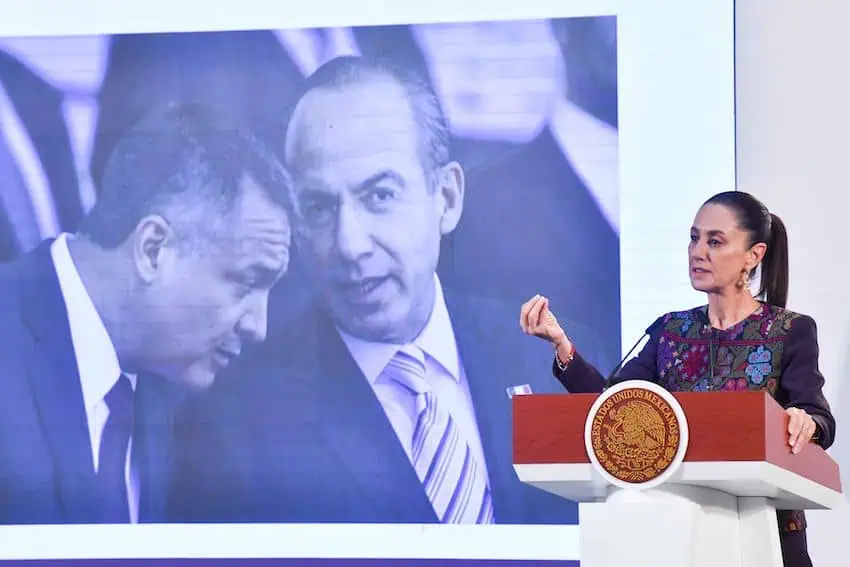
On X on Wednesday, he stressed that “the fight for the security of Mexicans” during his 2006-12 administration “was not the responsibility of just one person but of A WHOLE GOVERNMENT TEAM that combated crime with all the force of the state.”

Calderón, who launched a militarized “war” on drug cartels shortly after he took office, also said that the conviction of García Luna “doesn’t discredit the brave fight of thousands of women and men [who] defended Mexico from its true enemy, organized crime, even at the risk of their own lives.”
Although homicide numbers increased significantly during his term in government, the former National Action Party president largely defended his security strategy.
“Confronting organized crime as president of Mexico was one of the most difficult decisions of my life. But I would do it again because it’s the right thing to do. The true enemy of our country is organized crime, which kidnaps, extorts and kills citizens, especially our young people,” he wrote on X.
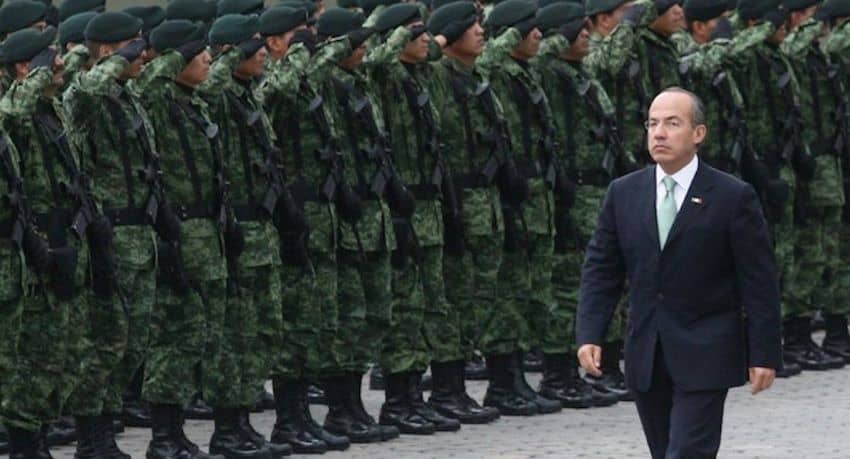
“My security policy had successes and mistakes. We confronted a powerful enemy that seeks to capture the state — in other words, to control territory by force, seize institutions, corrupt officials and divide and intimidate society. Despite all this, in 2012, when I left government, the state was advancing and organized crime was retreating,” Calderón said.
‘I would have liked to have known about the other life” of García Luna
In a radio interview on Thursday, Calderón noted that Judge Cogan, when handing down García Luna’s sentence, remarked that the former security minister lived a “double life.”
“I knew about one of those lives. I would have liked to have known about the other life and in good time,” he said.
“Of course it’s a complex, difficult, sorry situation,” Calderón added. “What has happened pains me a lot.”
Sheinbaum: Calderón ‘should apologize’
At her morning press conference on Thursday, President Claudia Sheinbaum characterized Calderón’s social media publication on Wednesday afternoon as “very cynical.”
“… Did Felipe Calderón know [about García Luna’s illegal conduct] or not? He says he didn’t. I invite you to reflect whether he knew or not,” she said.
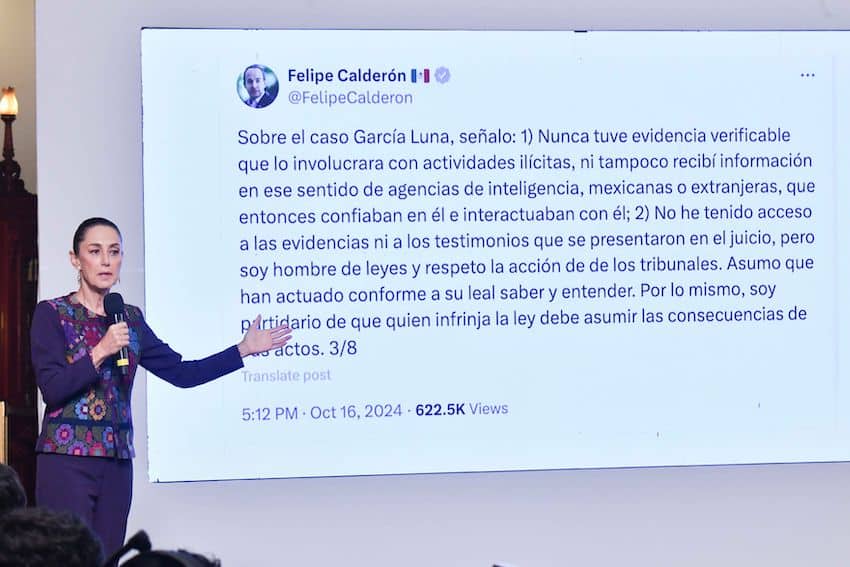
Sheinbaum said that the ex-president “should apologize, at least” for having had a now-convicted and sentenced criminal as his security minister.
She also took aim at Calderón for his declaration that he would adopt the same security strategy if he had his time again.
The president, like her predecessor Andrés Manuel López Obrador, has been a staunch critic of the militarized “war” on cartels launched by the Calderón administration, blaming it for the high levels of violent crime in Mexico in a period spanning almost two decades.
Since taking office on Oct. 2, Sheinbaum has said on repeated occasions that her government won’t pursue the kind of “war” Calderón initiated after he took office in December 2006.
“The first thing, which is very important, is that Calderón’s war against narcos won’t return,” she said last week.
The Sheinbaum administration will, however, continue to use the military for public security tasks as part of a security strategy that largely perpetuates the so-called “hugs, not bullets” approach used by López Obrador.
With reports from El Financiero, Radio Fórmula and Reforma