The Green Party of Mexico (PVEM) has introduced a bill to guarantee the right to adequate clothing, raising it to the level of rights such as health, education and housing. The proposal would create a national clothing donation program designed to reduce waste.
The proposal, championed by Congressman Ricardo Astudillo Suárez, recognizes “decent clothing” as a basic need and an essential component of social well-being, especially for individuals in extreme poverty.
In the bill’s statement of reasons, Astudillo noted that in Mexico, more than 10 million people live in extreme poverty without access to adequate clothing for certain weather conditions, work, school and more. He highlighted that the lack of appropriate clothing violates dignity and limits the exercise of other fundamental rights such as education, health and mobility.
“Dressing with dignity is not a luxury, it is a basic necessity,” Astudillo said in the bill’s announcement. “In Mexico, millions of people face conditions of poverty that prevent them from accessing clothing suitable for the weather, work, school, or daily life,” the document says.
As part of the initiative, Astudillo proposes amending Mexico’s waste management law to create a national network for collecting and redistributing clothing in good condition.
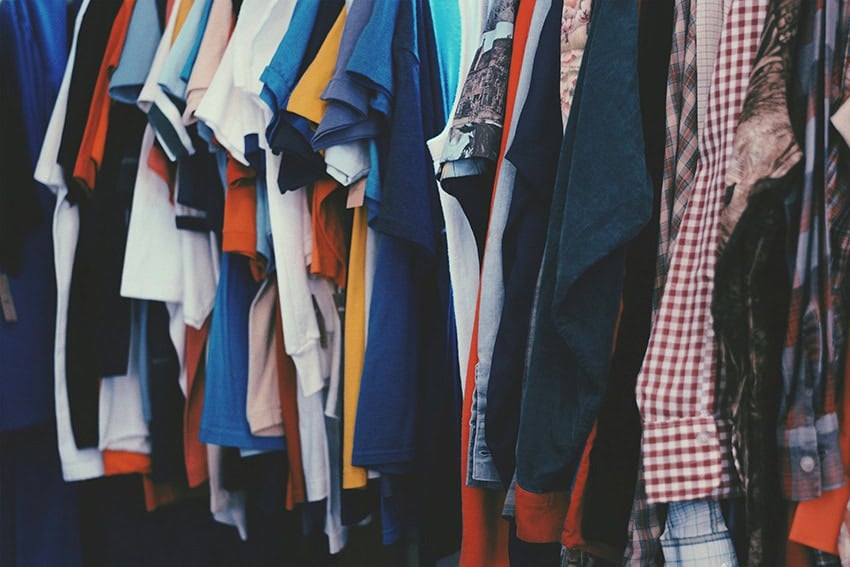
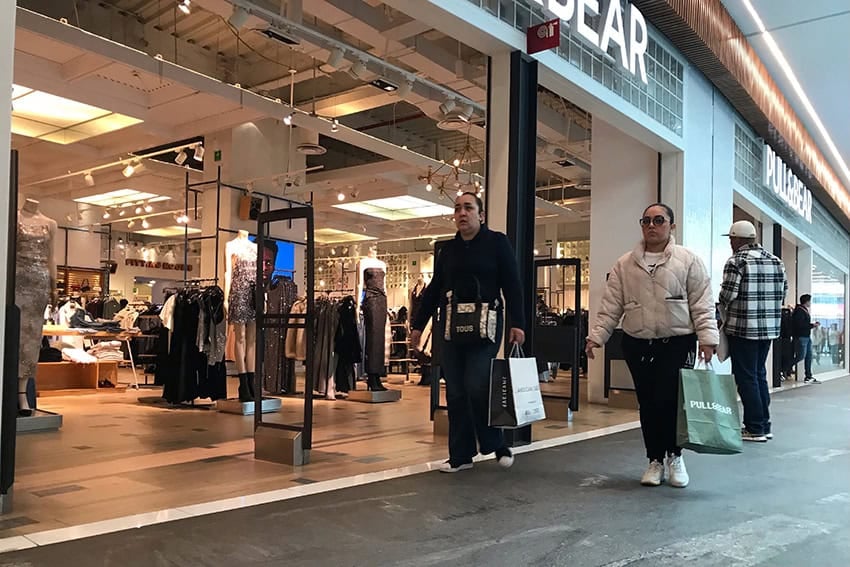
Dubbed the Solidarity Clothing program, this network would address the negative impacts of the fast fashion industry in Mexico, which according to the PVEM, results in approximately 800,000 tons of clothing being discarded annually. Under this program, Astudillo suggests that wasted garments should be recycled or donated to marginalized communities.
The clothing reuse program would require coordination between state and municipal governments, shopping centers, textile companies and civil society organizations. It also establishes that the Environment Ministry (SEDEMA) must outline technical criteria to ensure hygiene and appropriate final destinations for the collected garments, with priority given to individuals living in poverty, in vulnerable situations, or affected by emergencies.

If approved, the bill would add to the previous environmental achievements of the PVEM associated with the fast fashion industry, albeit at a local level. In June, the Commission for the Preservation of the Environment, Climate Change and Ecological Protection of Congress, approved a proposal for Mexico City’s SEDEMA to create programs for collecting used clothing for recycling and reuse.
“This is about promoting cultural and social change,” Astudillo said. “Clothing must cease to be seen as a disposable consumer good and be considered a right linked to human dignity.”
With reports from El Financiero