Biodiverse and rich in natural resources, Latin America seems an obvious climate champion. Its mighty rivers power some of the world’s biggest hydroelectric dams and the Amazon rainforest stores enormous amounts of carbon.
Yet the presidents of the region’s two biggest nations will be absent when world leaders gather for a crucial climate summit in Glasgow next week to try to limit global warming. Neither Jair Bolsonaro of Brazil nor Mexico’s Andrés Manuel López Obrador want to attend — and with good reason.
Deforestation in Brazil surged last year to its highest level in over a decade as Bolsonaro slashed environmental enforcement and encouraged development in the Amazon. In a country with one of the world’s cleanest energy sectors, thanks to abundant hydro power and the widespread use of bioethanol as fuel, deforestation is now its main source of carbon emissions.
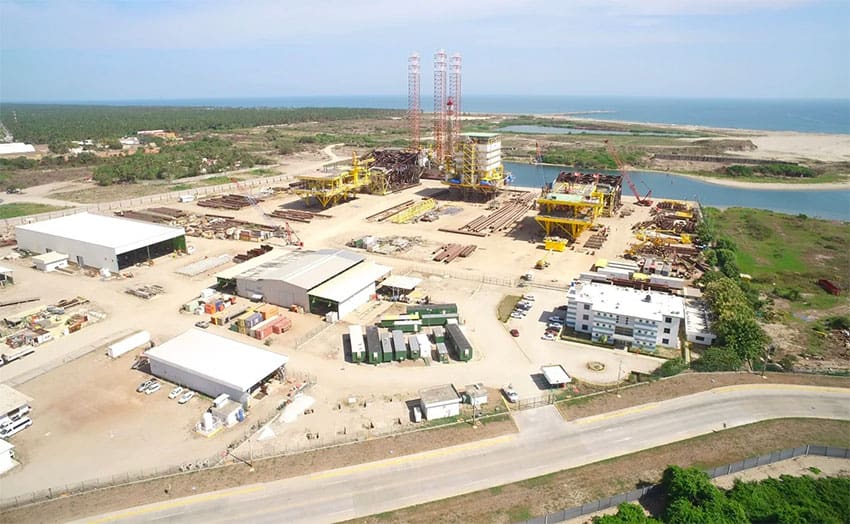
In Mexico, López Obrador has spent billions of dollars building a giant oil refinery and boosting oil production. He now wants to change the constitution to favour state-run electricity generation powered by dirty fossil fuels and choke off a private sector-led renewable energy boom.
“For those two countries, I think definitely things are going in the wrong direction in terms of emissions,” said Lisa Viscidi, a climate expert at the Interamerican Dialogue in Washington. As for Latin America as a whole, “not nearly enough progress has been made” in cutting emissions targets ahead of the Glasgow conference.
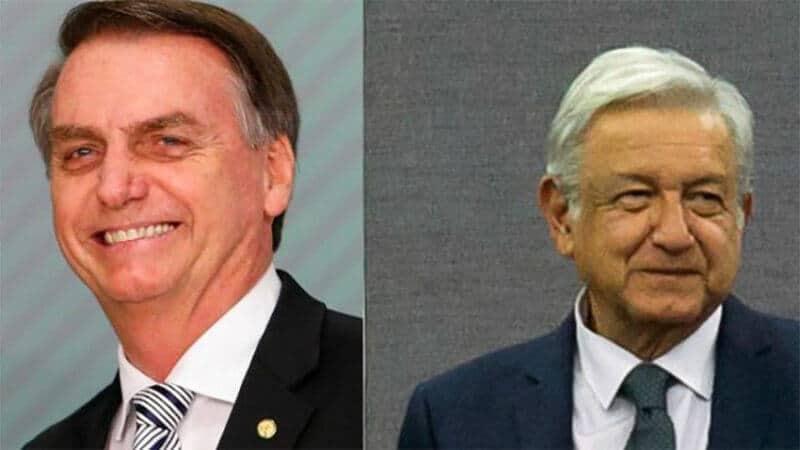
The backsliding by Brazil and Mexico is particularly concerning as both nations had previously followed greener paths. Brazil’s Forest Code remains one of the developing world’s tougher conservation laws (despite a weakening in 2012); Mexico had also promoted big investments in solar and wind power.
Elsewhere in Latin America, many governments remain addicted to ever greater fossil fuel production to power economic development, despite the increasing reluctance of western oil majors to fund new oil and gas projects as their industry seeks a greener future.

Argentina is still touting its giant Vaca Muerta shale deposits, Brazil wants billions of dollars to exploit huge offshore oil reserves, Venezuela’s opposition plans a massive expansion of oil output to fund reconstruction if it ousts Nicolás Maduro, and Ecuador’s new president Guillermo Lasso wants to double oil output.
The news from Latin America is not all gloomy. Climate activism is growing, young people are far more environmentally aware than their parents, and mid-ranking economies such as Chile and Colombia are aggressively pursuing renewable investment and greener economies (although deforestation in Colombia remains worrying).
Chile stands out in particular. Its unusual geography gives it some of the world’s most intense solar heat and most reliably strong winds. It hopes to harness both to become a leading exporter of green hydrogen, if the technology to produce this profitably at scale can be mastered. The government is also moving to shut down coal power plants.
But elsewhere in the region, too many governments are trying to pretend that global warming is a problem to solve tomorrow, while pumping out ever more carbon today.
The evidence that this is a bad idea is multiplying. Fierce droughts are draining Brazil’s hydro dams and damaging its crops. Chile, Paraguay and Argentina are also suffering prolonged periods without rain. More frequent and more potent hurricanes are wreaking havoc in Central America and the Caribbean. Andean glaciers are disappearing.
The conference’s British hosts are putting a brave face on the climate backsliding in a continent that is home to the world’s biggest remaining rainforest. They point to helpful positions from countries like Costa Rica and Colombia, and enthusiasm for greener policies from some of the region’s megacities. Still, as one official said: “I’m not for a second saying that it’s all going in the right direction”.
Bolsonaro and López Obrador’s energy policies should be relics of a bygone era — but are instead proving alarming durable in the 21st century.
© 2021 The Financial Times Ltd. All rights reserved. Please do not copy and paste FT articles and redistribute by email or post to the web.