A needle and thread are pulled carefully through a fabric tortilla warmer, ripped and knotted by the skillful fingers of a local woman of Boquillas, a small Mexican town overlooking the Rio Grande and the site of the nation’s only legal border crossing with the U.S. The embroidery reads No al muro (“No to the wall”), a message started in the first Trump administration.
On March 17, 2026, the Presidio Municipal Development District, a political subdivision of the state of Texas, wrote to a handful of federal agencies — U.S. Customs and Border Protection, Army Corps of Engineers Fort Worth District and International Boundary and Water Commission — expressing concerns and demanding answers about a newly approved state project.
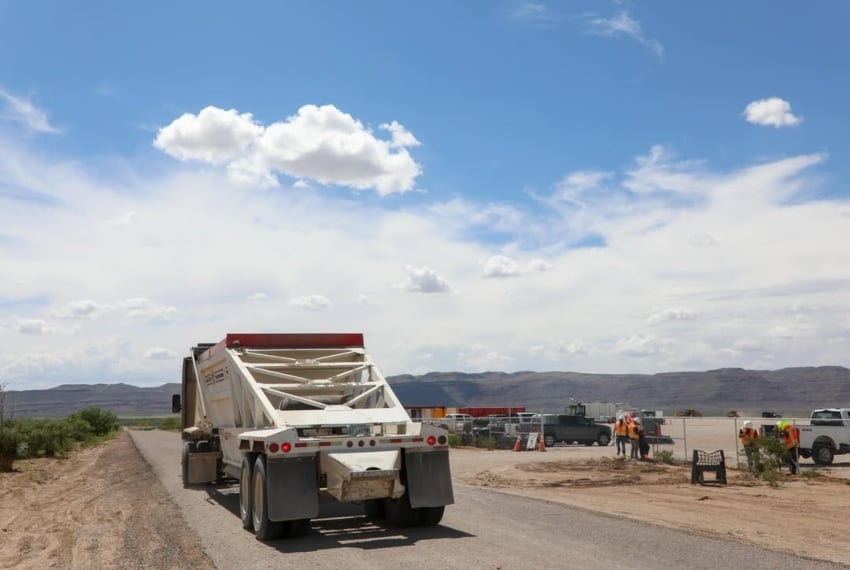
A contractor had called in to some county officials about a new state project. Residents were rightly confused.
It is a well-known fact that President Donald Trump is an avid fan of wall-building, so it brings little surprise but great pain to many that a new barricade is set to sprout out of the rural outcrops of Texas’ Big Bend National Park.
The proposed steel-bollard border wall in Big Bend
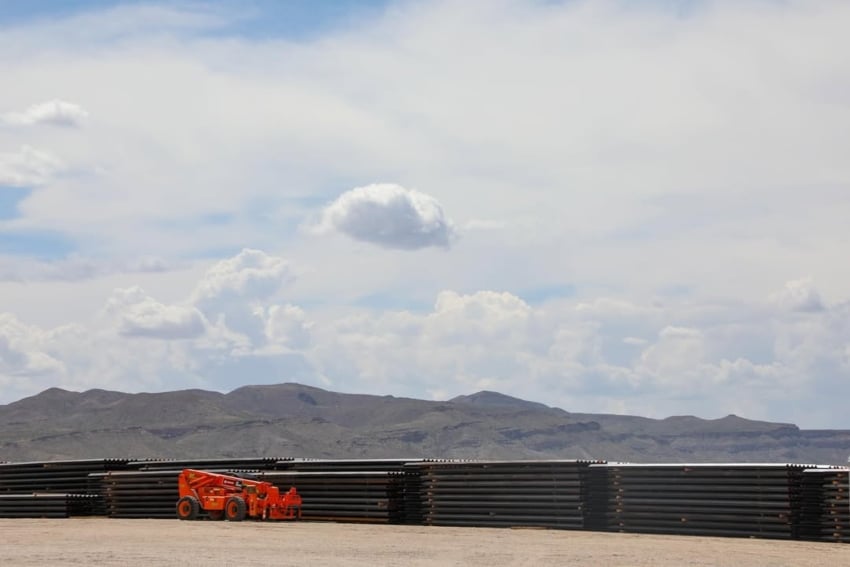
Announced March 5 by the Department of Homeland Security, the US $2.45 billion barrier wall is rumored to be a 30-foot steel-bollard structure, decked out with fiber optic cables, surveillance cameras and the like, and with 12-foot-wide maintenance roads and 24-foot-wide patrol roads.
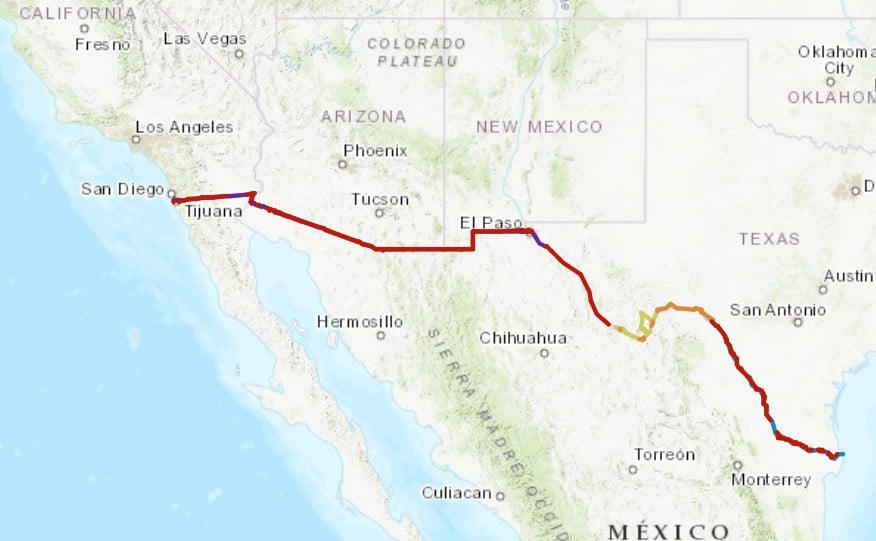
It includes US $960.4 million given to Barnard Construction Co. for the corridor that includes Presidio. It was also reported that Fisher Sand and Gravel, a Trump-allied contractor with a history of environmental violations, would receive a US $1.2 billion contract to build 70 to 80 miles of wall from Presidio County’s Ruidosa to Colorado Canyon.
A lot is at stake for the 4,000 residents of El Presidio, particularly regarding how the proposed border barrier construction will affect the levee, which is the sole protection against flooding in the area and stands at no small cost.

The Presidio Valley Flood Control System, operated by the International Boundary and Water Commission, consists of 15 miles of engineered levee running parallel to the Rio Grande. The system was extensively rebuilt following severe flooding in 2008 that destroyed hundreds of homes and triggered a federal disaster declaration. In the aftermath, the federal government allocated more than US $14 million for recovery, and the levee system now has an estimated replacement value approaching US $100 million.
View this post on Instagram
As a result of blatant neglect from the federal agency, the community is in the dark over what exactly is being built, and when, which poses serious threats to transportation, economic assets and sheer safety.
No communication with affected communities
John Kennedy, executive director of the Presidio Municipal Development District, asserted: “This isn’t about being for or against a border wall (but about) whether the federal government can build major infrastructure in a floodplain, on top of a treaty-mandated levee, without telling the community it’s supposed to protect or the agencies responsible for the infrastructure already there.”
Had a hard engineering assessment been made? Has the U.S. Army Corps given engineering support to the Department of Homeland Security (DHS)? How would the 30-foot bollard barrier affect the integrity of the levee? What about the Presidio-Ojinaga International Rail Crossing? And is there a flood-risk assessment? (The crossing, on the South Orient Rail Line, is one of only eight international crossings in the nation, and was specifically rebuilt in alignment with the new levee after the destruction of the flood almost 20 years prior.)
In addition to questioning whether they could expect any healthy community communication or stakeholder consultation by Customs and Border Protection, these were some of the many questions posed by the Presidio Development District.
How the wall project came about
The DHS approved the wall’s construction in early 2026, signed off by then Secretary Kristi Noem, who called the Big Bend sector “an area of high illegal entry where illegal aliens regularly attempt to enter the United States and smuggle illicit drugs.”
In February, Noem waived the application of 28 environmental and historic protection laws across 175 miles in the Big Bend sector.
Nonprofits such as the Center for Biological Diversity and Friends of the Ruidosa Church have filed lawsuits in El Paso, Texas, against DHS on the basis that its waiving of environmental laws is a violation of the Constitution, specifically a neglect of the major question doctrine, mandating congressional approval for such high-impact projects, and the power legally granted to it by Congress. The Texas Civil Rights Project has filed complaints over the withholding of public records regarding the construction agenda.
Why exactly DHS feels that a new wall is necessary is up for debate. The Big Bend area celebrates a craggy and changeable terrain of mountain ranges, canyons and desert, offering natural inhibitors to cross-border movement. Local sheriffs have reportedly expressed concern over the economic and environmental impacts such a construction could have and say technological surveillance, such as advanced aerial systems, could be more effective in these low-traffic rural areas.
DHS doesn’t seem to think strategically in terms of geographical needs. But the One Big Beautiful Bill Act of July 2026 means there is US $46.5 billion appropriated to border wall construction, so sense seems to have been waived alongside environmental regulations.
What is at stake for people and the environment?
It’s not just residents of El Presidio who have expressed concern. A member of the Center for Biological Diversity likened the project to that of the border wall built in Arizona, which resulted in the destruction of precious natural and cultural sites by federal contractors.
Bipartisan backlash has come in full force, from local businesses, grassroots activists, sheriffs, environmentalists and community members, including the community coalition No Big Bend Wall in West Texas.
Presidio is also home to La Junta de los Ríos: the convergence of the Rio Grande and Rio Conchos. Millennia of Native American history in the soils and riparian environment are threatened by the construction; both the Archaeological and Historical Preservation Act and the Native American Graves Protection and Repatriation Act were among the laws waived by DHS. The El Polvo archaeological site would also be damaged.
Threats to wildlife
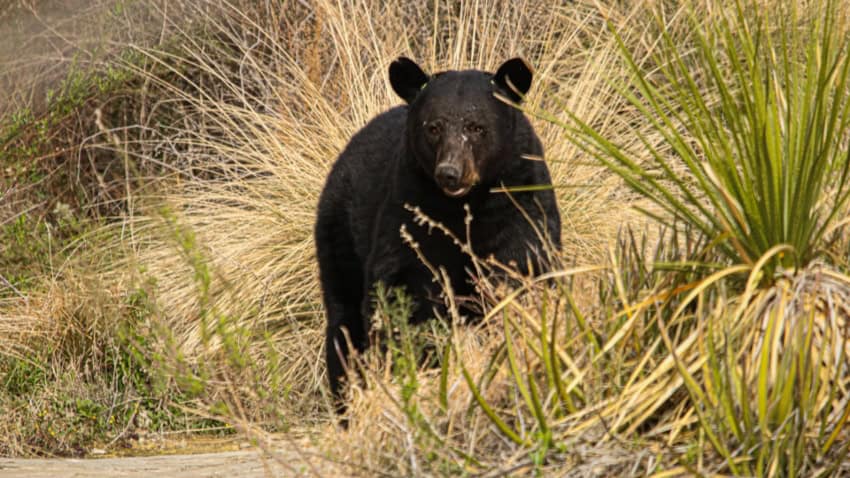
Local wildlife is at risk of being cut off by the wall, including the bobcats and foxes that stalk the scrubs, the many stout javelina that trot by night along the desert floor and the 30 or 40 black bears that have only started recolonizing the area in the last few decades after hunting and habitat loss caused populations to drop significantly. Ecosystems will suffer from mobility loss and building byproducts.
Ranch and tourism-based economies would also be impacted due to the border wall being planned to cut off the river. Ecotourism is particularly critical to the health of the local economy, with more than 561,000 visitors generating US $57 million in 2024, drawn by gushing green-tinted rapids, vast swaths of desert flora and burnt apricot sunsets over the bronzed limestone cliffs. Tour and hiking guides, stable owners and hospitality workers will all be affected.
What happens next?
Representatives from the U.S. Army Corps of Engineers were reported in Presidio County last week for discussion with landowners, many of whom have been handed “Right of Entry for Survey and Site Assessment” documents, but information past that is disquietingly nebulous.
The Presidio Municipal Development District is anxious to find out the planned construction timeline, from land acquisition to physical development, having been given no warning whatsoever. Legal transparency seems to be as clear as the view of the other side of the wall will be, and apparently, landowners who don’t cooperate with U.S. Customs and Border Protection will face harsh penalties by the Department of Justice.
What will go ahead and when is still unconfirmed, but what we do know for now is that Trump’s newest wall is facing fervent bipartisan opposition, offering little benefit to humans and wildlife of the Big Bend alike.
Arguably, this is just a further physical enactment of the Trump administration’s MAGA electoral strategy, which fetishizes exclusivity and celebrates a separation of the “national” and the “immigrant.”
Time will tell if U.S. and Mexican residents will successfully fight back. Until then, “No al muro.”
Millie Deere is a freelance journalist.