Alone among the three co-hosts of the 2026 World Cup, Mexico has granted soccer’s global governing body FIFA a full tax exemption for the 40-day tournament involving 48 national teams.
The U.S. and Canada, the other co-hosts, only agreed to specified tax benefits at the national, state and local levels.
Still nearly seven months out from the inaugural match, which will be held in Mexico City’s Estadio Azteca on June 11, the concession has caused consternation.
As a result of the agreement confirmed by Mexico’s Finance Ministry (SHCP) on Monday, FIFA and any companies it designates will be exempted from paying taxes during the 2026 World Cup matches held in Mexico City, Monterrey and Guadalajara.
The stipulation has its origin in FIFA’s 2026 Revenue Law, which features transitional articles declaring that companies “participating in the organization, development and execution of activities related” to the tournament are exempt from paying taxes.
The SHCP’s proposal “releases all individuals and legal entities” covered by the Revenue Law from tax and administrative burdens.
The loss of potential tax revenue has caused a mild fuss in some corners, but politicians and tax experts have defended the accord as a good business decision.

The criticism comes from the fact that World Cup tourists buying merchandise, drinks or anything else from FIFA partner brands will not be contributing to Mexico’s tax revenues.
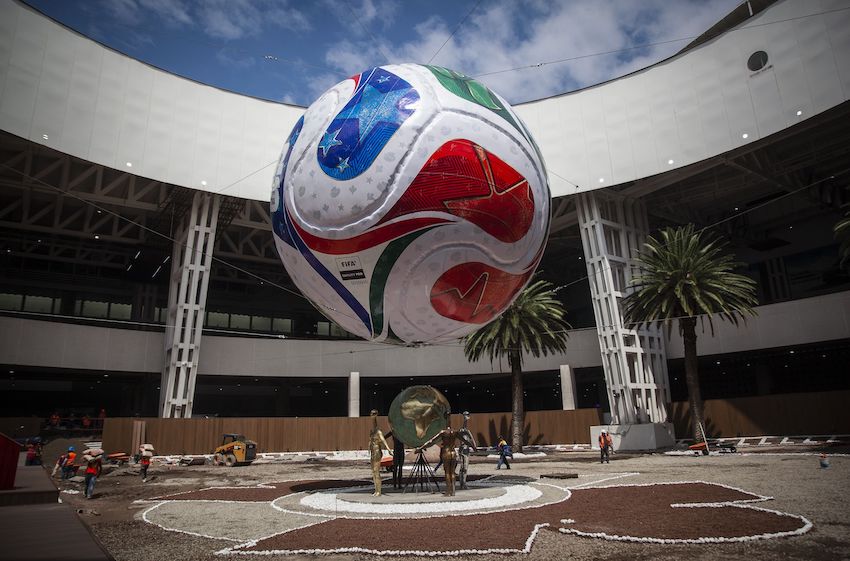
Additionally, host countries typically suffer a financial deficit since they spend more money — investing billions in infrastructure, stadiums and preparation — than they earn, because the direct profits from ticket and marketing rights go to FIFA.
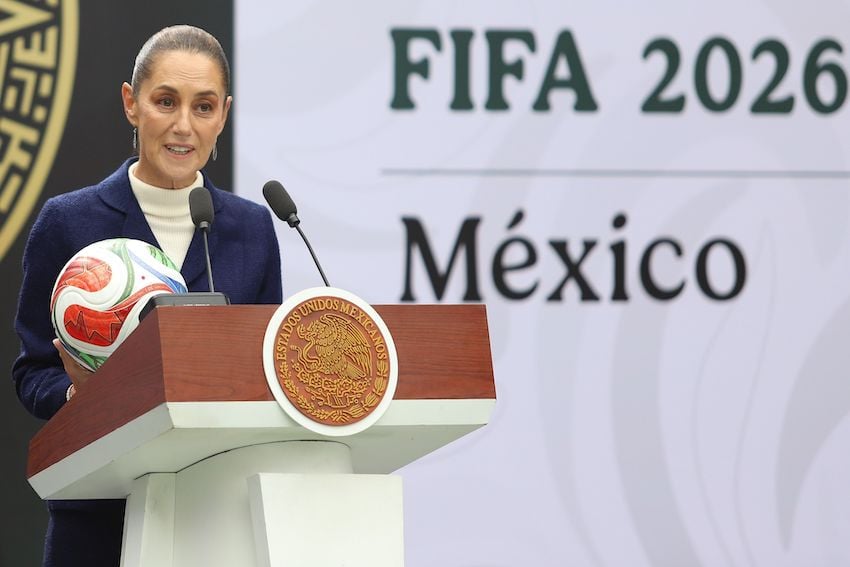
However, Mexican President Claudia Sheinbaum has brushed aside the negative comments, pointing out that her government has worked with FIFA to limit the terms of the 10-year deal that was signed in 2018 during the Enrique Peña Nieto administration.
Sheinbaum said talks with FIFA have sought to avoid a disproportionate fiscal impact and ensure that the benefits are applied only to the activities essential for the organization and celebration of the event.
“The talks with FIFA aim to establish clear limits on the tax benefits originally agreed upon, ensuring that these are applied responsibly and under the direct supervision of the Mexican State,” an SHCP official told ESPN.
Whereas Canada granted customs and tax benefits primarily on the importation of goods and the U.S. forced FIFA to negotiate with each of the 11 venues to obtain tax benefits, Mexico was at a comparative disadvantage, tax attorney Miguel Ángel Rosas told ESPN.
Rosas cited Mexico’s lack of modern infrastructure, saying: “The best way for Mexico to respond in order to host these types of events is to offer tax incentives.”
This approach could benefit Mexico over time, he said, because “this could open doors for other international events to take notice.”
Deputy Claudia Anaya concurred, saying that “connectivity between cities, highway infrastructure, logistics and maintenance of stadiums, airports, all of that” gives Canada and the U.S. a distinct advantage.
“So, yes, sometimes the one who has the least must offer the most in order to [participate],” she said.
In the end, the original agreement — which the SHCP insists will not compromise tax collection or fiscal equity between national and foreign taxpayers — resulted in Mexico being granted the right to host 13 games instead of 10.
It is estimated that 1.5 million people will visit Mexico during the World Cup, with a projected economic impact of approximately US $3 billion.
With reports from ESPN, El País, Debate and El Economista