A dead spider monkey from 1,700 years ago has bolstered theories that there were diplomatic relations between the Maya and the leaders of another pre-Hispanic civilization in Teotihuacán.
Located about 40 kilometers east of Mexico City, Teotihuacán was one of the world’s largest cities between 1 C.E. and 550 C.E. Its metropolis featured pyramids, markets and an estimated 100,000 residents.
But spider monkeys, or monos araña in Spanish, were not endemic to the dry plateau of Teotihuacán.
About 1,000 kilometers away were the Maya, living in a patchwork of cities in the tropical rainforest, where spider monkeys flourished.
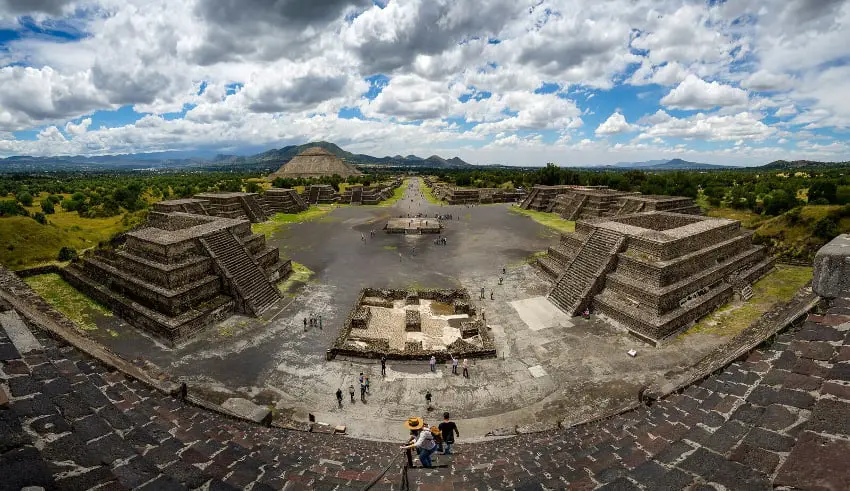
The two empires — as far apart as San Francisco and Phoenix — traded goods and communicated with each other, but this one spider monkey is offering a peek at Mesoamerican geopolitics a century before the two powers clashed, according to reports in the U.S. journal Proceedings of the National Academy of Sciences and Science Magazine this week.
Arguing that Mayan dignitaries brought the monkey to Teotihuacán as a gift, the researchers contend it’s further evidence of friendly relations between Teotihuacán and Maya elites around 300 C.E.
“Amazing stuff,” Barbara Arroyo was quoted as saying in Science. She is an archaeologist and Mesoamerica expert at the Dumbarton Oaks research library in Washington, D.C. “I have been very skeptical sometimes when people talk about these connections between the Maya and Teotihuacán. But in this specific case, it’s so well documented and so well proven that this animal was from the Maya area and was moved and transported [to Teotihuacán].”

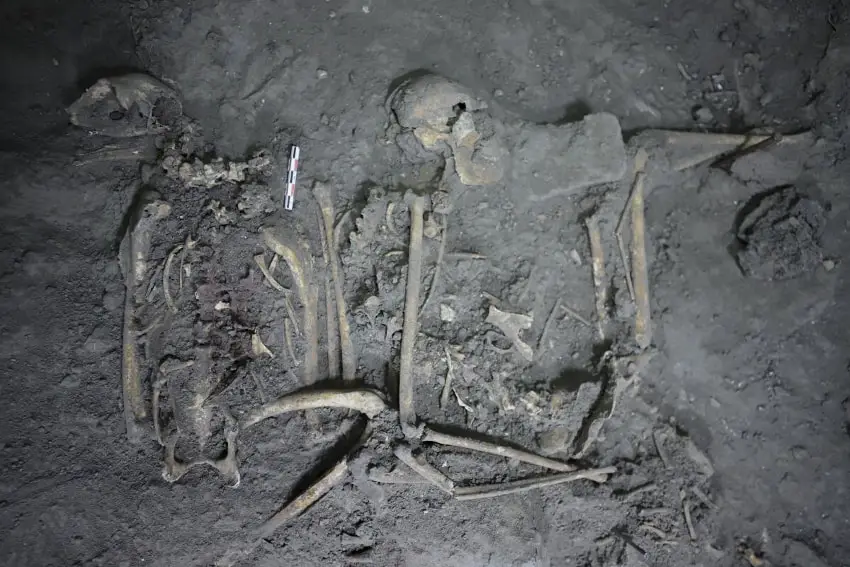
The monkey’s bones and skeletons of other animals were discovered alongside an opulent cache of figurines, jewelry and obsidian knives in the archaeological zone of Teotihuacán. The monkey’s hands and feet were bound, suggesting it was sacrificed, and it was said to have been buried alive.
But how was it determined that the animal was a diplomatic gift from the Maya?
In part by analyzing its teeth and bones. In doing so, according to the report, researchers determined that the female monkey was likely captured around age 3 in a balmy habitat, where she had eaten forest foods such as figs and other wild fruits, nuts, seeds and various parts of plants. She was then moved to a dry environment, where her diet switched to human-grown crops such as maize, chili peppers and arrowroot, the report said.
The report also said researchers found tooth wear suggesting the monkey gnawed on a wooden cage, and that it lived at least two years in captivity before its ritual sacrifice between 250 C.E. and 300 C.E.
Nawa Sugiyama, one of the study’s main researchers, pointed out that it is a “rare find” with great significance because until now there was no evidence of an exchange between these civilizations at that early stage.
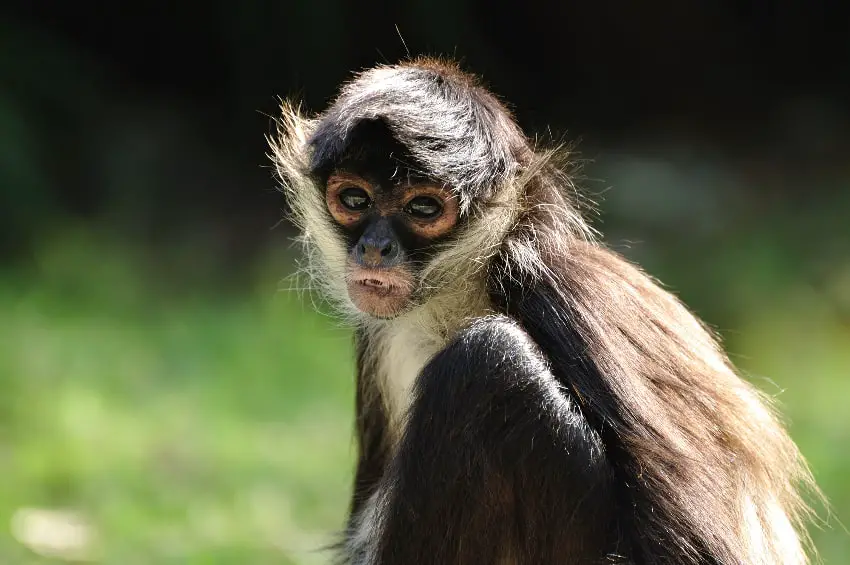
“Spider monkeys do not develop naturally in that place,” said the zooarchaeologist, who has been working in Teotihuacán for more than a decade. “It was [like] nothing I’ve seen before in highland Mexico.”
While there are other explanations on how that monkey could have ended up there — perhaps Teotihuacán warriors who visited Maya cities caught it and brought it back, or perhaps Mayan who owned a monkey were captured as hostages — the researchers feel otherwise. They point to Mayan iconography that was found on the walls near the monkey’s remains, along with non-portable Mayan art and jade ornaments from the Motagua Valley in Guatemala that were there.
Therefore, the research team wrote, “Mayan dignitaries may have been staying [there] at least temporarily.”
“From the amount of Mayan cultural remains and objects and the context in which they were found, we concluded that it was a [diplomatic] gift rather than a commercial exchange,” Sugiyama added.
Science interviewed Ashley Sharpe, an archaeologist with the Smithsonian Tropical Research Institute in Panama who wasn’t involved in the study. “I know this is just one monkey,” she said, “but this is an indication that it seems their early interactions were somewhat peaceful and amicable.”