Mexico’s Grupo Aeroportuario del Pacífico (GAP) — Pacific Airport Group — reiterated on Tuesday that it will make a record investment of 52 billion pesos (US $2.54 billion) over the next five years to modernize and expand its 12 airports in the central and western parts of the country.
The plan, a 20% increase from an initial proposal, is the largest in GAP’s history, the company noted while formally presenting its Master Development Plan for 2025 to 2029.
🏗️✈️En los próximos 5 años, @Aeropuerto_GDL vivirá una transformación sin precedentes:
🔸22 mil millones de pesos en inversión. 🔸Nuevo edificio… pic.twitter.com/XHZ24z5KkX
— Grupo Aeroportuario del Pacífico (@aeropuertosGAP) February 12, 2025
Initially announced last August and already approved by the corresponding federal authorities, the plan calls for a five-year spending total equal to GAP’s entire investments over the previous 20 years, CEO Raúl Revuelta Musalem said.
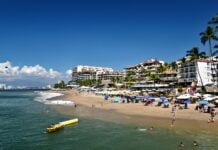
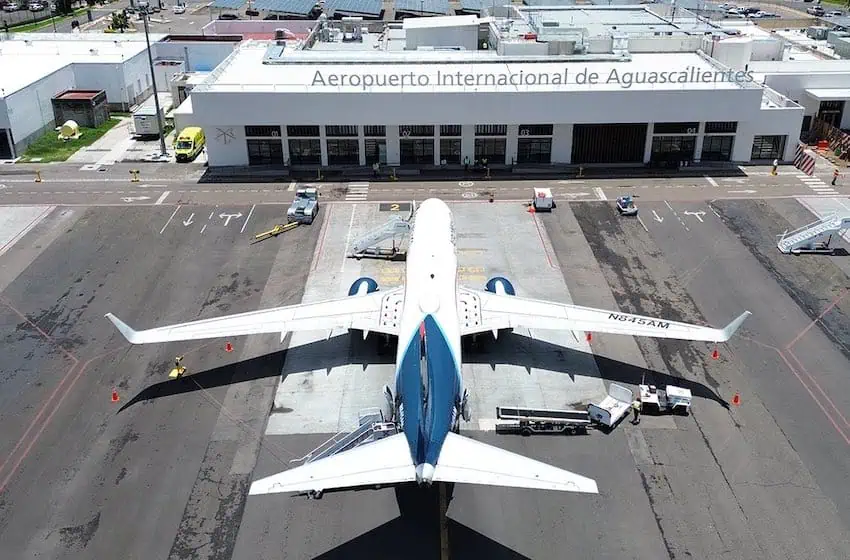
GAP operates airports that serve the metropolitan areas of Guadalajara and Tijuana; the medium-sized cities of Morelia, Hermosillo, Los Mochis, Aguascalientes, León and Mexicali; and the tourist destinations of Puerto Vallarta, La Paz, Los Cabos and Manzanillo.

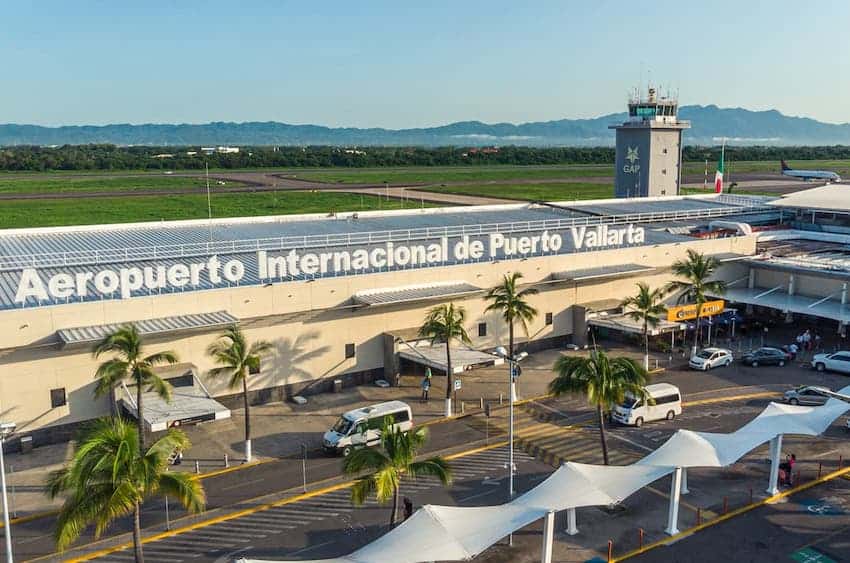
According to reports, nearly 50% of the investment will fund a new 69,000-square-meter terminal at Guadalajara International Airport, with 32% going toward a new 74,000-square-meter terminal at Puerto Vallarta International Airport and expansions at Tijuana and Los Cabos (San José del Cabo).
“The impact of this investment … goes far beyond mobility,” Laura Diez Barroso, chair of the firm’s board of directors, said in a statement. “Airports generate jobs, strengthen economies and facilitate trade with the world.”
According to the company, the Guadalajara terminal expansion will increase infrastructure by 73% and include a new access road; and in Puerto Vallarta, the investment in a new terminal will double the airport’s capacity and will feature an elevated walkway to the main access road to ease traffic.
Tijuana’s terminal will expand by 47%, adding a new boarding area with seven apron positions, while Los Cabos’ Terminal 2 will grow by 32% with improvements to its road system, the company said.
Revuelta called the plan “truly aggressive” and said the capital demonstrates “GAP’s commitment to investing in Mexico” despite “a lot of political noise, particularly with the United States.”
Overall, the upgrades will result in a 50% increase in terminal capacity, a 45% increase in inspection points and a 25% expansion of aircraft platforms, GAP noted.
The company has issued 6 billion pesos (US $293 million) in long-term bonds to finance the plan and expects to seek more funds later this year. GAP’s shares on the New York Stock Exchange rose 9.34% over the past 40 days, closing at US $195.41 on Feb. 11, after starting the year at US $178.10.
Also, GAP confirmed its bid for the Turks and Caicos airport, with a decision expected by the end of the month. The group also operates the Kingston and Montego Bay airports in Jamaica.
With reports from Forbes México and Bloomberg