Mexico is joining the U.N.-sponsored iCOAST project to further its quest for a sustainable, inclusive tourism model with shared prosperity, particularly along the coast.
In a press bulletin, the Tourism Ministry (Sectur) said the goal is to strengthen competitiveness and sustainability in Mexico’s tourism sector, focusing on coastal destinations.
In announcing the move Thursday, Tourism Minister Josefina Rodríguez said these standards can be achieved through the adoption of low-carbon models, the reduction of pollution, the promotion of the circular economy and greater climate resilience, with direct benefits for communities and territories.
The idea is to make it convenient for tourists to choose sustainable options without having to compromise on quality, costs or comfort, especially in regions where biodiversity and economic activity converge.
Rodríguez said iCOAST Mexico will be part of the U.N.’s Global iCOAST program and will be managed nationally by Pronatura Noroeste, in coordination with the federal government.
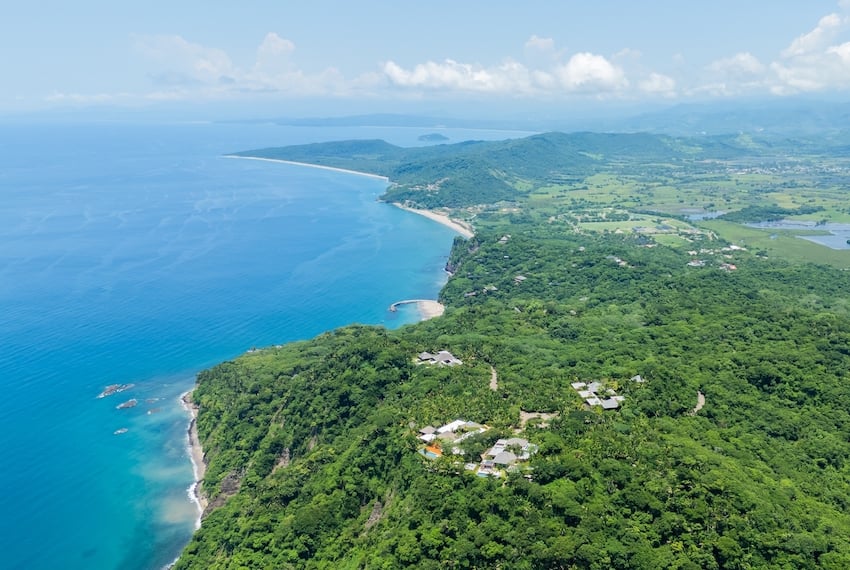
“iCOAST Mexico will focus on the coastal tourist destinations of Baja California, Baja California Sur, Sonora, Sinaloa, Nayarit and Jalisco — regions of high environmental and tourism value that concentrate a significant portion of the sector’s economic activity, as well as the country’s marine and coastal biodiversity,” she said.
In addition to reducing pollution, the goal of the iCOAST program is to reduce the over-consumption of natural resources and reverse tourism’s role in biodiversity loss, while creating equitable livelihoods and jobs for local communities.

The Mexico Travel Channel (MCT) said Sectur’s promotion of the iCOAST project will benefit more than 877,000 people by emphasizing low-carbon tourism and reliance on a circular economy.
“The project integrates a cross-cutting approach to gender equality and social inclusion, ensuring that the wealth generated by tourism is distributed equitably under the principle of shared prosperity,” MCT said.
Rodríguez said iCOAST represents “an opportunity to demonstrate that tourism growth can go hand in hand with protecting our ecosystems, generating green jobs and strengthening local economies.”
The Integrated Collaborative Approaches for Sustainable Tourism (iCOAST) Program is an initiative funded by the Global Environment Facility (GEF), with support from a number of major global agencies. Its stated objective is to drive change in the tourism sector that incentivizes governments, the private sector and local communities to enable sustainable and community-oriented tourism by creating policies and regulations that are supported by financial mechanisms and products.
iCOAST Mexico is currently being reviewed by the GEF Secretariat. Once final authorization is granted, Sectur, the Environment Ministry and the Finance Ministry will coordinate with state governments and the private sector to establish sustainable financing and introduce clean technologies.
With reports from Canal Once, The Mexico Travel Channel and El Sol de México