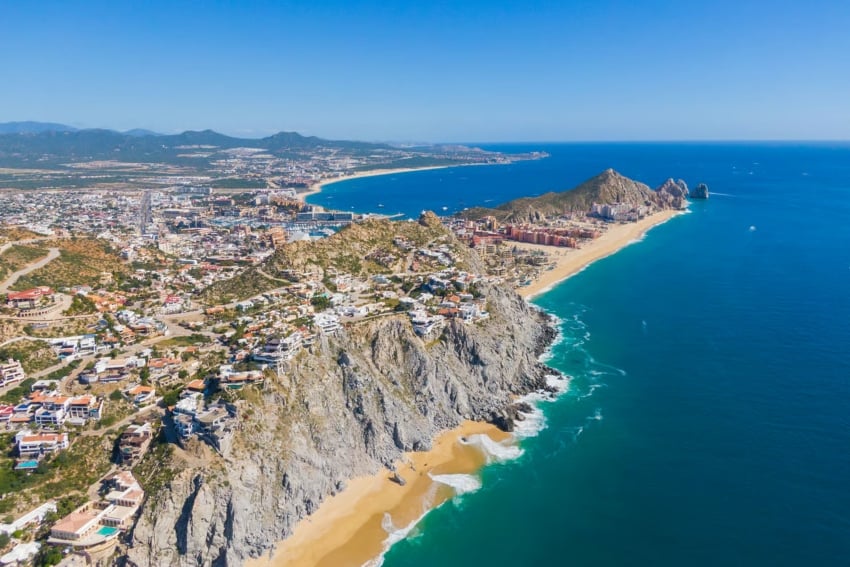
Across 39 days this summer (June 11 – July 19), billions of people around the world will tune in to watch the 2026 FIFA World Cup. Millions more will travel to watch games held around North America, as this year, for the first time, there will be three host countries: the U.S., Canada and Mexico.
Mexico alone is expecting an estimated 5.5 million tourists above average because of the World Cup, according to its Minister of Tourism, Josefina Rodríguez Zamora, and nearly US $3.2 billion in additional revenue. As a result of this influx of tourists and the money it represents, competition is as likely to be as fierce off the pitch as it is on.
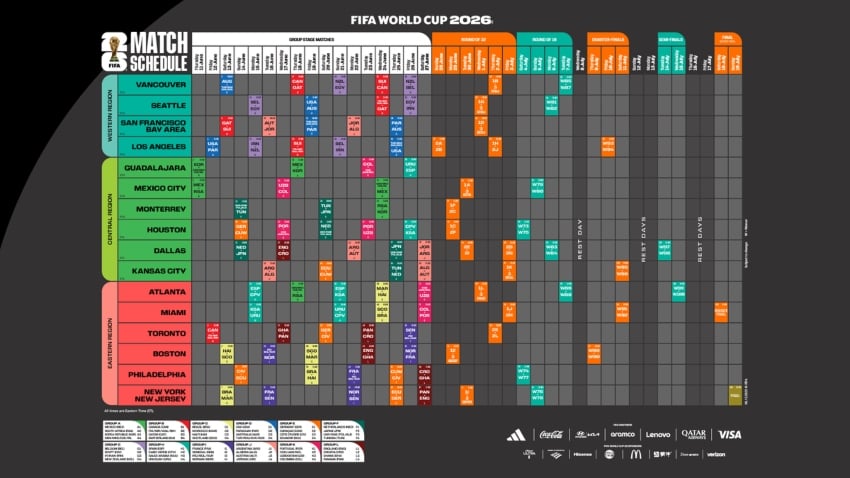
The three cities hosting games in Mexico — Mexico City, Guadalajara and Monterrey — are the most obvious destinations in the country to benefit from the World Cup bounty. Mexico City, for example, is expecting between 1.5 and 2 million World Cup tourists, per the city’s Hotel Association, but with an average length of stay of only 1.8 days.
These short, game-focused stays in host cities may be complemented with so-called “second stop” destinations, where tourists can unwind from the excitement of seeing their national teams succeed or fail on the world’s biggest sporting stage with more traditional vacation getaways.
Los Cabos makes its case
The “second stop” concept is not new. It has traditionally been associated with mega-events such as World’s Fairs, Olympic Games, and yes, World Cups. Iconic coastal destinations in Mexico, such as Cancún, Puerto Vallarta and Los Cabos, are all vying to attract “second stop” tourists and are competing to get them.
Rodrigo Esponda, managing director of the Los Cabos Tourism Board, has repeatedly stressed connectivity as one of the destination’s chief selling points, noting that Los Cabos has direct flights to all the host cities in the U.S., Canada and Mexico — except Miami and Philadelphia.
“Furthermore,” he told Reportur.co in November 2025, “Los Cabos’ business model is more focused on quality. Tourists coming to the World Cup who are looking for a high-quality, luxurious destination with distinctive natural beauty will prefer Los Cabos. During the World Cup, travel agents will be crucial, inviting their clients not only to enjoy the tournament but also to have a quality vacation in Los Cabos.”

The connectivity comparison
Esponda has been tireless in his efforts to expand Los Cabos connectivity around the world. In addition to flights to cities across Mexico, the U.S. and Canada, Los Cabos also has a connection to Europe via its direct flight from Frankfurt, Germany, and to the South American market — from which six national teams have already qualified — through its recent partnership with Copa Airlines in Panama. The destination is also in talks with Emirates and Turkish Airlines to gain a foothold in the Middle East.
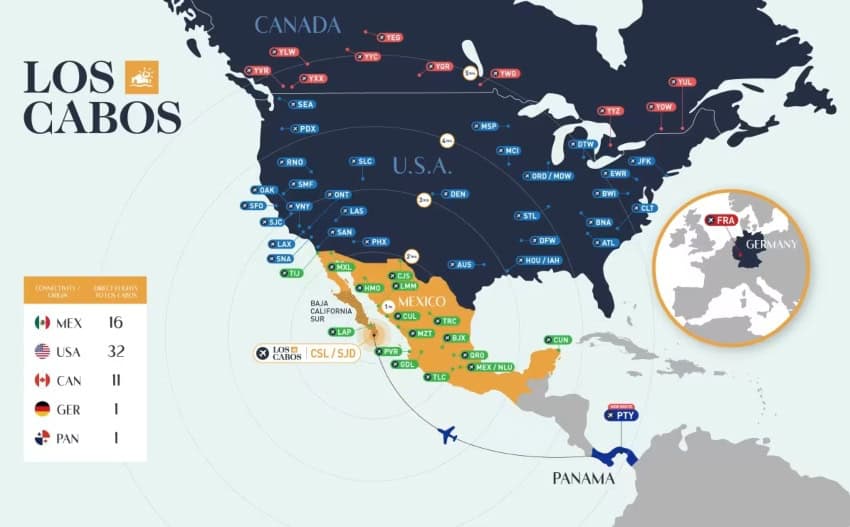
But Los Cabos cannot match Cancún for connectivity — Cancún has direct flights to every World Cup host city and a far larger European imprint — and although Los Cabos does have an advantage over Puerto Vallarta in terms of increased connectivity, its best bets for separating itself from its competition in attracting World Cup tourists considering a “second stop” are likely to be its reputation for luxury and its ability to capitalize on relationships with key markets like Los Angeles.
How Los Cabos distinguishes itself
Puerto Vallarta and Cancún each boast some luxurious accommodations, but over the past decade, Los Cabos has increasingly established itself as Mexico’s luxury leader, with average daily hotel room rates of US $440 across 2025 that were by far the highest in the country. Those prices may put off some budget-minded World Cup tourists, but Esponda is banking that the destination’s commitment to quality will appeal to more upscale travelers.
In addition to capturing the upscale market, Los Cabos is also trying to maximize its historic connections to Los Angeles, a World Cup host city that will host eight games (only Dallas, with nine, will host more). The Los Cabos Tourism Board maintains an office in L.A. and will be working to set up some interesting “first stop–second stop” itineraries based on its strong relationships there.
“Tourists coming to Los Angeles can go to Disneyland and Hollywood, and combine it with a beach trip to Los Cabos,” Esponda points out. “Because we’re also very close, with 10 direct flights. We believe that these kinds of combinations will give us a boost, an additional number of travelers to the destination.”
The Trump factor
Los Cabos, Cancún and Puerto Vallarta could also benefit from anti-Trump sentiment among many World Cup tourists, which may encourage them to visit Canada or Mexico at the expense of the U.S. Bloomberg reported last summer that the U.S. tourism industry was on pace to lose out on over US $12.5 billion in 2025 due to safety concerns and a distaste for Trumpian economic policies (tariffs, notably) on the part of foreign tourists. Travel industry news site Skift noted in December that 46% of international travelers it polled were less likely to visit the U.S. because of its current president.
The slump in U.S.-bound international travel has continued in 2026, and this general trend, along with tougher U.S. immigration policies, will certainly affect World Cup travel plans. In fact, fans of two teams who have qualified for the event are currently banned from traveling to the U.S., those from Haiti and Iran.
What constitutes World Cup success for Los Cabos
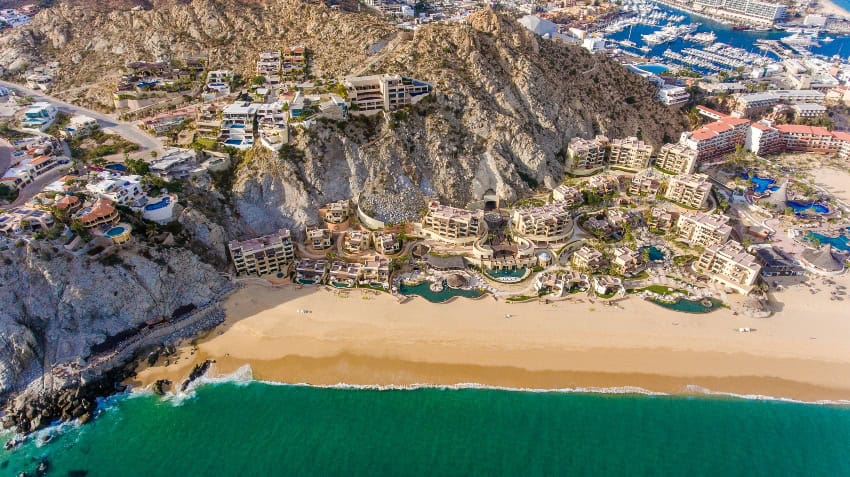
Los Cabos’ World Cup ambitions aren’t extravagant. Esponda is expecting hotel occupancy in the destination to increase from 70% to 75% during the World Cup months of June and July and meeting or surpassing the latter percentage qualifies as success. The goal is essentially to turn two low-season months into what feels a bit more like high-season ones.
Chris Sands is a writer and editor for Mexico News Daily, and the former Cabo San Lucas local expert for the USA Today travel website 10 Best and writer of Fodor’s Los Cabos travel guidebook. He’s a contributor to numerous websites and publications, including The San Diego Union-Tribune, Marriott Bonvoy Traveler, Forbes Travel Guide, Porthole Cruise and Travel, and Cabo Living.