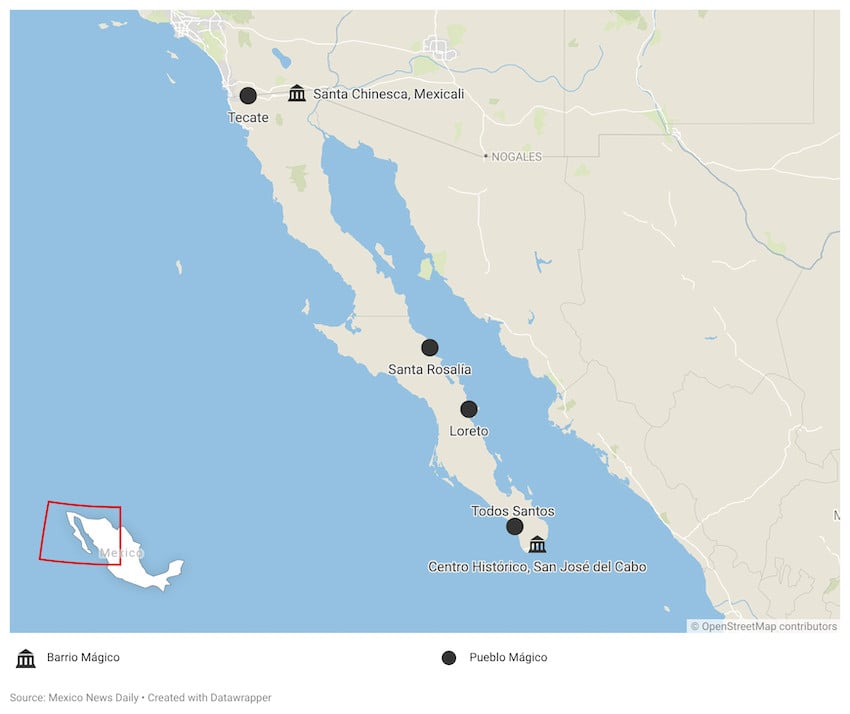
There are many magical places on the Baja California peninsula but only six have been officially designated as such: three in Baja California Sur and one in Baja California as part of the Pueblo Mágico program, launched in 2001 to promote towns in Mexico with a particularly rich history and culture; and one in each state as part of the Barrio Mágico program, founded to showcase the country’s most emblematic urban neighborhoods in 2022.
Todos Santos (Pueblo Mágico, 2006)
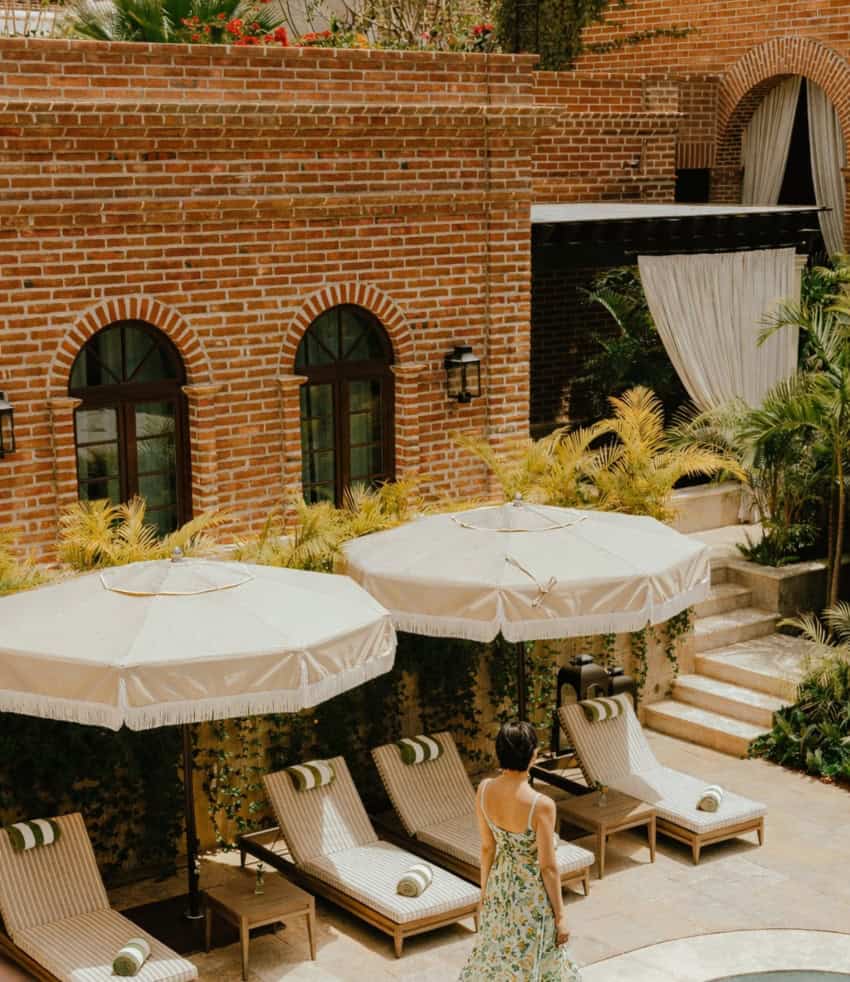
Todos Santos is a town that has led several lives. Originally founded as the site of a Jesuit mission, Santa Rosa de las Palmas, in 1733, Todos Santos emerged after secularization in the 19th century as the peninsula’s sugar capital, with eight mills in operation by 1850. Sugar was what paid for the brick buildings that gave the town its now instantly recognizable architectural character.
However, after a drought in the 1950s lowered the water table, Todos Santos, home to a fertile oasis of lush palm groves and sugarcane fields, saw its fortunes reversed, with sugar mills shuttered and its traditional identity lost. A renaissance wouldn’t occur until the mid-1980s, when expatriate artists fell in love with the quality of light in Todos Santos and gave a boost to the town’s nascent tourism industry (A popular day trip destination from Cabo San Lucas — only an hour distant by car — it now draws half a million visitors annually).
The combination of art galleries and surfer chic gives Todos Santos its unique vibe — great surfing can be found nearby beaches like Cerritos, San Pedrito and La Pastora — but the town is also notable for its superb dining scene and many charming boutique hotels. It was a natural selection as the peninsula’s first Pueblo Mágico, and one of the original 32 named in Mexico.
Loreto (Pueblo Mágico, 2012)
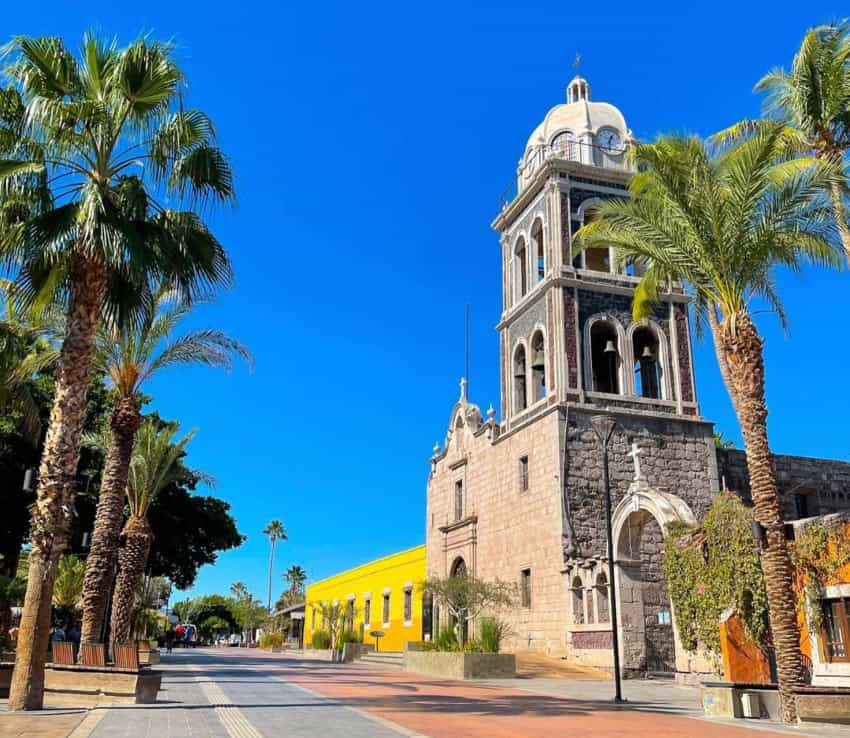
Loreto was the site of the first permanent peninsular mission, founded in 1697 by Jesuit padre Juan María de Salvatierra, and became the center of subsequent mission building, as well as the capital of California until 1777, and of Baja California until 1829. Simply put, there is no town on the peninsula with a longer or more esteemed history.
That includes the Indigenous inhabitants — most notably Cochimí and Guaycuara — whose own history in the area dates back thousands of years. In fact, one of the premier cultural attractions of Loreto, besides the mission museum, is the great rock art sites inland in the Sierre de la Giganta, which are part of the “great mural” tradition. The town of Loreto itself, with its seaside malecón and emblematic seafood delicacy, almejas chocolatas (chocolate clams, named not for their flavor but the color of their shells), is likewise a must-visit, as are the offshore islands, since designated as a national park and UNESCO World Heritage Site.

Spring is the best time to see the area’s most famous seasonal visitors, blue whales — the largest creatures ever to exist on Earth — but destination golfers can tee it up anytime of year at TPC Danzante Bay, with its spectacular cliffside holes and magnificent vistas.
Tecate (Pueblo Mágico, 2012)
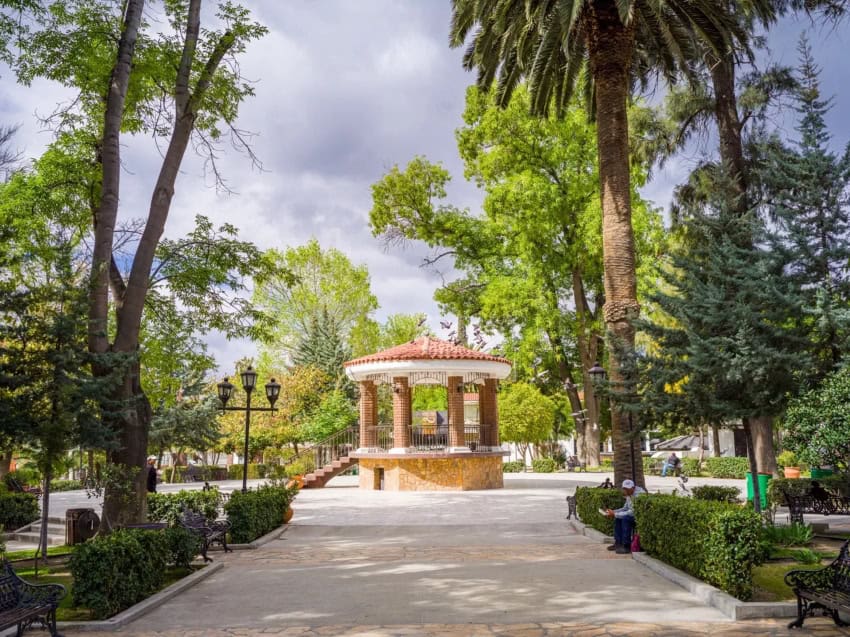
As of 2026, there are 177 designated Pueblos Mágicos, with Baja California and Colima being the only states in Mexico to have only one. Tecate, designated in 2012, is certainly a standout, however. Although the history of the Indigenous Kumeyaay dates back thousands of years, Tecate was founded only in the late 19th century, with many of the most noteworthy buildings, like the Streamline Moderne-style Hotel Tecate, lining the picturesque Parque Miguel Hidalgo, a few blocks from the U.S. border.
Tecate was a traditional stop on the San Diego and Arizona Railway, built in the early 20th century by John D. Spreckels, which, because of the difficulty of the terrain — the origin of its nickname, the “Impossible Railroad” — dipped down into Mexico for 44 miles between Tecate and Tijuana. The historic prairie-style depot remains an attraction in Tecate, as does the Tecate brewery, which dates to 1944, the year operations began at Cervecería Tecate under the auspices of founder Alberto V. Aldrete.
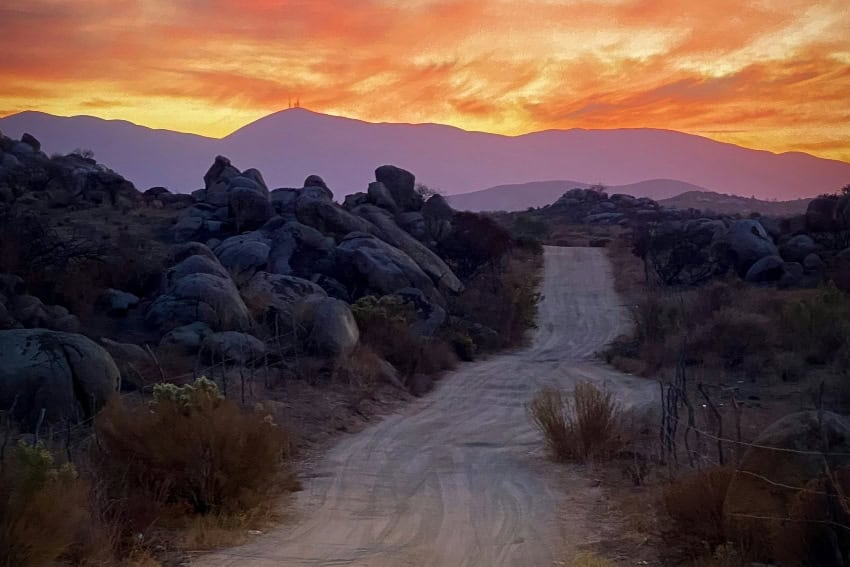
Since 1940, one of the most popular attractions has also been the pioneering wellness resort, Rancho La Puerta, founded by Romanian philosopher Edmond Szekely and his wife Deborah and set on 4,000 acres with over 40 miles worth of hiking trails near the base of Mount Kuchamaa (Tecate Peak), a sacred place for the Indigenous Kumeyaay.
Santa Rosalía (Pueblo Mágico, 2023)
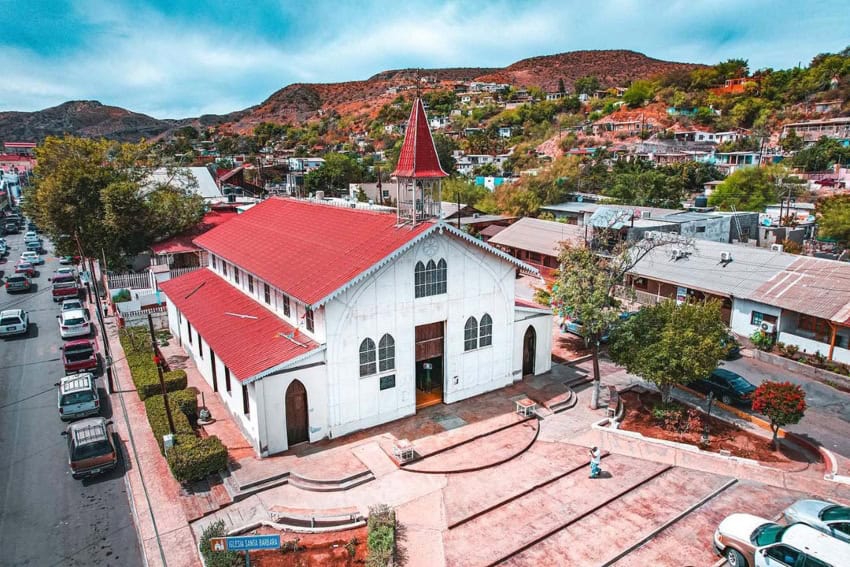
Located a little over 60 kilometers north of Mulegé, Santa Rosalía came to prominence as a mining capital, with its House of Rothschild-owned copper mine, Compagnie du Boleo, in operation from 1885 until the 1950s. During the 1890s, the mine produced more copper than any other in Mexico, at its peak accounting for about half of all national production. It was also, it must be noted, a major regional employer. When what is today Los Cabos experienced severe droughts during the last five years of the 19th century, nearly 10% of the population is said to have left to work in Santa Rosalía’s copper mines.
The French investors brought railway cars and lumber as they built out the town, which still retains its European influences, as well as those from Indigenous residents. Many of the miners, for example, were imported Yaqui peoples, whose legacy is recalled in the El Boleo Mining Museum, as well as in a yearly Easter festival featuring Indigenous elements like traditional dances and mask burning rituals.
French-style pastries from the El Boleo Bakery remain a delicious part of Santa Rosalia’s culinary culture. Nowadays, however, the town’s signature dish is a more typically Baja-inspired seafood treat: almohaditas, or “little pillows” of foil-wrapped yellowtail. The Hotel Francés, meanwhile, is the preferred lodging of choice. Built during the 19th century to house visiting French engineers, its broad balconies hark back to an earlier era.
La Chinesca, Mexicali (Barrio Mágico, 2023)
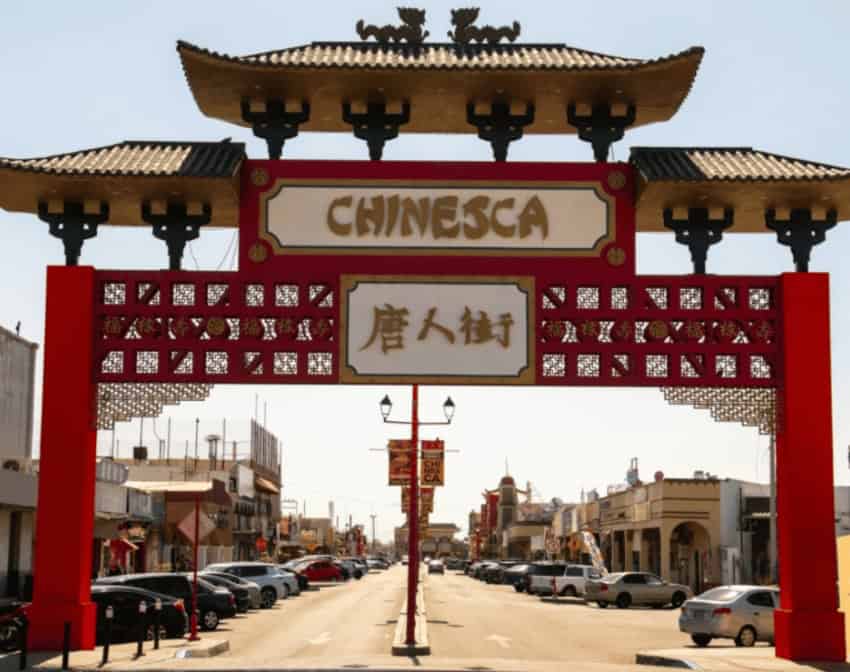
The oldest “Chinatown” in Mexico, La Chinesca in Mexicali, dates back to the early 20th century founding of the town, with Chinese residents initially outnumbering Mexicans 3:1 following the passing of the Chinese Exclusion Act in the U.S. There are still an estimated 20,000 people of Chinese descent living in the city.
The legendary underground tunnels — once home to opium and gambling dens — were built by the 1920s and continue to be a popular tourist attraction, as does Mexicali’s unique fusion cuisine. Today, Mexicali is thought to boast more than 300 Chinese restaurants, many of which have merged traditional wok-cooking methods with Mexican ingredients, birthing local specialties like “rice tamales.”
La Chinesca has been a Barrio Mágico since 2023, one of more than 30 in the country.
Centro Histórico, San José del Cabo (Barrio Mágico, 2024)
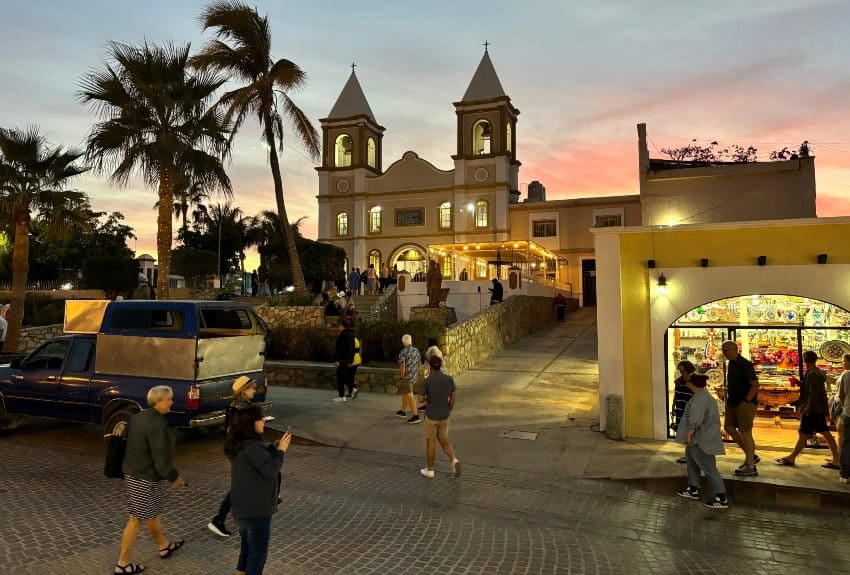
For the last 20 years, weekly Thursday night Art Walks have showcased the cobblestone streets of San José del Cabo’s historic Gallery District, as well as its larger Centro Histórico neighborhood, from the broad city center, Plaza Mijares — named for a martyred hero of the Mexican-American War battle that took place in the city — to City Hall, with its historic early 20th century clock tower and interior murals, and the old Catholic church, Parroquia San José, which was rebuilt after a hurricane in 1918, with a tile mosaic above the entrance that remembers the killing of Jesuit padre Nicolás Tamaral by Indigenous Pericú in 1734.
Art Walk evenings remain the best time to enjoy this extraordinary neighborhood and newly designated Barrio Mágico, but the truth is that the neighborhood is an enjoyable stroll any time of day. Although the creation of the Los Cabos municipality is rather recent (1981), San José del Cabo is one of the most historic destinations on the peninsula, dating back to the founding of the mission in 1730, Estero de las Palmas de San José del Cabo Añuití, and of the town 100 years later.
Chris Sands is a writer and editor for Mexico News Daily, and the former Cabo San Lucas local expert for the USA Today travel website 10 Best and writer of Fodor’s Los Cabos travel guidebook. He has also contributed to numerous other websites and publications, including The San Diego Union-Tribune, Marriott Bonvoy Traveler, Forbes Travel Guide, Porthole Cruise and Travel, and Cabo Living.