The United States Consulate General in Monterrey has issued a security alert warning of the risk of armed robberies on Federal Highway 85D within the state of Nuevo León.
Issued on Wednesday, the security alert states that “the U.S. Consulate General Monterrey is aware of several recent robberies on highway 85D within Nuevo León, in which cars were forced to the side of the road and robbed by armed groups.”
Monterrey, Mexico: The U.S. Consulate General Monterrey is aware of several recent robberies on highway 85D within Nuevo Leon, in which cars were forced to the side of the road and robbed by armed groups. Victims have described being “pulled over” by a vehicle with flashing… pic.twitter.com/pr9Av1kHWp
— Travel – State Dept (@TravelGov) November 26, 2025
“Victims have described being ‘pulled over’ by a vehicle with flashing lights, giving the appearance of an authorized traffic stop until assailants emerged from the vehicle. Local media has also reported on a perceived increase in criminal activity along this highway,” the Consulate wrote.
“Local authorities have indicated that these armed groups appear to be targeting vehicles with out-of-state and foreign license plates,” it added.
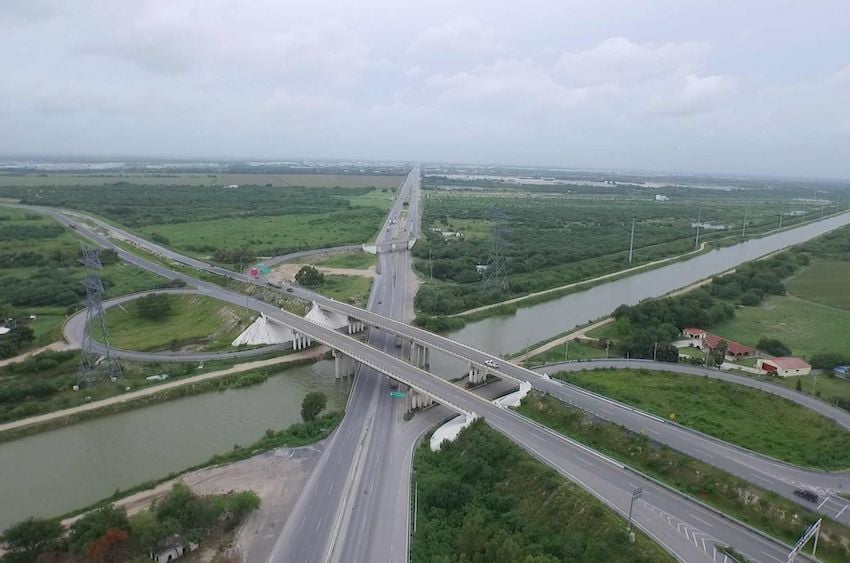
Highway 85D runs between Monterrey, the capital of Nuevo León, and the border city of Nuevo Laredo, Tamaulipas, located opposite Laredo, Texas.

In its alert, the U.S. Consulate in Monterrey noted that “U.S. Government employees in Mexico are limited to travel between cities only during daylight hours.”
“Notably, recent robberies along highway 85D reportedly occurred during mid-morning hours, highlighting the need to maintain heightened awareness while traveling on this route at any time of day,” it said.
The U.S. Consulate in Monterrey previously issued a security alert in June after it became aware of “disappearances on the highway between Monterrey and Reynosa.”
“The Secretary of Security of Reynosa has issued a warning to avoid traveling on the Monterrey-Reynosa highway at night,” the June 20 alert stated, noting that the risks were especially high in the section between Cadereyta and Los Ramones, adjoining municipalities in Nuevo León.
Recommendations for motorists
The latest security alert included nine recommendations, or “actions to take,” for people traveling on Federal Highway 85D, and on other roads in Mexico.
They are:
- Stay alert, do not make unnecessary stops.
- Plan travel during daylight hours, but remain vigilant at all times.
- Limit unnecessary travel along this route, and avoid traveling with large amounts of cash or valuables like jewelry.
- Monitor local media for updates.
- Keep your loved ones informed about your travel plans and progress as you travel.
- Travel with a charged and functional cell phone capable of making calls in Mexico.
- Use toll (“cuota“) roads rather than the less secure free (“libre“) roads whenever possible.
- Travelers encountering police or security checkpoints should comply with instructions. Fleeing or ignoring instructions can lead to you being hurt or killed.
- Dial 911 for emergency assistance.
Nuevo León is one of 17 Mexican states where the U.S. Department of State advises U.S. citizens to “exercise increased caution.”
“There is a risk of violence in the state from terrorist groups, cartels, gangs and criminal organizations,” the State Department says in its travel advisory for Mexico.
The neighboring state of Tamaulipas, where highway 85D ends in Nuevo Laredo, is one of six “Do not travel” states, along with Colima, Guerrero, Michoacán, Sinaloa and Zacatecas.
“Criminal groups target public and private buses, as well as cars traveling through Tamaulipas. Criminals often kidnap passengers for ransom,” the State Department says in its advisory.
Mexico News Daily