Uber, the longtime nemesis of Mexico’s licensed cabbies, is now their partner — at least on paper.
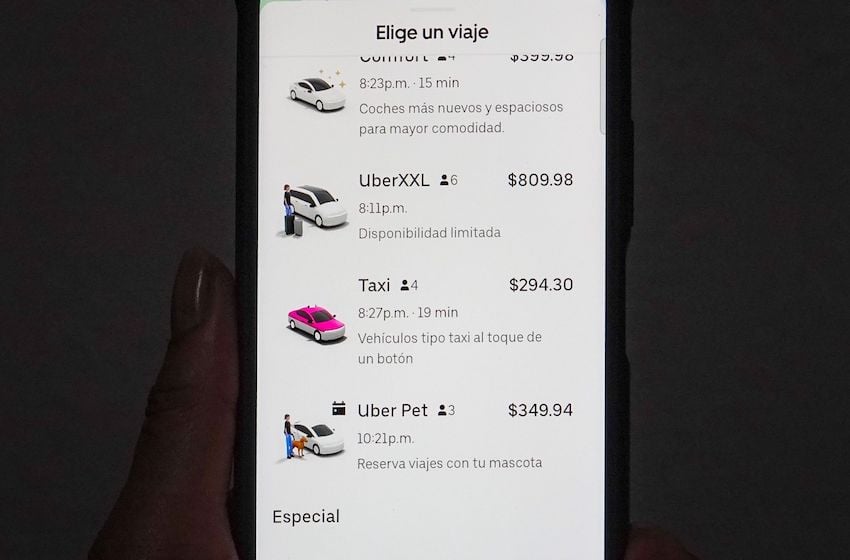
Thirteen years after launching in Mexico, Uber announced Tuesday what both sides called a “historic” alliance with MX Taxi that will let users request licensed cabs inside the app via a new taxi option, with destinations ordered in advance and fares pre-calculated.
Morales/Cuartoscuro)
The price will be based on what a normal taximeter would charge using government‑approved taxi rates, not Uber’s own fare structure. There also won’t be any dynamic pricing, such as fares based on supply and demand or time of day.
MX Taxi taxistas won’t operate as Uber drivers, but their cars will now use Uber-style safety features such as insurance, 24/7 support and RideCheck. Credit card payment can be made within the app, although in some cases, cash will be accepted if preferred.
The deal is being called national, but the rollout will effectively be city by city, not an instant switch everywhere, according to those involved.
Initial implementation is centered on big markets — especially the World Cup host areas of Mexico City, Guadalajara and Monterrey. Uber’s taxi option is already available in CDMX, with about 3,000 to 3,500 cabs participating in the pilot phase, out of a total of some 45,000 licensed cabs in the capital.
The deal comes less than three months before Mexico co‑hosts the 2026 World Cup and as authorities brace for millions of extra taxi and Uber rides.

Uber has already launched Uber Shuttle in Mexico City, a system of vans/buses with fixed routes and schedules at lower prices than its traditional services.
CDMX Secreta has issued a primer on how to hail a taxi in Mexico City using the Uber app.
MX Taxi is a Mexico City–anchored association of licensed, concession-holding taxi drivers; it is present around the country though not necessarily in every city.
With the deal, MX Taxi will plug into Uber’s massive pool of riders but keep its own brand, tech and dispatch systems.
Uber general manager Félix Olmo said the alliance responds to “demand in Mexico, whether local or from tourists, and the demand that is coming with the World Cup, which exceeds the possible number of drivers that exist.”
Spokesman Erasto Vázquez called it a “new era” for a union that lost an estimated 60% of its street presence after Uber’s 2013 arrival and saw active cabs fall from roughly 100,000 to 45,000.
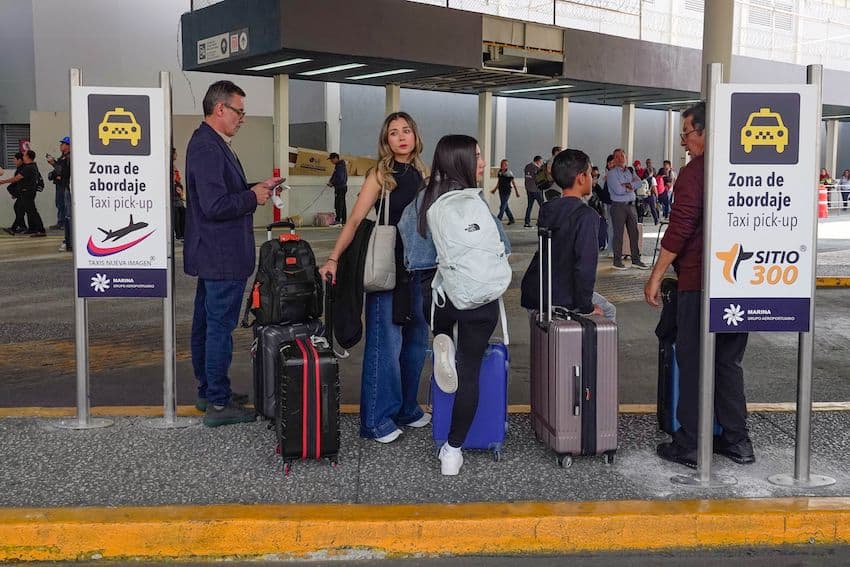
The truce does not resolve the most explosive battleground: Mexico City International Airport (AICM).
Uber maintains that a disputed court injunction allows it to keep operating at airports under “legal protection,” but the Navy‑run AICM and the federal Transport Ministry insist that app‑based services are not authorized inside the federal zone and have used the National Guard to push them out.
In recent days, however, AICM has started setting up a designated waiting and pickup zone for Uber and DiDi vehicles, located approximately eight minutes on foot between terminals 1 and 2.
With reports from Expansión, El Economista and Mexico Business News